Find Treatment By
Rehabs by Location


Learn
About Us
Recovery.com combines independent research with expert guidance on addiction and mental health treatment. Our mission is to help everyone find the best path to recovery through the most comprehensive, helpful network of treatment providers worldwide.
Advisory Council
Our advisory council brings together leaders in behavioral health, technology, and business. Their diverse expertise ensures our resources and product are innovative, evidence-based, and effective. They guide our mission as accomplished individuals dedicated to improving the landscape of addiction recovery and mental wellness.
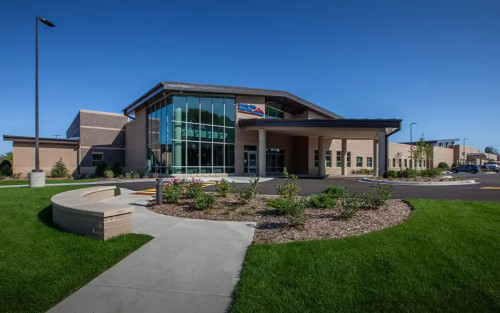
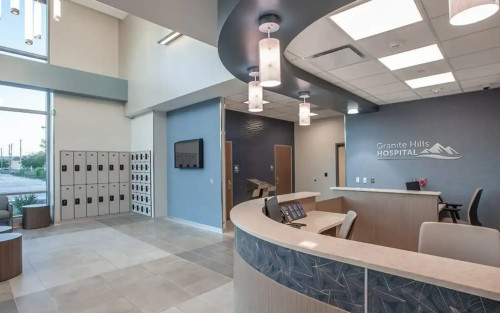
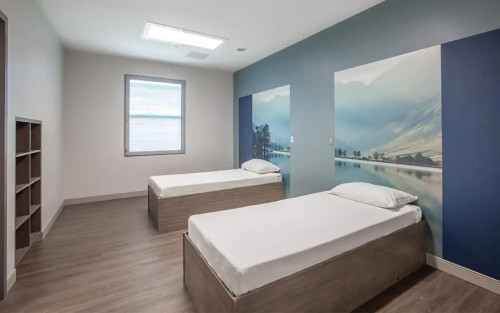

Granite Hills Hospital
Granite Hills Hospital
Granite Hills Hospital
About Granite Hills Hospital
With 120 beds across 5 smaller units, Granite Hills Hospital provides around-the-clock inpatient psychiatric treatment in West Allis, Wisconsin. They serve adolescents ages 13-17 and adults ages 18 and older, addressing depression, anxiety, bipolar disorder, personality disorders, PTSD, eating disorders, suicidal thoughts, and self-harm. Enclosed outdoor spaces form part of the hospital setting, while a separate adult medical detox program addresses substance use disorder (SUD), including opioid dependence.
Assessment-Guided Adolescent Therapy
Clinicians assess each teen and develop a treatment plan that combines individual, group, and family therapy. They select approaches such as cognitive behavioral therapy (CBT), dialectical behavior therapy (DBT), acceptance and commitment therapy (ACT), exposure therapy, and motivational interviewing according to the assessment. The adolescent program focuses on psychiatric stabilization and managing emotions and behaviors for home and school, with outpatient care available after inpatient treatment.
Adult Detox and Day Treatment (PHP)
Adults undergoing opioid detox receive medication-assisted treatment (MAT) with Suboxone or Vivitrol, 24/7 nursing, and on-site psychiatric care during stays averaging 3-5 days. Case managers coordinate discharge plans. Separately, adult mental health day treatment (PHP) runs 3-6 weeks, Monday-Friday from 9 a.m. to 2 p.m. Participants attend 4 groups daily and receive medication management without individual therapy sessions. Staff also help arrange ongoing outpatient providers.
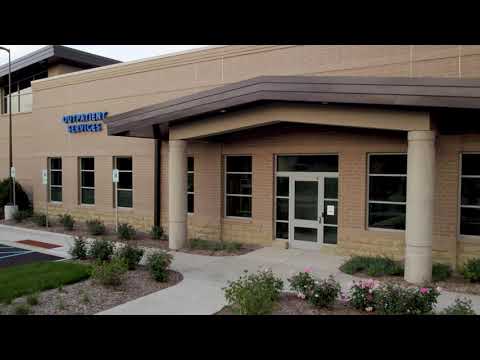
Center Overview

Supportive Medication for Recovery
Medication-Assisted Treatment (MAT) is an evidence-based approach that pairs FDA-approved medications with counseling to treat addiction. The medications are used to reduce cravings, ease withdrawal symptoms, or block the effects of substances. More about MAT
Methadone

Naltrexone
Buprenorphine

Note: Treatment centers offer different forms of MAT—such as oral tablets, dissolvable films, or monthly injections—and their policies can vary based on state regulations, provider preferences, and insurance coverage. Because of these differences, it's best to contact the center directly to learn what options are available and what might be right for your situation.
Insurance Accepted
Cash Pay Rates
Levels of Care

