Find Treatment By
Rehabs by Location


Learn
About Us
Recovery.com combines independent research with expert guidance on addiction and mental health treatment. Our mission is to help everyone find the best path to recovery through the most comprehensive, helpful network of treatment providers worldwide.
Advisory Council
Our advisory council brings together leaders in behavioral health, technology, and business. Their diverse expertise ensures our resources and product are innovative, evidence-based, and effective. They guide our mission as accomplished individuals dedicated to improving the landscape of addiction recovery and mental wellness.
Grand Falls Recovery Center
Grand Falls Recovery Center
About Grand Falls Recovery Center
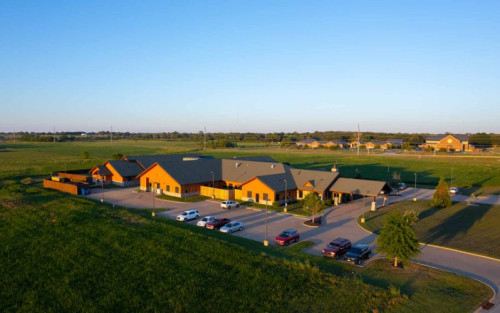
Grand Falls Recovery, located in Joplin, MO, provides a complete, stepped pathway to recovery, treating substance use alongside mental health conditions under one roof. Rather than forcing clients to switch facilities as they recover, the center offers a full continuum of care—guiding individuals seamlessly through medical detox, residential inpatient, PHP, IOP, standard outpatient, and aftercare support.
Receive Adaptive Care That Changes and Grows With Progress
Grand Falls Recovery’s team, which brings over 25 years of experience in addiction and mental health treatment, treats substance use and mental health conditions like anxiety and depression side by side. From the day clients walk in through their transition back home, clinicians regularly check in and adjust treatment based on how each person is progressing, giving them a solid, step-by-step foundation as they embrace a life of sobriety.
Focus on Healing While Grand Falls Takes Care of Every Detail
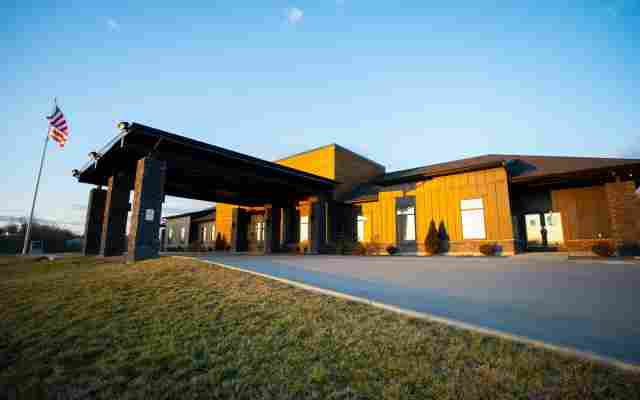
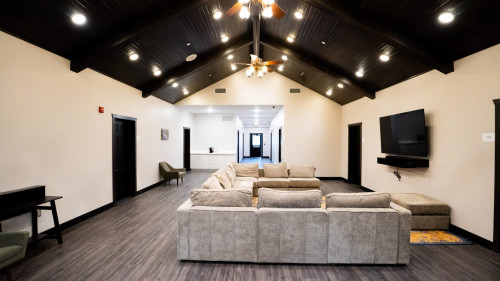
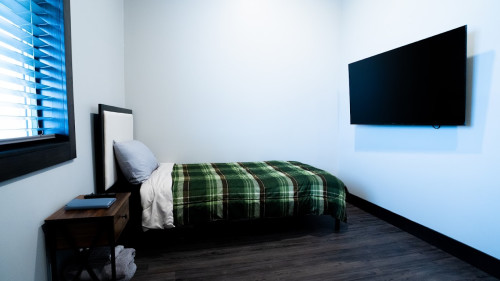
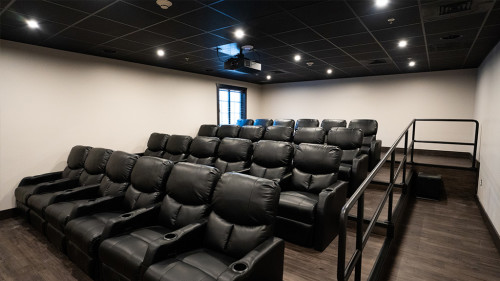
Grand Falls Recovery’s facility is designed to feel more like a quiet place to breathe and reset. Clients get a comfortable semi-private room with their own flat-screen TVs, along with cozy lounges and a library when they need some downtime. The cafeteria is open 24/7, they host daily wellness activities, and even have an on-site salon and spa.
Protect Sobriety with a Custom, Step-by-Step Roadmap
Early in treatment, case managers and clinicians sit down with clients to map out a clear, personalized strategy for what comes next. They help set up local therapy sessions, plug into support groups, and find structured housing options if needed. As treatment continues, everyday triggers are identified and a relapse prevention plan is created. By the time clients leave, they can confidently move forward with a personalized plan for staying sober.
Highlights from the Center
Insurance Accepted
Customized Treatment Plans
On-site Medical Detox
Tech Friendly
Center Overview
Insurance Accepted









Not Accepted



















Cash Pay Rates


Recovery.com Verified Listing
Recovery.com verified that the name, location, contact information and license to operate for this treatment provider are valid and up-to-date.
Joint Commission Accredited

Licensed by Missouri
Recovery.com is an independent, third-party mental health resource. Verification does not imply endorsement and does not guarantee the quality of treatment services.
Meet Your Care Team
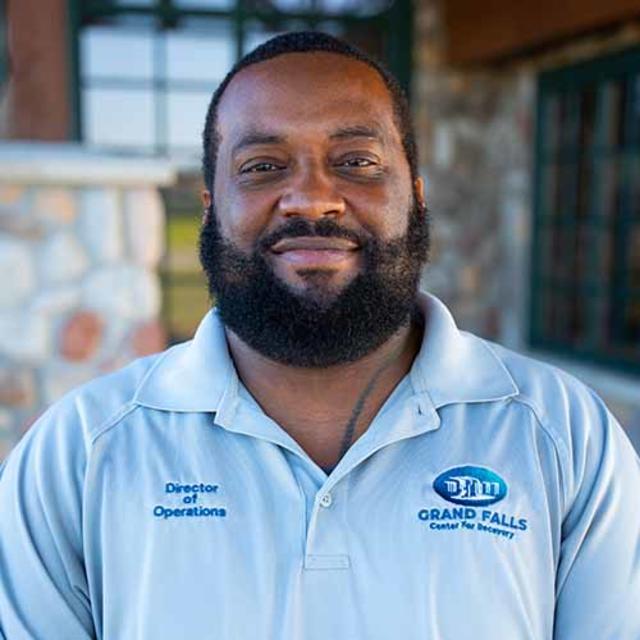
Josh Anderson
Director of Operations
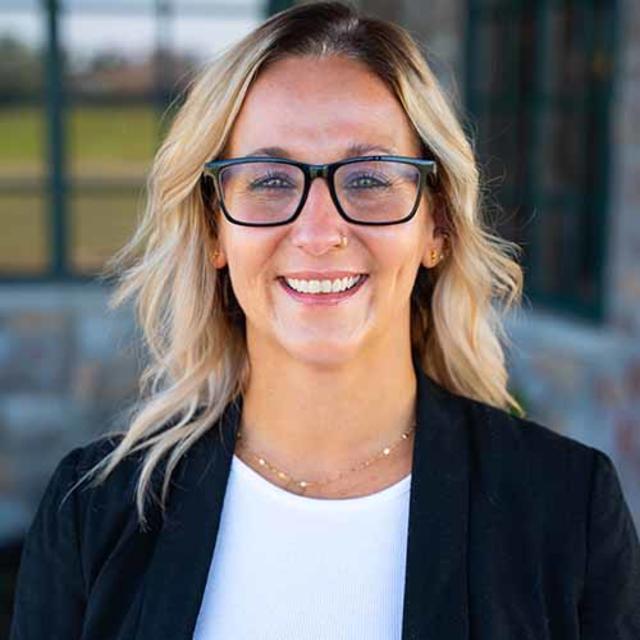
Courtney Rice
LMSW- Clinical Supervisor
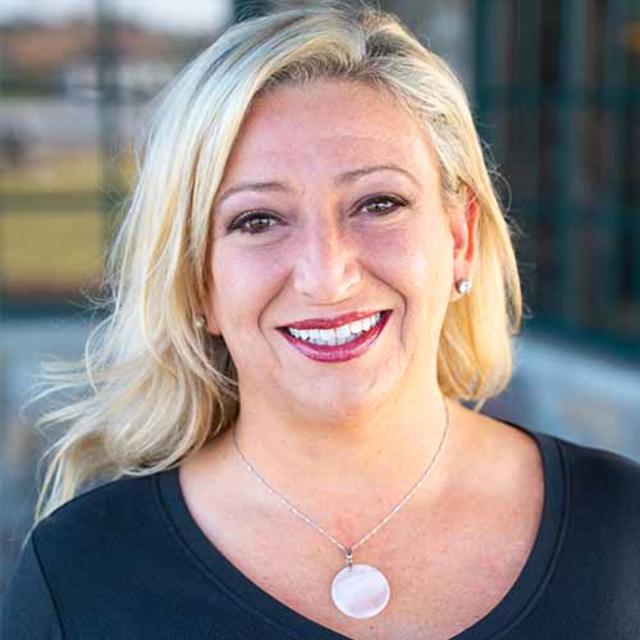
Stacy Wagner
Director Of Nursing
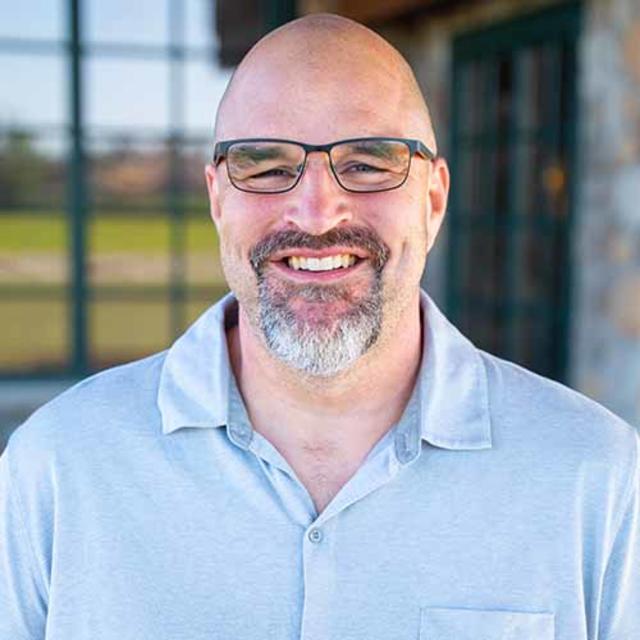
Derek Collier
HR Manager
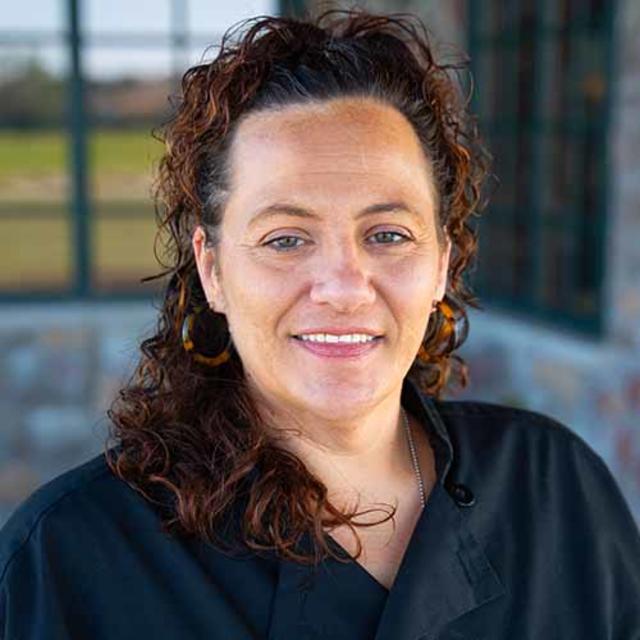
Ashley Hackett
Chef
Supportive Medication for Recovery
Medication-Assisted Treatment (MAT) is an evidence-based approach that pairs FDA-approved medications with counseling to treat addiction. The medications are used to reduce cravings, ease withdrawal symptoms, or block the effects of substances. More about MAT
This center offers MAT, but does not list specific medications for treatment. Contact the center for details for specific MAT medications.
Note: Treatment centers offer different forms of MAT—such as oral tablets, dissolvable films, or monthly injections—and their policies can vary based on state regulations, provider preferences, and insurance coverage. Because of these differences, it's best to contact the center directly to learn what options are available and what might be right for your situation.
Your Care Options
Specializations
Who We Treat
Treatment Services
Approaches
Therapies
Languages
Conditions We Treat
Substances We Treat
Aftercare
Care Designed for Your Needs
Personal Amenities
Amenities
Special Considerations
Activities
Off-Site Activities
Off-Site Amenities
Smoking and Vaping Policy
Learn More About the Center
Why CBT Works
Break the cycle of repeated habits by addressing mindset instead of just behaviors.
The Persistence of Depression
Understand why emotional heaviness lingers long after a crisis passes, and discover how the body can heal from stress.
Why Dual Diagnosis is the Clinical Norm
Discover how treating addiction and co-occurring mental health disorders together tackles the root cause of relapse.
How to Use MAT
Silence the background noise of physical withdrawal and cravings to focus on the deeper work of recovery.