Find Treatment By
Rehabs by Location


Find Treatment By
Learn
About Us
Recovery.com combines independent research with expert guidance on addiction and mental health treatment. Our mission is to help everyone find the best path to recovery through the most comprehensive, helpful network of treatment providers worldwide.
Advisory Council
Our advisory council brings together leaders in behavioral health, technology, and business. Their diverse expertise ensures our resources and product are innovative, evidence-based, and effective. They guide our mission as accomplished individuals dedicated to improving the landscape of addiction recovery and mental wellness.
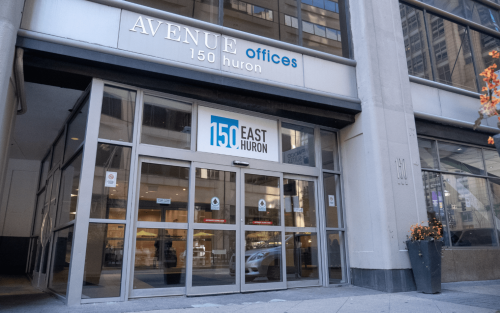




Eating Recovery Center Chicago - Huron
Verified Center
This provider's information has been quality-checked by Recovery.com's Research Team for accuracy and completeness, including center verification through appropriate third-party organizations.
Treatment Focus
You can get treatment for eating disorders at this center, helping you navigate symptoms, build coping tools, and restore your physical health under expert care.
Primary Level of Care
Offering intensive care with 24/7 monitoring, residential treatment is typically 30 days and can cover multiple levels of care. Length can range from 14 to 90 days typically.
Treatment Focus
You can get treatment for eating disorders at this center, helping you navigate symptoms, build coping tools, and restore your physical health under expert care.
Primary Level of Care
Offering intensive care with 24/7 monitoring, residential treatment is typically 30 days and can cover multiple levels of care. Length can range from 14 to 90 days typically.
Provider's Policy
We are in-network with most insurances. We do not take Medicaid or Medicare. To ensure you can pursue recovery, our dedicated team will work on your behalf by acting as a liaison with your insurance provider, answering your questions, and providing guidance and support every step of the way.
Eating Recovery Center Chicago - Huron
Eating Recovery Center Chicago - Huron
About Eating Recovery Center Chicago - Huron
Located in downtown Chicago, The Eating Recovery Center in Chicago offers specialized treatment for adult clients with eating disorders and co-occurring mental health issues. Their services include inpatient, day treatment, and intensive outpatient programs. The Eating Recovery Center focuses on individualized care by using evidence-based treatment methods to support patients in achieving long-term recovery. Their expert team of licensed therapists is dedicated to helping clients overcome eating disorders and co-occurring conditions in a supportive environment.
Comprehensive Tailored Treatment
The Eating Recovery Center uses a holistic and personalized approach to treat eating disorders, combining medical, psychological, and nutritional support. This treatment center provides healing for adults who struggle with anorexia, ARFID, binge eating disorder, bulimia, compulsive overeating, orthorexia, and other specified feeding and eating disorders. The Eating Recovery Center’s staff are trained on the most up-to-date and evidence-based therapies to address complex cases. The center is fully equipped to provide these services if clients require medication management and psychiatric supervision.
Lighting the Way to Recovery
At The Eating Recovery Center in Chicago, the treatment focuses on building coping skills and whole-person support. The clinicians use nutritional rehabilitation, dialectical behavior therapy (DBT), radically open dialectical behavior therapy (RO DBT), exposure therapy, acceptance and commitment therapy (ACT), and cognitive behavioral therapy (CBT) to help clients build resilience, navigate stress, and create lasting connections with others. Additionally, they offer group therapy, nutritional counseling, and family therapy to deepen each client’s recovery experience.
State-of-the-Art Facilities and Aftercare Program
The Eating Recovery Center in Chicago offers a modern, supportive environment with amenities and services, including quiet, dedicated therapy spaces, art groups, nutritional counseling, and family education. Clients see the same clinician as they transition from residential treatment to outpatient treatment, making for a smooth and cohesive transition.
The aftercare program for alumni provides ongoing support through resources like virtual support groups, community events, and periodic follow-up appointments. The Eating Recovery Center of Chicago has a Community Outreach Team dedicated to assisting alumni and their families with continued recovery.

Highlights from the Center
Highlights
These highlights are provided by and paid for by the center.
Certified Professionals
Eating Disorders Program
Center Overview
Treatment Focus
You can get treatment for eating disorders at this center, helping you navigate symptoms, build coping tools, and restore your physical health under expert care.
Joint Commission Accredited
The Joint Commission accreditation is a voluntary, objective process that evaluates and accredits healthcare organizations (like treatment centers) based on performance standards designed to improve quality and safety for patients. To be accredited means the treatment center has been found to meet the Commission's standards for quality and safety in patient care.

Insurance Accepted













Recovery.com Verified Listing
Recovery.com verified that the name, location, contact information and license to operate for this treatment provider are valid and up-to-date.
Joint Commission Accredited

Licensed by Illinois
Recovery.com is an independent, third-party mental health resource. Verification does not imply endorsement and does not guarantee the quality of treatment services.
Meet Your Care Team

Ken Weiner
Founder and Chief Medical Officer
MD, CEDS, FAED
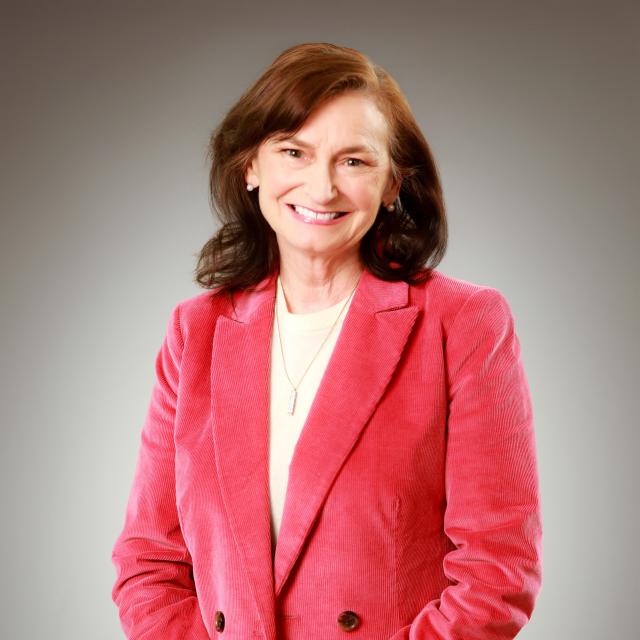
Anne Marie O'Melia
Chief Clinical and Quality Officer
MD, MS, FAAP, CEDS-C
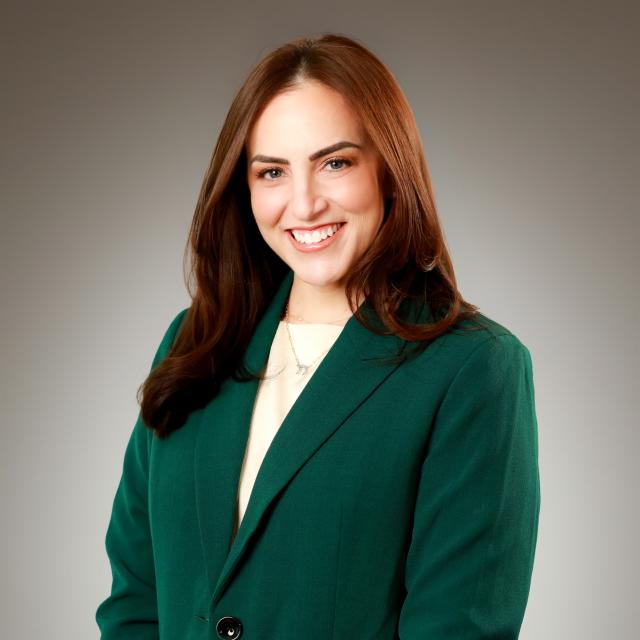
Melissa Spann
Senior Vice President of Clinical Services
PhD, MBA, CEDS-C
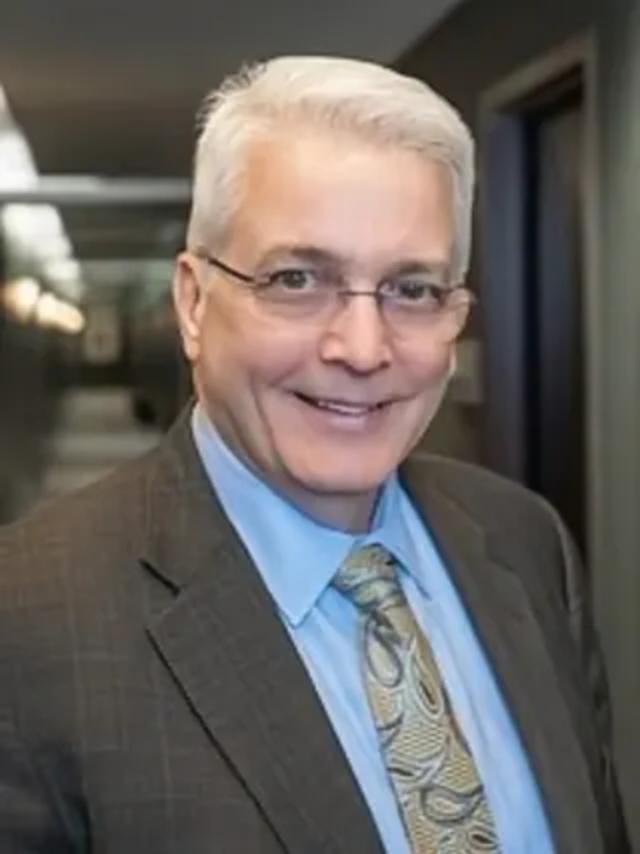
Steven Crawford
National Medical Director Physician Training and Development
MD
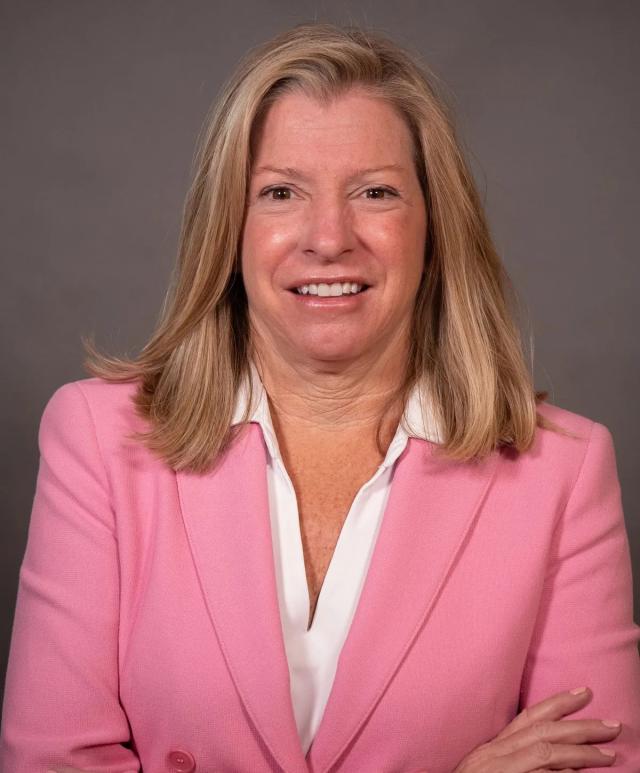
Kim Anderson
Senior Director of Clinical Quality Outcomes
PhD, CEDS
Your Care Options
Specializations
Co-Occurring Disorders
A person with multiple mental health diagnoses, such as addiction and depression, has co-occurring disorders also called dual diagnosis.
Eating Disorders
An eating disorder is a long-term pattern of unhealthy behavior relating to food. Most people with eating disorders have a distorted self-image.
Family Therapy
Family therapy addresses group dynamics within a family system, with a focus on improving communication and interrupting unhealthy relationship patterns.
Who We Treat
Men and Women
Men and women attend treatment for addiction in a co-ed setting, going to therapy groups together to share experiences, struggles, and successes.
Treatment Services
Day Treatment
Also commonly called PHP, patients may live at home or in a recovery residence while following an intensive treatment program. Most have a weekly schedule of M–F and 4 to 6 hours per day.
Intensive Outpatient Program
In an IOP, patients live at home or a sober living, but attend treatment typically 9-15 hours a week. Most programs include talk therapy, support groups, and other methods.
Outpatient
During outpatient rehab, patients attend a structured treatment program while continuing to live at home.
Residential
In a residential rehab program, patients live onsite, with access to daily treatment and 24-hour care. An average stay is 30-90 days.
Approaches
Evidence-Based
A combination of scientifically rooted therapies and treatments make up evidence-based care, defined by their measured and proven results.
Family Involvement
Providers involve family in the treatment of their loved one through family therapy, visits, or both–because addiction is a family disease.
Individual Treatment
Individual care meets the needs of each patient, using personalized treatment to provide them the most relevant care and greatest chance of success.
Therapies
1-on-1 Counseling
Patient and therapist meet 1-on-1 to work through difficult emotions and behavioral challenges in a personal, private setting.
Acceptance and Commitment Therapy (ACT)
This cognitive behavioral therapy teaches patients to accept challenging feelings and make the appropriate changes to reach personal goals.
Art Therapy
Visual art invites patients to examine the emotions within their work, focusing on the process of creativity and its gentle therapeutic power.
Family Therapy
Family therapy addresses group dynamics within a family system, with a focus on improving communication and interrupting unhealthy relationship patterns.
Nutrition Counseling
Nutritious food helps patients heal from within, setting them up for mental and bodily wellness as they learn about healthy eating.
Online Therapy
Patients can connect with a therapist via videochat, messaging, email, or phone. Remote therapy makes treatment more accessible.
Languages
Conditions We Treat
Eating Disorders
An eating disorder is a long-term pattern of unhealthy behavior relating to food. Most people with eating disorders have a distorted self-image.
Substances We Treat
Co-Occurring Disorders
A person with multiple mental health diagnoses, such as addiction and depression, has co-occurring disorders also called dual diagnosis.
Aftercare
Care Designed for Your Needs
Personal Amenities
Activities
Yoga
Yoga is both a physical and spiritual practice. It includes a flow of movement, breathing techniques, and meditation.
Learn More About the Center
Affirming Eating Disorder Center
Read about the affirming care specifically tailored for LGBTQ+ clients. The program includes specialized support and culturally competent care to meet the needs of LGBTQ+ clients.
Outcome Report
Explore The Eating Recovery Center treatment outcomes report.
Radically Open Dialectical Behavior Therapy (ROBT)
Learn about ROBT which treats disorders characterized by excessive self-control, like anorexia. It focuses on promoting openness, flexibility and social connectedness.
How to Manage Stress
Discover how a practicing psychologist at The Eating Recovery Center manages stress.