All CentersEating Recovery Center Baltimore

Eating Recovery Center Baltimore

Verified Center

This provider's information has been quality-checked by Recovery.com's Research Team for accuracy and completeness, including center verification through appropriate third-party organizations.

Eating Disorders

Treatment Focus

You can get treatment for eating disorders at this center, helping you navigate symptoms, build coping tools, and restore your physical health under expert care.

Outpatient

Primary Level of Care

Outpatient treatment offers flexible therapeutic and medical care without the need to stay overnight in a hospital or inpatient facility. Some centers offer intensive outpatient program (IOP), which falls between inpatient care and traditional outpatient service.

2.8
(36)
Insurance

Provider's Policy

We are in-network with most insurances. We do not take Medicaid or Medicare. To ensure you can pursue recovery, our dedicated team will work on your behalf by acting as a liaison with your insurance provider, answering your questions, and providing guidance and support every step of the way.

Located outside of Baltimore, The Eating Recovery Center offers specialized treatment for adults, adolescents (ages 13 to 17), and children (ages 8 to 12) with eating disorders and co-occurring mental health issues. Their range of services includes day treatment, intensive outpatient, and outpatient programs. The Eating Recovery Center focuses on individualized care and uses evidence-based treatment methods to support patients in achieving long-term recovery. Their expert team of licensed therapists is dedicated to helping clients overcome eating disorders and co-occurring conditions in a supportive environment.

Comprehensive Tailored Treatment

The Eating Recovery Center uses a holistic and personalized approach to treat eating disorders, combining medical, psychological, and nutritional support. This treatment center provides healing for adults who struggle with anorexia, ARFID, binge eating disorder, bulimia, compulsive overeating, orthorexia, and other specified feeding and eating disorders. The Eating Recovery Center’s staff are trained on the most up-to-date and evidence-based therapies to address complex cases. The center is fully equipped to provide these services if clients require medication management and psychiatric supervision.

Lighting the Way to Recovery

At The Eating Recovery Center in Baltimore, the treatment focuses on building coping skills and whole-person support. The clinicians use nutritional rehabilitation, dialectical behavior therapy (DBT), radically open dialectical behavior therapy (RO DBT), exposure therapy, acceptance and commitment therapy (ACT), and cognitive behavioral therapy (CBT) to help clients build resilience, navigate stress, and create lasting connections with others. Additionally, they offer group therapy, nutritional counseling, and family therapy to deepen each client’s recovery experience.

State-of-the-Art Facilities and Aftercare Program

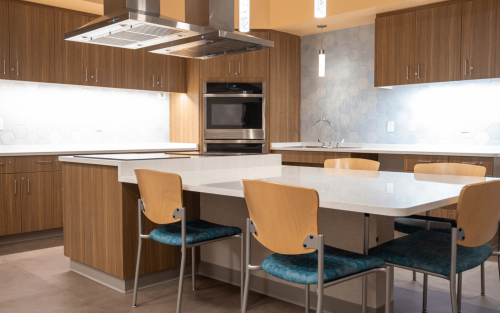
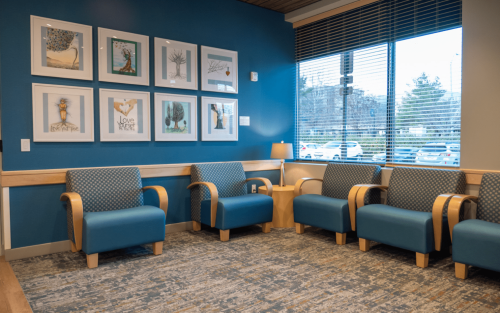
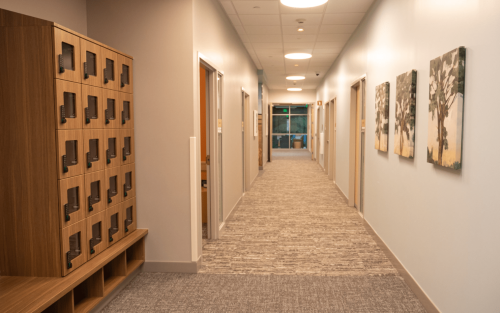
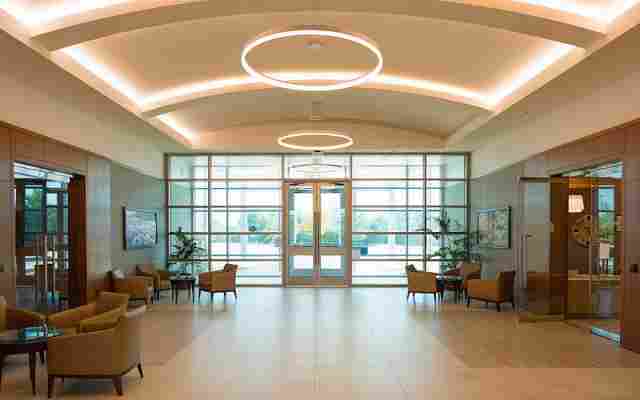
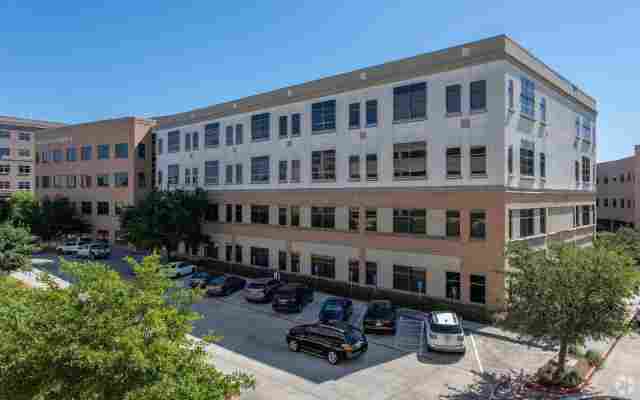
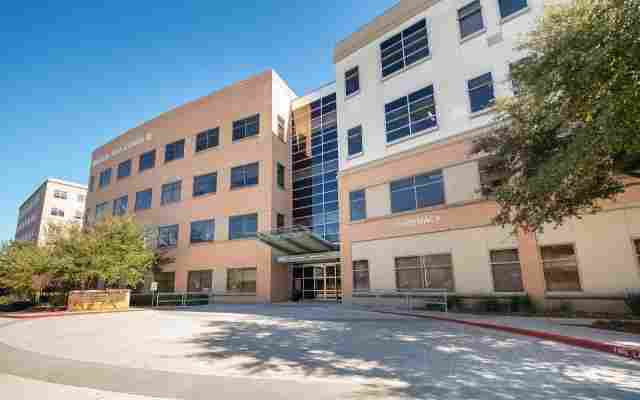
The Eating Recovery Center Baltimore offers a modern, supportive environment with amenities and services, including quiet, dedicated therapy spaces, art groups, nutritional counseling, and family education. Clients see the same clinician transitioning from day treatment to outpatient care, making for a smooth and cohesive transition.

The aftercare program for alumni provides ongoing support through resources like virtual support groups, community events, and periodic follow-up appointments. The Eating Recovery Center has a Community Outreach Team dedicated to assisting alumni and their families with continued recovery.

Eating Recovery Center Baltimore thumbnail

Highlights from the Center

Highlights

These highlights are provided by and paid for by the center.

  • Certified Professionals

  • Adolescents

  • Eating Disorders Program

AT A GLANCE

Center Overview

Location
101 Schilling Rd, Hunt Valley, MD 21030 View Map
Part of
Primary Focus
You can get treatment for eating disorders at this center, helping you n...

Treatment Focus

You can get treatment for eating disorders at this center, helping you navigate symptoms, build coping tools, and restore your physical health under expert care.

Accreditation
Joint Commission

Joint Commission Accredited

The Joint Commission accreditation is a voluntary, objective process that evaluates and accredits healthcare organizations (like treatment centers) based on performance standards designed to improve quality and safety for patients. To be accredited means the treatment center has been found to meet the Commission's standards for quality and safety in patient care.

Typical Program Length
30+ Days
Founded in 2021
5 years in business
Conditions We Treat
Eating Disorders
Substance Use We Treat
Co-Occurring Disorders
Testimonial
To anyone reading this. . . You already know how devastating it is to have your child experience this. My 12-year-old daughter stayed for more than 60 days at the residential program Hunt Valley.. Never had stayed with anyone other than family. ERC helped my family through some of the darkest times We've experienced. Today my daughter is healthy and successful. I want to send a message of hope to anyone reading this or needing help. It was a long road to ERC and a long road after but things can get better.
ZH
Zachary H
How to pay

Insurance Accepted

BlueCross BlueShield
United Healthcare
Not Accepted
Not Accepted
Aetna
Cigna
Anthem
Humana
Optum
Magellan Health
MHN
Provider's Policy: We are in-network with most insurances. We do not take Medicaid or Medicare. To ensure you can pursue recovery, our dedicated team will work on your behalf by acting as a liaison with your insurance provider, answering your questions, and providing guidance and support every step of the way.
Verify Insurance
Expert Eating Disorder Care
The Eating Recovery Center of Baltimore has a highly experienced team, including physicians, dieticians, nursing support, family support, and licensed therapists who address complex co-occurring eating disorders and mental health issues.
Comprehensive Eating Disorder Treatment
The Eating Recovery Center treats various eating disorders with a holistic approach that integrates medical, psychological, and nutritional support into day treatment, intensive outpatient, and outpatient programs. Each program is tailored to meet the unique needs of each individual.
Personalized Nutrition Programs
The Eating Recovery Center’s nutrition program provides personalized dietary plans developed by dieticians to support eating disorder recovery. The program focuses on balanced meal plans, nutritional education, and addressing food-related anxieties to restore physical health and promote a healthy relationship with food.
Seamless Admissions and Clinical Assessment
The admissions process at The Eating Recovery Center begins with a free, confidential assessment to determine the appropriate level of care. The team assists with insurance verification, financial arrangements, and scheduling intake for a clinical assessment.

Recovery.com Verified Listing

Recovery.com verified that the name, location, contact information and license to operate for this treatment provider are valid and up-to-date.
Joint Commission Accredited

Joint Commission Accredited

Licensed by Maryland

Licensed by Maryland

Recovery.com is an independent, third-party mental health resource. Verification does not imply endorsement and does not guarantee the quality of treatment services.

Staff

Meet Your Care Team

Lori Schwartz

Lori Schwartz

Medical Director

MD

Grace Serafini

Grace Serafini

Nurse Practitioner

PMHNP

Melissa Clark

Melissa Clark

Primary Care Physician

MD
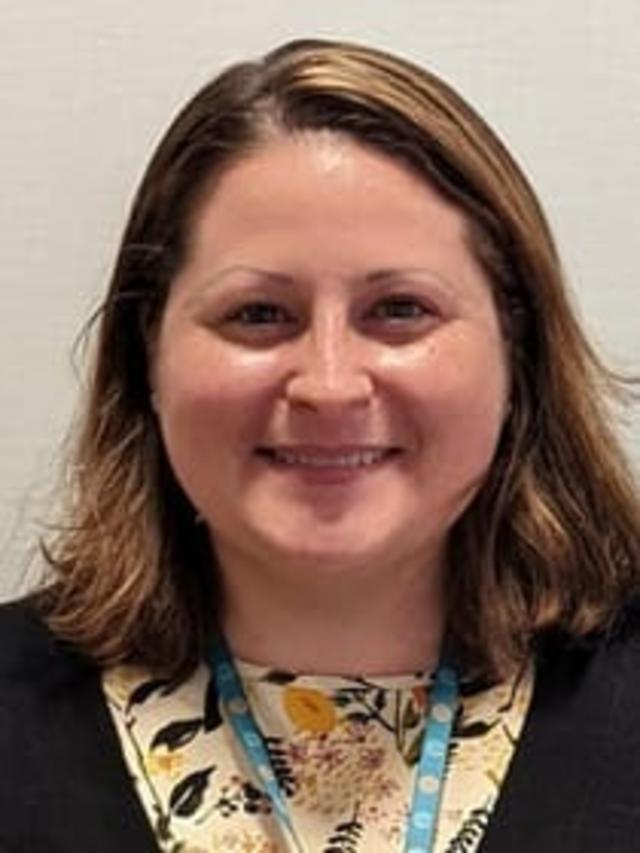
Caitlin Royster

Caitlin Royster

Nutrition Director

RD, LDN

Treatment

Your Care Options

Specializations

Day Treatment

Day Treatment

Also commonly called PHP, patients may live at home or in a recovery residence while following an intensive treatment program. Most have a weekly schedule of M–F and 4 to 6 hours per day.

Anxiety

Anxiety

Anxiety is a common mental health condition that can include excessive worry, panic attacks, physical tension, and increased blood pressure.

Co-Occurring Disorders

Co-Occurring Disorders

A person with multiple mental health diagnoses, such as addiction and depression, has co-occurring disorders also called dual diagnosis.

Eating Disorders

Eating Disorders

An eating disorder is a long-term pattern of unhealthy behavior relating to food. Most people with eating disorders have a distorted self-image.

Family Therapy

Family Therapy

Family therapy addresses group dynamics within a family system, with a focus on improving communication and interrupting unhealthy relationship patterns.

Holistic

Holistic

A non-medicinal, wellness-focused approach that aims to align the mind, body, and spirit for deep and lasting healing.

Intensive Outpatient Program

Intensive Outpatient Program

In an IOP, patients live at home or a sober living, but attend treatment typically 9-15 hours a week. Most programs include talk therapy, support groups, and other methods.

Who We Treat

Men
Women
Adolescents

Adolescents

Teens receive the treatment they need for mental health disorders and addiction, with the added support of educational and vocational services.

Children

Children

Treatment for children incorporates the psychiatric care they need and education, often led by on-site teachers to keep children on track with school.

Men and Women

Men and Women

Men and women attend treatment for addiction in a co-ed setting, going to therapy groups together to share experiences, struggles, and successes.

Girls
Boys

Treatment Services

Day Treatment

Day Treatment

Also commonly called PHP, patients may live at home or in a recovery residence while following an intensive treatment program. Most have a weekly schedule of M–F and 4 to 6 hours per day.

Intensive Outpatient Program

Intensive Outpatient Program

In an IOP, patients live at home or a sober living, but attend treatment typically 9-15 hours a week. Most programs include talk therapy, support groups, and other methods.

Outpatient

Outpatient

During outpatient rehab, patients attend a structured treatment program while continuing to live at home.

Outpatient Therapy
Virtual

Approaches

Evidence-Based

Evidence-Based

A combination of scientifically rooted therapies and treatments make up evidence-based care, defined by their measured and proven results.

Family Involvement

Family Involvement

Providers involve family in the treatment of their loved one through family therapy, visits, or both–because addiction is a family disease.

Individual Treatment

Individual Treatment

Individual care meets the needs of each patient, using personalized treatment to provide them the most relevant care and greatest chance of success.

Therapies

1-on-1 Counseling

1-on-1 Counseling

Patient and therapist meet 1-on-1 to work through difficult emotions and behavioral challenges in a personal, private setting.

Acceptance and Commitment Therapy (ACT)

Acceptance and Commitment Therapy (ACT)

This cognitive behavioral therapy teaches patients to accept challenging feelings and make the appropriate changes to reach personal goals.

Art Therapy

Art Therapy

Visual art invites patients to examine the emotions within their work, focusing on the process of creativity and its gentle therapeutic power.

Cognitive Behavioral Therapy
Dialectical Behavior Therapy
Family Therapy

Family Therapy

Family therapy addresses group dynamics within a family system, with a focus on improving communication and interrupting unhealthy relationship patterns.

Group Therapy
Life Skills

Life Skills

Teaching life skills like cooking, cleaning, clear communication, and even basic math provides a strong foundation for continued recovery.

Nutrition Counseling

Nutrition Counseling

Nutritious food helps patients heal from within, setting them up for mental and bodily wellness as they learn about healthy eating.

Languages

English

Conditions We Treat

Eating Disorders

Eating Disorders

An eating disorder is a long-term pattern of unhealthy behavior relating to food. Most people with eating disorders have a distorted self-image.

Substances We Treat

Co-Occurring Disorders

Co-Occurring Disorders

A person with multiple mental health diagnoses, such as addiction and depression, has co-occurring disorders also called dual diagnosis.

Aftercare

Online Aftercare
Aftercare Home Support
Alumni Events & Get-Togethers
Private, Online Alumni Groups
Mentoring and Peer support
Experience

Care Designed for Your Needs

Personal Amenities

Air-Conditioned Rooms
Private or Shared Rooms
Shared Rooms
TV

Amenities

Chef-prepared Meals

Special Considerations

Dietary Accommodations
Executive Program

Executive Program

Addiction and mental health treatment for executives typically involves high discretion, greater technology access, and more private, 1-on-1 care.

Activities

Yoga

Yoga

Yoga is both a physical and spiritual practice. It includes a flow of movement, breathing techniques, and meditation.

Adventure Outings
Alternative Meetings

Off-Site Activities

Alternative Meetings
Adventure Outings
Yoga

Yoga

Yoga is both a physical and spiritual practice. It includes a flow of movement, breathing techniques, and meditation.

Frequently Asked Questions

Further Research

The following therapies are included: group therapy, 1-on-1 counseling and more.
Hunt Valley, Maryland, United States.
We are in-network with most insurances. We do not take Medicaid or Medicare. To ensure you can pursue recovery, our dedicated team will work on your behalf by acting as a liaison with your insurance provider, answering your questions, and providing guidance and support every step of the way.
The typical length is 30+ Days.
Eating Recovery Center Baltimore provides day treatment, intensive outpatient program and more.