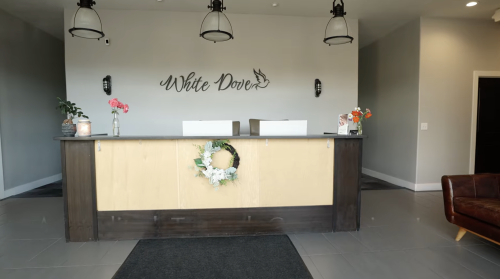
White Dove Detox
Treatment Focus
This center primarily treats substance use disorders, helping you stabilize, create relapse-prevention plans, and connect to compassionate support.
Primary Level of Care
Typically the initial stage of treatment for substance use, focusing on medically supervised management of withdrawal symptoms
Claimed
Recovery.com has connected directly with this treatment provider to validate the information in their profile.
Treatment Focus
This center primarily treats substance use disorders, helping you stabilize, create relapse-prevention plans, and connect to compassionate support.
Primary Level of Care
Typically the initial stage of treatment for substance use, focusing on medically supervised management of withdrawal symptoms
Provider's Policy
White Dove Detox accepts private pay, major credit cards and in-network plans including Regence BCBS, Tricare, TriWest, EMI, Imagine Health, PEHP, and MultiPlan. Call to verify benefits and take the next step toward detox care.
About White Dove Detox
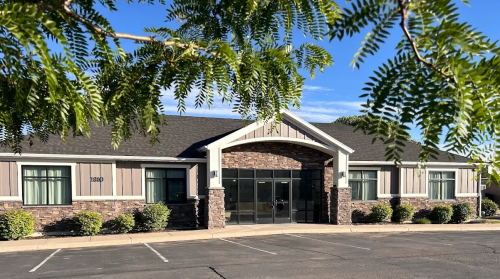
Designed for people who need a safe first step before ongoing treatment, White Dove Detox provides medically supervised detox in Layton, Utah. The center supports adults beginning recovery from alcohol addiction, opioid addiction, benzodiazepine addiction, and other drug dependence in a quiet, private setting near the mountains. The program provides 24-hour supervision during detox, with nurses, medical staff, and chemical dependency personnel available to monitor safety and comfort.
Ease Withdrawal With Guidance
White Dove Detox builds its mission around dignity, privacy, and compassion, shaped by a founder who created the center from lived recovery experience. Care begins with a medical intake that may include a history and physical exam, laboratory testing, toxicology screening, and a biopsychosocial assessment to guide an individualized care plan. Services include daily medical assessments, symptom monitoring, comfort-focused medications, and help for anxiety, sleep issues, body aches, and other withdrawal symptoms.
Rest In Private Comfort
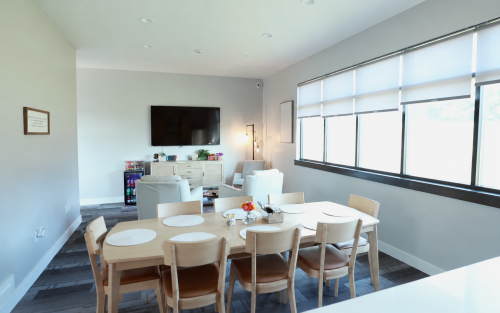
During each stay, people rest in private rooms with soft bedding, large-screen TVs, streaming access, robes, and quiet lighting. The center also offers homemade dinners, snacks, a stocked kitchen, light exercise equipment, crafts, puzzles, recovery books, and a Zen Room with a massage chair. To round out the experience, Joey, the emotional support dog, brings a calming presence, while transfer planning helps each person leave detox with a clearer path toward continued care.
Center Overview

Treatment Focus
This center primarily treats substance use disorders, helping you stabilize, create relapse-prevention plans, and connect to compassionate support.
Joint Commission Accredited
The Joint Commission accreditation is a voluntary, objective process that evaluates and accredits healthcare organizations (like treatment centers) based on performance standards designed to improve quality and safety for patients. To be accredited means the treatment center has been found to meet the Commission's standards for quality and safety in patient care.
Supportive Medication for Recovery
Medication-Assisted Treatment (MAT) is an evidence-based approach that pairs FDA-approved medications with counseling to treat addiction. The medications are used to reduce cravings, ease withdrawal symptoms, or block the effects of substances. More about MAT
Methadone
Naltrexone
Buprenorphine
This center accepts patients receiving MAT prescribed elsewhere for opioid use disorder, but does not provide MAT.
Note: Treatment centers offer different forms of MAT—such as oral tablets, dissolvable films, or monthly injections—and their policies can vary based on state regulations, provider preferences, and insurance coverage. Because of these differences, it's best to contact the center directly to learn what options are available and what might be right for your situation.
Insurance Accepted

Cash Pay Rates
Estimated Cash Pay Rate
Center pricing can vary based on program and length of stay. Contact the center for more information. Recovery.com strives for price transparency so you can make an informed decision.
Levels of Care
Your Care Options
Specializations
Alcohol
Using alcohol as a coping mechanism, or drinking excessively throughout the week, signals an alcohol use disorder.
Benzodiazepines
Benzodiazepines are prescribed to treat anxiety, insomnia, and seizures. They can be habit-forming and may cause drowsiness, memory problems, and dependence.
Co-Occurring Disorders
A person with multiple mental health diagnoses, such as addiction and depression, has co-occurring disorders also called dual diagnosis.
Drug Addiction
Drug addiction is the excessive and repetitive use of substances, despite harmful consequences to a person's life, health, and relationships.
Opioids
Opioids produce pain-relief and euphoria, which can lead to addiction. This class of drugs includes prescribed medication and the illegal drug heroin.
Who We Treat
Men and Women
Men and women attend treatment for addiction in a co-ed setting, going to therapy groups together to share experiences, struggles, and successes.
Veterans
Patients who completed active military duty receive specialized treatment focused on trauma, grief, loss, and finding a new work-life balance.
Approaches
Evidence-Based
A combination of scientifically rooted therapies and treatments make up evidence-based care, defined by their measured and proven results.
Individual Treatment
Individual care meets the needs of each patient, using personalized treatment to provide them the most relevant care and greatest chance of success.
Medical
Medical addiction treatment uses approved medications to manage withdrawals and cravings, and to treat contributing mental health conditions.
Therapies
Animal Therapy
Animals can inspire trust and self-worth. In this experiential therapy, guided interactions are used to improve social skills and emotion regulation.
Canine Therapy
Friendly dogs provide a pleasant therapeutic experience, helping patients who've experienced trauma or separations build social and communication skills.
Languages
Substances We Treat
Alcohol
Using alcohol as a coping mechanism, or drinking excessively throughout the week, signals an alcohol use disorder.
Benzodiazepines
Benzodiazepines are prescribed to treat anxiety, insomnia, and seizures. They can be habit-forming and may cause drowsiness, memory problems, and dependence.
Cocaine
Cocaine is a stimulant with euphoric effects. Agitation, muscle ticks, psychosis, and heart issues are common symptoms of cocaine use.
Drug Addiction
Drug addiction is the excessive and repetitive use of substances, despite harmful consequences to a person's life, health, and relationships.
Heroin
Heroin is a highly addictive opioid that produces feelings of euphoria and relaxation. Its use carries serious risks, including overdose and dependence.
Opioids
Opioids produce pain-relief and euphoria, which can lead to addiction. This class of drugs includes prescribed medication and the illegal drug heroin.
Prescription Drugs
It's possible to develop an addiction to any drug, even prescribed ones. If you crave a medication, or regularly take it more than directed, you may have an addiction.
Synthetic Drugs
Synthetic drugs are man-made substances designed to mimic the effects of other drugs. Their potency and risks can be unpredictable.
Care Designed for Your Needs
Personal Amenities
Amenities
Special Considerations
Center Pets
Addiction and mental health facilities with pets allow patients to interact with friendly dogs, cats, horses, and in some cases, even dolphins.
Healthy Meals are provided
Great food meets great treatment, with providers serving healthy meals to restore nutrition, wellbeing, and health.