Find Treatment By
Rehabs by Location


Learn
About Us
Recovery.com combines independent research with expert guidance on addiction and mental health treatment. Our mission is to help everyone find the best path to recovery through the most comprehensive, helpful network of treatment providers worldwide.
Advisory Council
Our advisory council brings together leaders in behavioral health, technology, and business. Their diverse expertise ensures our resources and product are innovative, evidence-based, and effective. They guide our mission as accomplished individuals dedicated to improving the landscape of addiction recovery and mental wellness.
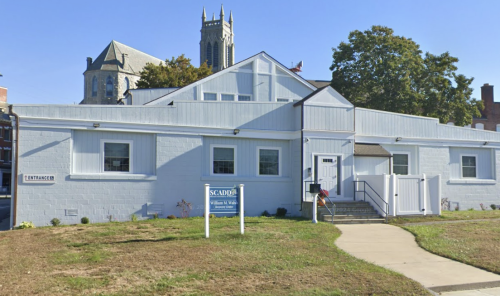
Southeastern Council on Alcohol and Drug Dependence (SCADD)/Detox
Southeastern Council on Alcohol and Drug Dependence (SCADD)/Detox
Southeastern Council on Alcohol and Drug Dependence (SCADD)/Detox
About Southeastern Council on Alcohol and Drug Dependence (SCADD)/Detox
The withdrawal management program offers 24/7 medically monitored detox for individuals struggling with alcohol, opioids, or other substances. Licensed nurses and medical staff provide care in a secure inpatient setting. The program includes medical evaluation, withdrawal support, and medication-assisted treatment to help stabilize the body and begin the recovery journey safely and comfortably.
Build a Foundation for Long-Term Recovery
Medications like Buprenorphine and Methadone are used to ease withdrawal symptoms and reduce cravings. Each person receives a care plan tailored to their needs, combining approved medications with counseling and behavioral therapies. This approach supports both short-term detox and long-term recovery by helping individuals feel stable and prepared for continued treatment.
Engage in Counseling and Aftercare Planning
A typical day includes regular medical check-ins, individual or group counseling, and planning for the next steps after detox. Staff are on-site around the clock to ensure safety and offer support. The environment is structured, calm, and focused on recovery, helping individuals take clear, confident steps toward ongoing care through outpatient or intensive outpatient services.
Center Overview
Supportive Medication for Recovery
Medication-Assisted Treatment (MAT) is an evidence-based approach that pairs FDA-approved medications with counseling to treat addiction. The medications are used to reduce cravings, ease withdrawal symptoms, or block the effects of substances. More about MAT
This center prescribes medications for opioid use disorder.
This center accepts patients receiving MAT prescribed elsewhere for alcohol use disorder, but does not prescribe it.
Note: Treatment centers offer different forms of MAT—such as oral tablets, dissolvable films, or monthly injections—and their policies can vary based on state regulations, provider preferences, and insurance coverage. Because of these differences, it's best to contact the center directly to learn what options are available and what might be right for your situation.
Insurance Accepted



Cash Pay Rates
Levels of Care

