The Path

Substance Use

Treatment Focus

This center treats substance use disorders and co-occurring mental health conditions. Your treatment plan addresses each condition at once with personalized, compassionate care for comprehensive healing.

Residential

Primary Level of Care

Offering intensive care with 24/7 monitoring, residential treatment is typically 30 days and can cover multiple levels of care. Length can range from 14 to 90 days typically.

4.5
(19)
Claimed

Claimed

Recovery.com has connected directly with this treatment provider to validate the information in their profile.

Insurance

Provider's Policy

Verify your insurance to see your coverage options for outpatient substance use treatment at The Path. Our team is here to help you understand costs and next steps.

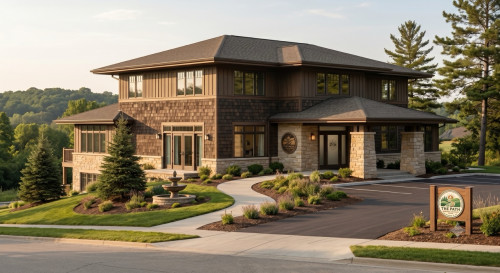
Nestled in a beautiful, quiet enclave of Madison, Wisconsin, The Path offers a serene and picturesque environment designed specifically for deep healing and personal renewal. This premier residential treatment center provides a peaceful sanctuary away from the stresses of daily life, allowing individuals to focus entirely on their recovery. The Path welcomes a diverse community—including men, women, professionals, and the LGBTQ+ community—offering highly personalized, evidence-based care tailored to each person's unique journey toward wellness.

Heal Holistically

The center specializes in comprehensive treatment for drug and alcohol addiction, co-occurring mental health conditions, and chronic relapse. By addressing substance dependency alongside challenges like trauma, PTSD, anxiety, and depression, The Path ensures a holistic approach to recovery. Healing is guided by a trauma-informed philosophy and utilizing an array of sophisticated therapies. Clients participate in foundational modalities like Cognitive Behavioral Therapy (CBT), Dialectical Behavior Therapy (DBT), and Acceptance and Commitment Therapy (ACT), which are seamlessly integrated with experiential approaches, including art therapy and equine therapy.

Sustain Recovery

Every aspect of the recovery experience is overseen by a highly credentialed, accredited medical and clinical staff dedicated to clinical excellence and compassionate care. Recognizing that sustainable sobriety requires ongoing support, The Path prioritizes a robust aftercare program to help alumni transition smoothly back into daily life. Through a structured continuum of care that includes outpatient treatment options, regular support meetings, and welcome return visits, clients leave The Path equipped with the tools, community connections, and ongoing professional support necessary for long-term, lifelong recovery.
The Path thumbnail
AT A GLANCE

Center Overview

Location
316 W Washington Ave FL 10, Madison, WI 53703 View Map
Part of
network
Primary Focus
This center treats substance use disorders and co-occurring mental healt...

Treatment Focus

This center treats substance use disorders and co-occurring mental health conditions. Your treatment plan addresses each condition at once with personalized, compassionate care for comprehensive healing.

Accreditation
Joint Commission

Joint Commission Accredited

The Joint Commission accreditation is a voluntary, objective process that evaluates and accredits healthcare organizations (like treatment centers) based on performance standards designed to improve quality and safety for patients. To be accredited means the treatment center has been found to meet the Commission's standards for quality and safety in patient care.

Typical Program Length
10-60 Days
Founded in 2017
9 years in business
Occupancy
6-15 beds
Conditions We Treat
Alcohol, Anxiety, Benzodiazepines, Chronic Relapse +13 More

Recently helped 32 people via Recovery.com
How to pay

Insurance Accepted

BlueCross BlueShield
Aetna
Aetna
Medicaid
Medicaid(Not Accepted)
Medicare
Medicare(Not Accepted)
Cigna
Cigna
Humana
Humana
Provider's Policy: Verify your insurance to see your coverage options for outpatient substance use treatment at The Path. Our team is here to help you understand costs and next steps.
Payment

Pricing and Program Length

Estimated Center Costs

The cost listed here ($15,000+), is an estimate of program cost. Center price can vary based on program and length of stay. Contact the center for more information. Recovery.com strives for price transparency so you can make an informed decision.

Detox
$15,000
30-Day
$35,000
60-Day
$60,000
(608) 557-5510
Staff

Meet Your Care Team

Jeremiah Calvino

Jeremiah Calvino

Co-Founder

Max Polat

Max Polat

Clinical Coordinator

BA

Olivia Mueller

Olivia Mueller

VP of Research

Brittani Baynard

Brittani Baynard

Case Manager/Counselor

Care Options

Levels of Care

Everyone's recovery journey is unique. Whether it looks like residential rehab for 30 days, an outpatient program, or virtual therapy, you can find a level of care that fits your needs.
Included
Detox
Typically the initial stage of treatment for substance use, focusing on medically supervised management of withdrawal symptoms.
Included
Residential Rehab
Offering intensive care with 24/7 monitoring, residential substance use treatment is typically 30 days. Length can range from 14 to 90 days.
Not included
Sober Living
Not Offered at This Center
Transitional housing designed to support individuals recovering from substance use disorders offering a safe, supportive and structured environment for practicing long-term sobriety, while reintegrating back into daily living.
Included
Day Treatment
In a PHP, patients live at home but follow an intensive schedule of treatment. Most programs require you to be on-site for about 40 hours per week.
Included
Outpatient
Outpatient treatment offers flexible therapeutic and medical care without the need to stay overnight in a hospital or inpatient facility. Outpatient care typically offers a range of therapies and medical interventions individuals can attend alongside daily life.
Included
Virtual & In-Home Care
The delivery of therapeutic services utilizing technology such as video conferencing, online messaging or phone calls, allowing for flexibility, comfort and increased access to care.
Included
Co-Occurring Mental Health
Treatment for co-occurring mental health disorders, which affect the majority of individuals diagnosed, integrates care for mental health conditions with primary substance use. Personalized care plans are crafted to effectively address each condition simultaneously, optimizing the healing process.
Treatment

Your Care Options

Specializations

Alcohol

Alcohol

Using alcohol as a coping mechanism, or drinking excessively throughout the week, signals an alcohol use disorder.

Cocaine

Cocaine

Cocaine is a stimulant with euphoric effects. Agitation, muscle ticks, psychosis, and heart issues are common symptoms of cocaine use.

Drug Addiction

Drug Addiction

Drug addiction is the excessive and repetitive use of substances, despite harmful consequences to a person's life, health, and relationships.

LGBTQ+

LGBTQ+

Addiction and mental illnesses in the LGBTQ+ community must be treated with an affirming, safe, and relevant approach, which many centers provide.

Opioids

Opioids

Opioids produce pain-relief and euphoria, which can lead to addiction. This class of drugs includes prescribed medication and the illegal drug heroin.

Who We Treat

Men
Women
LGBTQ+

LGBTQ+

Addiction and mental illnesses in the LGBTQ+ community must be treated with an affirming, safe, and relevant approach, which many centers provide.

Men and Women

Men and Women

Men and women attend treatment for addiction in a co-ed setting, going to therapy groups together to share experiences, struggles, and successes.

Professionals

Professionals

Busy, high-ranking professionals get the personalized treatment they need with greater accommodations for work, privacy, and outside communication.

Approaches

Evidence-Based

Evidence-Based

A combination of scientifically rooted therapies and treatments make up evidence-based care, defined by their measured and proven results.

Personalized Treatment

Personalized Treatment

The specific needs, histories, and conditions of individual patients receive personalized, highly relevant care throughout their recovery journey.

Trauma Informed
Twelve Step

Twelve Step

Incorporating spirituality, community, and responsibility, 12-Step philosophies prioritize the guidance of a Higher Power and a continuation of 12-Step practices.

Therapies

1-on-1 Counseling

1-on-1 Counseling

Patient and therapist meet 1-on-1 to work through difficult emotions and behavioral challenges in a personal, private setting.

Acceptance and Commitment Therapy (ACT)

Acceptance and Commitment Therapy (ACT)

This cognitive behavioral therapy teaches patients to accept challenging feelings and make the appropriate changes to reach personal goals.

Art Therapy

Art Therapy

Visual art invites patients to examine the emotions within their work, focusing on the process of creativity and its gentle therapeutic power.

Cognitive Behavioral Therapy

Cognitive Behavioral Therapy

Cognitive Behavioral Therapy helps people identify and change unhelpful thought patterns and behaviors that contribute to emotional distress.

Dialectical Behavior Therapy

Dialectical Behavior Therapy

Dialectical Behavior Therapy teaches skills for managing emotions, improving relationships, tolerating distress, and increasing mindfulness.

Equine Therapy

Equine Therapy

Guided interactions with trained horses, their handler, and a therapist can help patients improve their self-esteem, trust, empathy, and social skills.

Eye Movement Therapy (EMDR)

Eye Movement Therapy (EMDR)

Lateral, guided eye movements help reduce the emotional reactions of retelling and reprocessing trauma, allowing intense feelings to dissipate.

Group Therapy

Group Therapy

Group therapy brings people together in a supportive setting to share experiences, develop skills, and work toward common goals.

Life Skills

Life Skills

Teaching life skills like cooking, cleaning, clear communication, and even basic math provides a strong foundation for continued recovery.

Languages

English
Spanish

Conditions We Treat

Alcohol

Alcohol

Using alcohol as a coping mechanism, or drinking excessively throughout the week, signals an alcohol use disorder.

Anxiety

Anxiety

Anxiety is a common mental health condition that can include excessive worry, panic attacks, physical tension, and increased blood pressure.

Benzodiazepines

Benzodiazepines

Benzodiazepines are prescribed to treat anxiety, insomnia, and seizures. They can be habit-forming and may cause drowsiness, memory problems, and dependence.

Chronic Relapse

Chronic Relapse

Consistent relapse occurs repeatedly, after partial recovery from addiction. This condition requires long-term treatment.

Co-Occurring Disorders

Co-Occurring Disorders

A person with multiple mental health diagnoses, such as addiction and depression, has co-occurring disorders also called dual diagnosis.

Cocaine

Cocaine

Cocaine is a stimulant with euphoric effects. Agitation, muscle ticks, psychosis, and heart issues are common symptoms of cocaine use.

Depression

Depression

Symptoms of depression may include fatigue, a sense of numbness, and loss of interest in activities. This condition can range from mild to severe.

Drug Addiction

Drug Addiction

Drug addiction is the excessive and repetitive use of substances, despite harmful consequences to a person's life, health, and relationships.

Ecstasy

Ecstasy

Ecstasy is a stimulant that causes intense euphoria and heightened awareness. Use of this drug can trigger depression, insomnia, and memory problems.

Aftercare

Outpatient Treatment
Support Meetings
Return Visits
Drug Screening
Ability to Call a Counselor
Employment Counseling
Recovery Coach
Follow-up Sessions (in-person)
Mentoring and Peer support
Experience

Care Designed for Your Needs

Personal Amenities

Excursions
Air-Conditioned Rooms
Business Center, Computers
Coffee Maker and Tea
Desk
Fitness Center
Allow Cell Phones
Internet Access
Library

Amenities

Air-Conditioned Rooms
Business Center, Computers
Fitness Center
Outdoor Lounge
TV

Special Considerations

Dietary Accommodations
COVID-19 Measures
Center Pets

Center Pets

Addiction and mental health facilities with pets allow patients to interact with friendly dogs, cats, horses, and in some cases, even dolphins.

LGBTQ group

LGBTQ group

Group therapy unites LGBTQ+ patients in a safe and culturally competent setting, encouraging peer support under the expert leadership of a therapist.

Activities

Yoga

Yoga

Yoga is both a physical and spiritual practice. It includes a flow of movement, breathing techniques, and meditation.

AA/NA Meetings
Alternative Meetings
Games
Reading

Off-Site Activities

Horseback Riding
Hiking
Adventure Outings
Frequently Asked Questions

Further Research

Your advertiser (paid) profile content is shaped by your dedicated Recovery.com performance manager and copywriter working together. Your performance manager determines how best to position your profile for your market and ideal clients, while the copywriter studies your website to identify what differentiates you from competitors. They meet to align content and data strategy, then invite your feedback in strategic meetings.

Yes. We review your current materials carefully and adapt strong existing phrasing to fit Recovery.com’s format, tone, and standards—so your profile feels authentic to your brand, not rewritten from scratch. To learn more about how to strengthen your messaging, read our blog post: 5 Common Mistakes We See on Treatment Center Websites (and How to Fix Them)

We ask that you don’t send copy for us to paste in. Our professional copywriters specialize in transforming technical or promotional language into writing that resonates with prospective clients. Your dedicated performance manager ensures your profile covers the right specializations to perform competitively, and our writers confirm that every claim is supported on your website before it’s published.

Yes, though we handle content updates strategically rather than ad hoc. Typos or factual errors are corrected right away, but broader edits can happen during a complimentary content meeting with your copywriter and performance manager. This focused review keeps your profile accurate, consistent, and optimized for performance while preventing unnecessary minor revisions.

Our copywriters are trained to avoid promotional or comparative language. Instead, we focus on clarity, empathy, and verified details—helping readers understand your program without exaggeration or marketing spin.

Explore More

Easily search by condition, location, and other programs tailored to meet your needs.