Find Treatment By
Rehabs by Location


Find Treatment By
Learn
About Us
Recovery.com combines independent research with expert guidance on addiction and mental health treatment. Our mission is to help everyone find the best path to recovery through the most comprehensive, helpful network of treatment providers worldwide.
Advisory Council
Our advisory council brings together leaders in behavioral health, technology, and business. Their diverse expertise ensures our resources and product are innovative, evidence-based, and effective. They guide our mission as accomplished individuals dedicated to improving the landscape of addiction recovery and mental wellness.
Can You Be Addicted To Cheating?


Lauren is a Web Content Writer. She previously served as the Program Director for a community-based HIV/AIDS and cancer non-profit in San Francisco.

Dr. Scot Thomas received his medical degree from the University of California, San Diego School of Medicine. During his medical studies, Dr. Thomas saw firsthand the multitude of lives impacted by struggles with substance abuse and addiction, motivating him to seek a clinical psychiatry preceptorship at the San Diego VA Hospital’s Inpatient Alcohol and Drug Treatment Program.

Lauren is a Web Content Writer. She previously served as the Program Director for a community-based HIV/AIDS and cancer non-profit in San Francisco.
Dr. Scot Thomas received his medical degree from the University of California, San Diego School of Medicine. During his medical studies, Dr. Thomas saw firsthand the multitude of lives impacted by struggles with substance abuse and addiction, motivating him to seek a clinical psychiatry preceptorship at the San Diego VA Hospital’s Inpatient Alcohol and Drug Treatment Program.
Discovering infidelity can leave you feeling overwhelmed, hurt, or unsure about what comes next. These feelings are valid. Cheating can affect trust, communication, and emotional well-being—whether it happened once or has become a repeated pattern. But healing is possible. With honesty, professional support, and a willingness to change, many couples do find a path forward.
If sexual compulsivity or repeated cheating may be part of the picture, working with a trained therapist or attending a specialized treatment program can help you understand what is happening and what steps to take.
These programs offer structured support, tools for rebuilding trust, and space for both partners to heal, together or individually.
Signs of Compulsive Cheating
Many men and women go years without knowing that their partners or significant others have cheated until they see the affair firsthand.
Detective Gomez, of the Gomez Detective Agency, lists a few potential warning signs of a cheating partner, including:
- Changes in appearance.
- Changes in work responsibilities.
- Engaging in secretive behaviors.
- Frequent arguments with a partner.
- Less intimacy at home.
Compulsive cheaters will go to great lengths to hide that behavior from a partner. Cheating spouses may keep their phones with them at all times, stop using the shared family computer, and become more secretive about their work schedules.
A cheating partner won’t want to spend as much time around a loved one and may claim to have had a hard day at work to cover up a lack of interest in sex.
Explore Couples Counseling Treatment Centers
How Common Is Repeated Cheating?
Cheating is more common than you might think. According to the Journal of Marital and Family Therapy, more than 50% of both men and women admitted to cheating in a previous relationship. The study found that 14% of married women and 22% of married men cheated while married. Those affairs lasted an average of two years, and more than 30% of those affairs were with coworkers.
If you have learned that your partner cheated, you’ll find that a cheating recovery facility will help you both move on with your lives together or separately.
Are Serial Cheaters Addicted To Sex?
Repeat cheaters may be prone to infidelity because of a sex addiction. You might cheat because you feel your partner doesn’t satisfy your needs or vice versa.
Robert Weiss of Psych Central defines sexual addiction as an addiction that causes an individual to feel an intense need for sex. This addiction can lead to new and uncharacteristic behaviors, including excessive masturbation or pornography viewing.
Weiss points out that most addicts do not seek treatment until the addiction causes a major lifestyle change. A sex addict might only attend a cheating rehab center after facing divorce or problems with the law.
Sexual Addiction & Serial Cheater Signs
Before you look for cheating recovery programs, you need to decide if the cheating was an isolated event or the sign of sexual addiction. Dr. Michael Herkov lists the signs of sexual addiction as:
- Having intercourse with multiple partners.
- Engaging in risky or promiscuous behaviors.
- Experiencing problems at home because of the addiction.
- Ignoring other obligations in favor of sex.
- Viewing sex as more important than anything else.
In the popular media, psychologist Patrick Carnes identified the following signs associated with sexual addiction:
- Compulsive behavior.
- Loss of control.
- Loss of time.
- Preoccupation.
- Inability to fulfill obligations.
- Continuation despite consequences.
- Escalation.
- Social, occupational, and recreational losses.
- Withdrawal.
Kafka (2010) proposed diagnostic criteria for Hypersexual Disorder which incorporates a number of the criteria for sexual addiction. Among the criteria relevant to sexual addiction are the following:
- Excessive time consumed planning for and engaging in sexual behavior.
- Repetitively engaging in sexual fantasies, urges, and behaviors in response to stressful life events.
- Repeated but unsuccessful efforts to control or significantly reduce these fantasies, urges, or behaviors.
- Repetitively engaging in sexual behaviors while disregarding the risk for physical or emotional harm to self or others.
Compulsive Cheating Treatment
Studies of persons struggling with sexual addiction reveal several co-occurring disorders for which the addicted individual needs to be screened before treatment.
Co-occurring drug addictions, risk-taking behaviors, and psychiatric problems such as depression and anxiety may be part of the diagnosis. Professionals in integrated treatment programs are no strangers to treating these disorders.
Treatment for sexual addiction follows a pattern similar to the treatment of other addictions. Generally, psychotherapy, substance, and behavioral counseling in group and individual formats will be part of the process of recovery.
Couples counseling, if and when deemed appropriate, will be integrated into the recovery program as well (Rosenberg). Treatment of other addictions, insight-oriented therapy to identify deeper causes, and family therapy to resolve conflict are an integral part of the sexual addiction treatment program.
12-Step peer-support groups, based on the Alcoholics Anonymous (AA) model, offer the support and spiritual component that some folks consider to be necessary for an awakening to freedom, hope, making amends, and sustained recovery. They include Sex Anonymous (SA), Sex Addicts Anonymous, and Sex and Love Addicts Anonymous.
Medical treatments for sexual addiction can be very helpful in reducing sexual urges or compulsions, stabilizing mood, and reducing impulses to engage in behavior that has potentially devastating emotional effects on self and others, e.g., continued cheating/infidelity. These medications include mood stabilizers such as valproic acid (Depakote) and antidepressants, which can reduce desire and arousal (Rosenberg).
Depending on the cheating treatment facility, the counselor might recommend that you abstain from sexual activity for a few months. This gives you the chance to recover from the thoughts and feelings associated with sex addiction, and it allows you time to work on your relationship.
Healing After Betrayal from Cheating
When one partner cheats, the other person often feels alone and a little hopeless, but you need to keep in mind that it isn’t your fault. Your partner might stray because of insecurities. Cheating treatment facilities offer counseling sessions that can help you take steps toward your new life.
As you meet with your counselor, you can decide if you want to salvage your relationship and move forward together, take a short break from your addictive partner, or let go completely to find healing in your life.
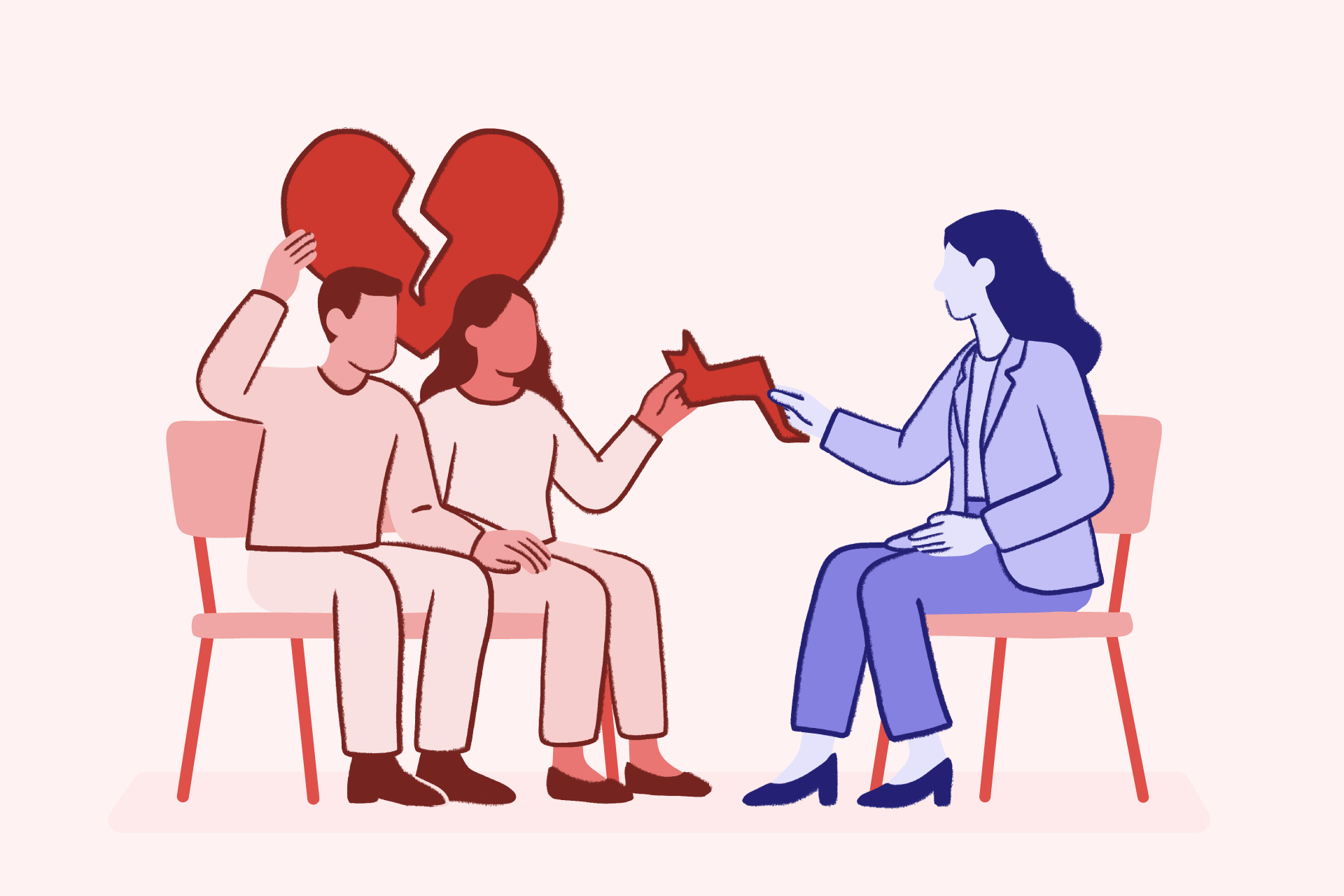
Cheating recovery programs can also offer support for those dealing with a sexual addiction. Through family sessions and couples counseling, you’ll learn that the cheating is a sign of a larger problem that you can overcome together.
Repeated cheating or compulsive sexual behavior can cause deep pain, confusion, and disruption in a relationship. But these behaviors are often symptoms of underlying emotional struggles, mental health conditions, or patterns that have gone unaddressed for years. With the right support, many people are able to reduce compulsive behaviors, rebuild healthier connections, and make informed decisions about the future of their relationships.
Treatment programs, individual therapy, and couples counseling can help partners gain clarity, set boundaries, and work toward healing. Whether you hope to repair your relationship or focus on your own recovery, you do not have to navigate this alone. There are compassionate, evidence-based resources available to help you move forward.
Get the Support You Need Now
If you’re ready to explore support for compulsive cheating, sexual addiction, or relationship healing, Recovery.com can help you take the next step.
Compare trusted centers, find specialized programs, and connect with care that aligns with your needs.
Healing begins with information you can trust. Let us help you find the support that fits your journey.













Our Promise
How Is Recovery.com Different?
We believe everyone deserves access to accurate, unbiased information about mental health and recovery. That's why we have a comprehensive set of treatment providers and don't charge for inclusion. Any center that meets our criteria can list for free. We do not and have never accepted fees for referring someone to a particular center. Providers who advertise with us must be verified by our Research Team and we clearly mark their status as advertisers.
Our goal is to help you choose the best path for your recovery. That begins with information you can trust.