Find Treatment By
Rehabs by Location


Learn
About Us
Recovery.com combines independent research with expert guidance on addiction and mental health treatment. Our mission is to help everyone find the best path to recovery through the most comprehensive, helpful network of treatment providers worldwide.
Advisory Council
Our advisory council brings together leaders in behavioral health, technology, and business. Their diverse expertise ensures our resources and product are innovative, evidence-based, and effective. They guide our mission as accomplished individuals dedicated to improving the landscape of addiction recovery and mental wellness.
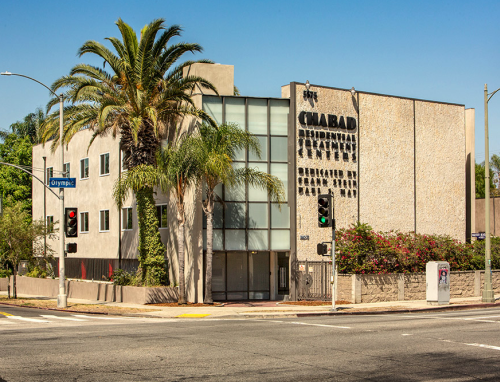
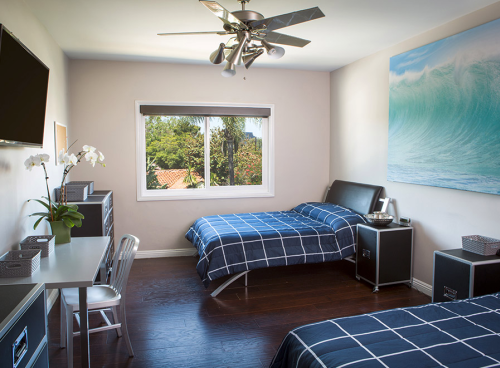

About Chabad Treatment Center
Located in Los Angeles, Chabad Treatment Center aims to help clients break free from substance abuse through connection with and emphasis on the Jewish Torah and the Jewish community. They offer inpatient and outpatient services. Residential clients will have the opportunity to participate in 1-on-1 and group therapy, spiritual counseling, recovery counseling, educational and motivational groups, family therapy, prayer and meditation, 12-Step meetings, and volunteering opportunities. Most of these therapies are also offered to outpatient clients, as well. Chabad Treatment Center additionally offers a wide variety of experiential therapies and activities like tai chi classes, physical fitness, beach outings, hiking, and art therapy. Chabad also provides sober living and aftercare options. On-site sober living is available to their 3 month graduates. Chabad’s alumni support includes ongoing counseling, sober birthday and holiday celebrations, alumni groups, and networking.
Spirituality has always been a core component of Chabad’s treatment. Chabad welcomes people from all backgrounds and affiliations and is dedicated to meeting the spiritual needs of all of their clients. Their food is Glatt kosher and Chalov Yisroel. Their Los Angeles location is conveniently located in the Miracle Mile district near parks, beaches, and shops. Chabad Treatment Center is Joint Commission accredited and accepts private insurance.
Center Overview
Supportive Medication for Recovery
Medication-Assisted Treatment (MAT) is an evidence-based approach that pairs FDA-approved medications with counseling to treat addiction. The medications are used to reduce cravings, ease withdrawal symptoms, or block the effects of substances. More about MAT
This center accepts patients receiving MAT prescribed elsewhere for opioid use disorder, but does not prescribe it.
This center accepts patients receiving MAT prescribed elsewhere for alcohol use disorder, but does not prescribe it.
Note: Treatment centers offer different forms of MAT—such as oral tablets, dissolvable films, or monthly injections—and their policies can vary based on state regulations, provider preferences, and insurance coverage. Because of these differences, it's best to contact the center directly to learn what options are available and what might be right for your situation.
Insurance Accepted




Cash Pay Rates
Levels of Care

