Casa Recovery
Verified Center
This provider's information has been quality-checked by Recovery.com's Research Team for accuracy and completeness, including center verification through appropriate third-party organizations.
Treatment Focus
This center treats substance use disorders and mental health conditions. You'll receive individualized care catered to your unique situation and diagnosis, learn practical skills for recovery, and make new connections in a restorative environment.
Primary Level of Care
Treatment Focus
This center treats substance use disorders and mental health conditions. You'll receive individualized care catered to your unique situation and diagnosis, learn practical skills for recovery, and make new connections in a restorative environment.
Primary Level of Care
Provider's Policy
This center does not accept Medicaid and Medicare. Depending on your coverage, your insurance may cover all or most of your program at Casa Recovery. Insurance companies also cover outpatient services to clients who live nearby and need a more flexible option (day and evening outpatient programs now available). We verify your benefits with your insurance company at no charge with no obligation to enter our program. Your coverage may include a copay, which we will explain after verifying. Once verified, we make plans for you to come into our program. It is usually a 1-2 day process depending on where you are located. Unlike other programs, ours is all-inclusive. There are no hidden fees. We are in-network with Blue Shield of California.
Casa Recovery
Casa Recovery
About Casa Recovery
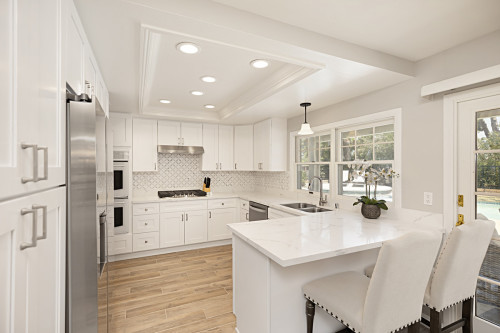
Casa Recovery is a private mental health and substance use treatment center that is small by design. For over 15 years, the family-owned facility has maintained its boutique approach, allowing their team to know each client’s name, story, and what they’re working toward. Their partial hospitalization and intensive outpatient programs have helped 4,000+ people address substance use, anxiety, depression, trauma, PTSD, bipolar, personality disorders, and co-occurring disorders.
Develop Tools for Lasting Change
Casa Recovery uses a variety of evidence-based therapies to support healing of the mind, body, and spirit. Among them, cognitive behavioral therapy (CBT) and dialectical behavior therapy (DBT) are two powerful approaches that help clients identify and shift unhelpful thought patterns and build emotional regulation and mindfulness skills. Each individualized treatment plan includes at least 4 one-on-one sessions per week, as well as holistic practices like yoga, guided meditation, breathwork, nutrition classes, and fitness training.
Choose Treatment That Combines Intensity with Flexibility
Casa Recovery’s partial hospitalization program (PHP) is a step between inpatient care and outpatient therapy. Their PHP provides 6 hours of programming Monday through Friday during the day, ideal for clients who need daily structure and therapeutic support without full-time residential care. Casa Recovery welcomes PHP clients from out of state and helps them secure structured, supportive living options with private and semi-private accommodations.
Step Down to Intensive Outpatient Care
To boost the potential for long-term recovery, Casa Recovery’s continuum of care includes an intensive outpatient program (IOP). Clients spend a few hours in treatment three or more days per week while living at home. The IOP includes individual and group counseling sessions, as well as psychoeducation to help clients better understand their thoughts, emotions, and behaviors.

Highlights from the Center
Highlights
These highlights are provided by and paid for by the center.
Co-Occurring Disorders Treatment
Private Rooms Available
Mental Health Disorder Treatment
Trauma Treatment
Center Overview
Treatment Focus
This center treats substance use disorders and mental health conditions. You'll receive individualized care catered to your unique situation and diagnosis, learn practical skills for recovery, and make new connections in a restorative environment.
Joint Commission Accredited
The Joint Commission accreditation is a voluntary, objective process that evaluates and accredits healthcare organizations (like treatment centers) based on performance standards designed to improve quality and safety for patients. To be accredited means the treatment center has been found to meet the Commission's standards for quality and safety in patient care.
Insurance Accepted
Cash Pay Rates
Estimated Cash Pay Rate
Center pricing can vary based on program and length of stay. Contact the center for more information. Recovery.com strives for price transparency so you can make an informed decision.


Recovery.com Verified Listing
Recovery.com verified that the name, location, contact information and license to operate for this treatment provider are valid and up-to-date.

Joint Commission Accredited

Licensed by California DHCS

NAATP Member
Recovery.com is an independent, third-party mental health resource. Verification does not imply endorsement and does not guarantee the quality of treatment services.
Meet Your Care Team

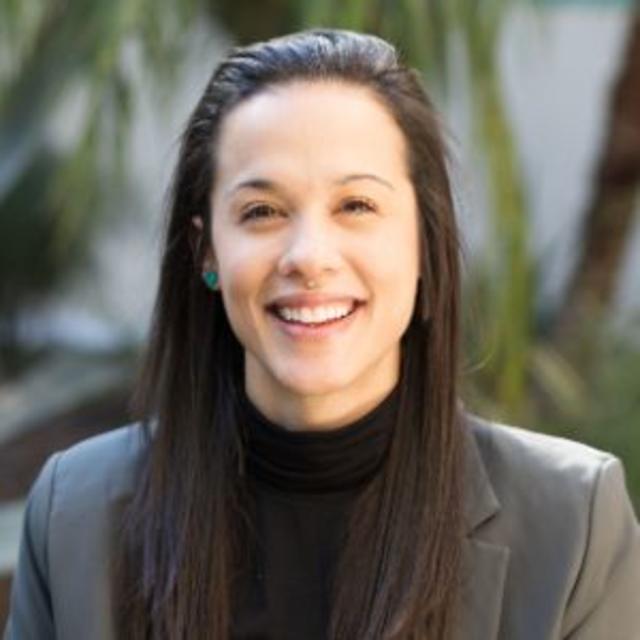
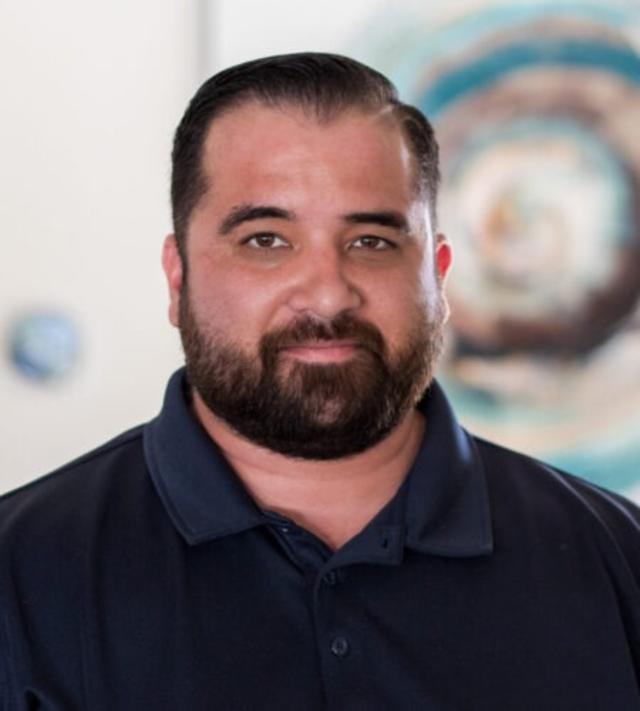
Krishna Jessick
Founder & Owner

Shonte Perluss
Chief Administrative Officer
Bachelor's Degree in Psychology

Sean Treacy
Chief Executive Officer/ Director of Admissions
Bachelor's Degree in Business Administration

Maryam Aziz
Executive Clinical Director
LCSW

Marsalee Malatesta
Clinical Supervisor
LCSW

Tiffany Congelliere
Director of Marketing & Strategic Partnerships/ Somatic Experiencing Practitioner
MBA, SEP

Dr. Randall Turner
Medical Director/ Psychiatrist
D.O.

Celeste Seiler
HR Administrative Director

Lynda Totah
Mental Health Nurse Practitioner
FNP-C, PMHNP-BC

Brynn Rydquist
Therapist
LPCC

Karin Draper
Therapist
LMFT

Daniel Jimmerson
Therapist
LPCC, CADC

Jeremiah Wright
Therapist
APCC

Alysha Orecchia
Art & Recreational Therapist
MA, ATR-BC

Lisa Yee
Practicum Intern

Jeanne Gettys
Medical Concierge
SUDRC

Amanda Irrgang
Dieticion
RD

Aster Robarge
Case Manager/ Alumni Coordinator
SUDRC

Lauran Brown
Case Manager
SUDRC

Alea Southard
Group Facilitator
RADT

MaryAnn Vaughn
Group Facilitator

Bernie Wolfe
Personal Trainer

Sarah Boon
Group Facilitator

Sandy Szemenyei
Breathworks Group Facilitator
CADC-II

Courtney Parkyn
Group Facilitator
E-RYT 500, SUDRC

Dom Narigi
Operations Manager

Max
Director of Emotional Support and Cuddles
Supportive Medication for Recovery
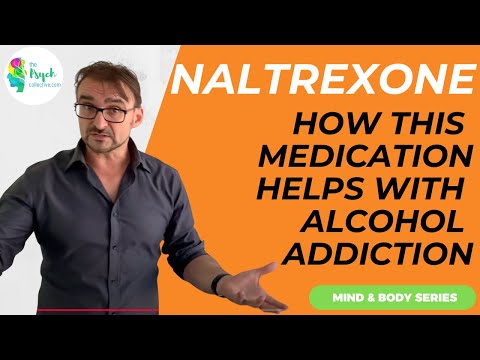
Medication-Assisted Treatment (MAT) is an evidence-based approach that pairs FDA-approved medications with counseling to treat addiction. The medications are used to reduce cravings, ease withdrawal symptoms, or block the effects of substances. More about MAT
Methadone
Naltrexone
Buprenorphine
This center accepts patients receiving MAT prescribed elsewhere for opioid use disorder, but does not provide MAT.
Note: Treatment centers offer different forms of MAT—such as oral tablets, dissolvable films, or monthly injections—and their policies can vary based on state regulations, provider preferences, and insurance coverage. Because of these differences, it's best to contact the center directly to learn what options are available and what might be right for your situation.
Your Care Options
Specializations
Day Treatment
Also commonly called PHP, patients may live at home or in a recovery residence while following an intensive treatment program. Most have a weekly schedule of M–F and 4 to 6 hours per day.
Anxiety
Anxiety is a common mental health condition that can include excessive worry, panic attacks, physical tension, and increased blood pressure.
Bipolar
This mental health condition is characterized by extreme mood swings between depression, mania, and remission.
Depression
Symptoms of depression may include fatigue, a sense of numbness, and loss of interest in activities. This condition can range from mild to severe.
Intensive Outpatient Program
In an IOP, patients live at home or a sober living, but attend treatment typically 9-15 hours a week. Most programs include talk therapy, support groups, and other methods.
LGBTQ+
Addiction and mental illnesses in the LGBTQ+ community must be treated with an affirming, safe, and relevant approach, which many centers provide.
Outpatient
During outpatient rehab, patients attend a structured treatment program while continuing to live at home.
Trauma
Some traumatic events are so disturbing that they cause long-term mental health problems. Those ongoing issues can also be referred to as "trauma."
Who We Treat
Older Adults
Addiction and mental health treatment caters to adults 55+ and the age-specific challenges that can come with recovery, wellness, and overall happiness.
Executives
Executive treatment programs typically directly support the needs of people who manage businesses and may provide flexible schedules and office space to allow work during treatment.
LGBTQ+
Addiction and mental illnesses in the LGBTQ+ community must be treated with an affirming, safe, and relevant approach, which many centers provide.
Men and Women
Men and women attend treatment for addiction in a co-ed setting, going to therapy groups together to share experiences, struggles, and successes.
Midlife Adults
For adults ages 40+, treatment shifts to focus on the unique challenges, blocks, and risk factors of their age group, and unites peers in a similar community.
Treatment Services
Accepts Patients with Prescribed Medications for Alcohol Use Disorder
The provider accepts patients with prescribed medications for addiction treatment, also known as Medication-Assisted Treatment (MAT), for alcohol use.
Accepts Patients with Prescribed Medications for Opioid Use Disorder
The provider accepts patients with prescribed medications for addiction treatment, also known as Medication-Assisted Treatment (MAT), for opioid use.
Day Treatment
Also commonly called PHP, patients may live at home or in a recovery residence while following an intensive treatment program. Most have a weekly schedule of M–F and 4 to 6 hours per day.
Intensive Outpatient Program
In an IOP, patients live at home or a sober living, but attend treatment typically 9-15 hours a week. Most programs include talk therapy, support groups, and other methods.
Licensed Primary Mental Health
Some primary care providers offer mental health diagnosis and treatment. This can prevent patients from developing more serious conditions.
Outpatient
During outpatient rehab, patients attend a structured treatment program while continuing to live at home.
Prescribes Medications for Alcohol Use Disorder
The provider prescribes medications for addiction treatment, also known as Medication-Assisted Treatment (MAT), for alcohol use.
Prescribes Medications for Opioid Use Disorder
The provider prescribes medications for addiction treatment, also known as Medication-Assisted Treatment (MAT), for opioid use.
Sober Living
These structured living environments help people transition out of rehab. Residents have more freedom than they do during rehab, but still follow certain rules.
Approaches
Evidence-Based
A combination of scientifically rooted therapies and treatments make up evidence-based care, defined by their measured and proven results.
Holistic
A non-medicinal, wellness-focused approach that aims to align the mind, body, and spirit for deep and lasting healing.
Personalized Treatment
The specific needs, histories, and conditions of individual patients receive personalized, highly relevant care throughout their recovery journey.
Therapies
1-on-1 Counseling
Patient and therapist meet 1-on-1 to work through difficult emotions and behavioral challenges in a personal, private setting.
Acceptance and Commitment Therapy (ACT)
This cognitive behavioral therapy teaches patients to accept challenging feelings and make the appropriate changes to reach personal goals.
Animal Therapy
Animals can inspire trust and self-worth. In this experiential therapy, guided interactions are used to improve social skills and emotion regulation.
Art Therapy
Visual art invites patients to examine the emotions within their work, focusing on the process of creativity and its gentle therapeutic power.
Attachment-Based Family Therapy
ABFT is a trauma-focused therapy that teaches you to form healthy relationships by rebuilding trust and healing attachment issues formed in childhood.
Couples Counseling
Partners work to improve their communication patterns, using advice from their therapist to better their relationship and make healthy changes.
Experiential Therapy
With this approach, patients heal by doing. Therapists help patients process difficult emotions to speak, using guided activities like art or dance.
Languages
Conditions We Treat
ADHD, ADD
ADHD is a common mental health condition caused by dopamine imbalance. Common symptoms include inattention, hyperactivitiy, and impulsivity.
Anger
Although anger itself isn't a disorder, it can get out of hand. If this feeling interferes with your relationships and daily functioning, treatment can help.
Anxiety
Anxiety is a common mental health condition that can include excessive worry, panic attacks, physical tension, and increased blood pressure.
Bipolar
This mental health condition is characterized by extreme mood swings between depression, mania, and remission.
Burnout
Burnout entails mental and physical exhaustion, and leads to a severe lack of fulfillment. This condition is often caused by overwork.
Codependency
Codependency is a pattern of emotional dependence and controlling behavior. It's most common among people with addicted loved ones.
Depression
Symptoms of depression may include fatigue, a sense of numbness, and loss of interest in activities. This condition can range from mild to severe.
Gambling
Excessive, repetitive gambling causes financial and interpersonal problems. This addiction can interfere with work, friendships, and familial relationships.
Grief and Loss
Grief is a natural reaction to loss, but severe grief can interfere with your ability to function. You can get treatment for this condition.
Substances We Treat
Alcohol
Using alcohol as a coping mechanism, or drinking excessively throughout the week, signals an alcohol use disorder.
Benzodiazepines
Benzodiazepines are prescribed to treat anxiety and sleep issues. They are highly habit forming, and their abuse can cause mood changes and poor judgement.
Chronic Relapse
Consistent relapse occurs repeatedly, after partial recovery from addiction. This condition requires long-term treatment.
Co-Occurring Disorders
A person with multiple mental health diagnoses, such as addiction and depression, has co-occurring disorders also called dual diagnosis.
Cocaine
Cocaine is a stimulant with euphoric effects. Agitation, muscle ticks, psychosis, and heart issues are common symptoms of cocaine abuse.
Drug Addiction
Drug addiction is the excessive and repetitive use of substances, despite harmful consequences to a person's life, health, and relationships.
Ecstasy
Ecstasy is a stimulant that causes intense euphoria and heightened awareness. Abuse of this drug can trigger depression, insomnia, and memory problems.
Heroin
Heroin is a highly addictive and illegal opioid. It can cause insomnia, collapsed veins, heart issues, and additional mental health issues.
Aftercare
Care Designed for Your Needs
Personal Amenities
Amenities
Special Considerations
Gender-specific groups
Patients in gender-specific groups gain the opportunity to discuss challenges unique to their gender in a comfortable, safe setting conducive to healing.
Flexible technology policies
Centers with flexible technology policies allow professionals to stay in touch with work and give patients a greater sense of connection and normalcy.
Executive Program
Addiction and mental health treatment for executives typically involves high discretion, greater technology access, and more private, 1-on-1 care.
Activities
Yoga
Yoga is both a physical and spiritual practice. It includes a flow of movement, breathing techniques, and meditation.
Off-Site Activities
Yoga
Yoga is both a physical and spiritual practice. It includes a flow of movement, breathing techniques, and meditation.
Off-Site Amenities
Learn More About the Center
Specialized Treatment for LGBTQIA+ Clients
Read about Casa Recovery’s identity-affirming care with specialized support designed for LGBTQIA+ clients.
Why Dual Diagnosis Treatment Is Essential
Explore why treating mental health and substance use together strengthens long-term recovery outcomes.
The Importance of Family Involvement
Strengthen healing by involving family in recovery through coaching, therapy, education, and support groups.
Trauma-Informed Care
Understand how Casa Recovery creates safety, trust, and lasting emotional healing.