Calusa Recovery
Verified Center
This provider's information has been quality-checked by Recovery.com's Research Team for accuracy and completeness, including center verification through appropriate third-party organizations.
Treatment Focus
This center treats substance use disorders and co-occurring mental health conditions. Your treatment plan addresses each condition at once with personalized, compassionate care for comprehensive healing.
Primary Level of Care
Outpatient treatment offers flexible therapeutic and medical care without the need to stay overnight in a hospital or inpatient facility. Some centers offer intensive outpatient program (IOP), which falls between inpatient care and traditional outpatient service.
Treatment Focus
This center treats substance use disorders and co-occurring mental health conditions. Your treatment plan addresses each condition at once with personalized, compassionate care for comprehensive healing.
Primary Level of Care
Outpatient treatment offers flexible therapeutic and medical care without the need to stay overnight in a hospital or inpatient facility. Some centers offer intensive outpatient program (IOP), which falls between inpatient care and traditional outpatient service.
Provider's Policy
If you have any questions about insurance and addiction treatment at Calusa Recovery, call us today. Our friendly advisers are happy to offer advice or help you verify coverage.
About Calusa Recovery
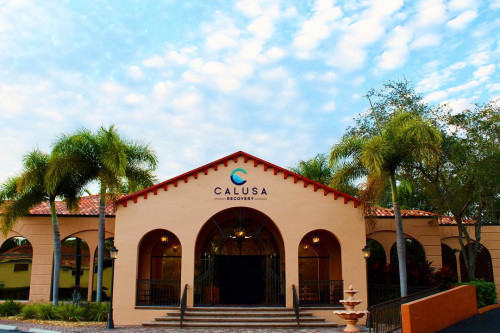
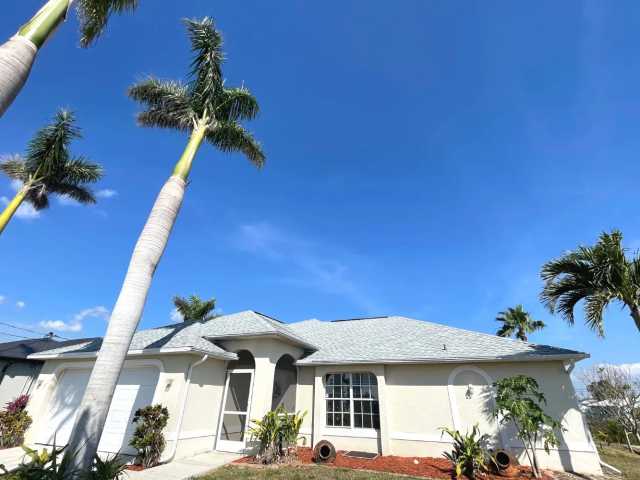
A brighter, happier future can take shape through flexible outpatient care at Calusa Recovery, an addiction and mental health treatment center in Fort Myers, Florida. Calusa treats substance use, dual diagnosis, and mental health concerns through partial hospitalization program (PHP), intensive outpatient program (IOP), outpatient, virtual care, and supportive housing. Their program offers both day and evening treatment options, mind-body wellness services, and weekly adventures near the beach.
Address Healing from Multiple Angles
Calusa Recovery takes a tailored, whole-person approach that addresses the physical, emotional, mental, and spiritual parts of healing. Therapy helps clients understand patterns behind substance use and mental health symptoms, strengthen coping skills, improve relationships, and prepare for relapse risks. Care may include individual, group, and family sessions, along with cognitive behavioral therapy (CBT), dialectical behavior therapy (DBT), motivational interviewing, trauma-focused treatment, psychiatric support, and wellness practices.
Add Structure While Staying Local
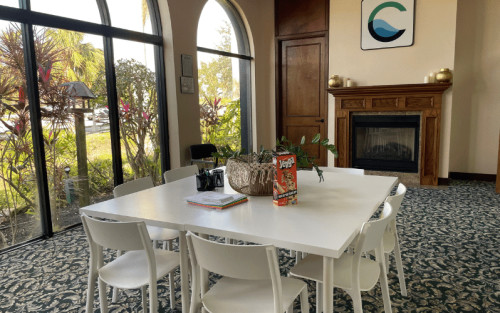
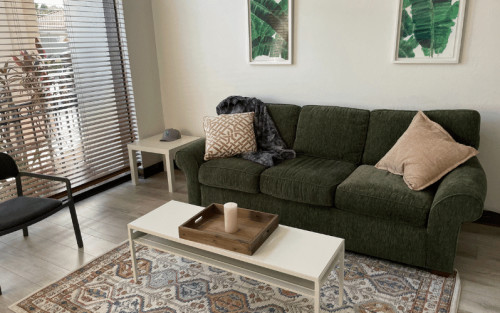
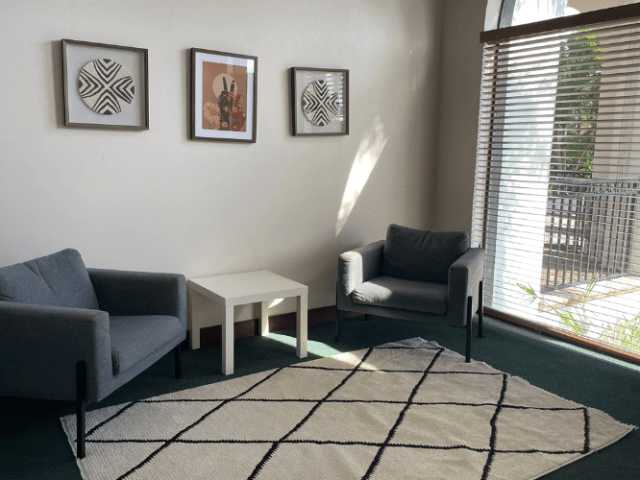
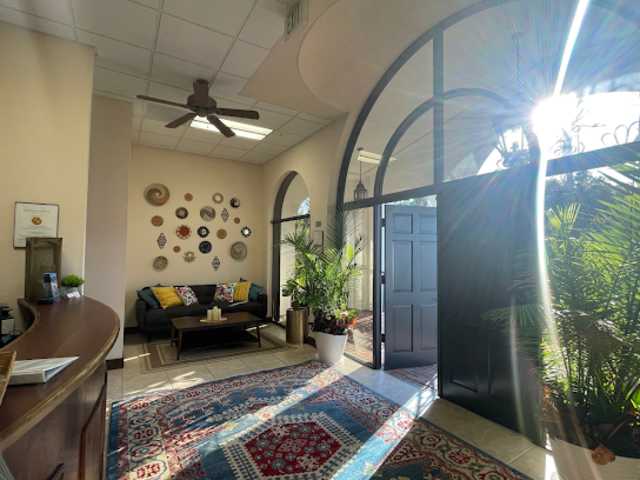
Clients can attend treatment in a modern Fort Myers outpatient setting with group rooms, private therapy offices, a snack bar and kitchen, onsite lunch, and device-friendly spaces. Calusa Recovery also provides transportation services and access to daily recovery meetings. Clients who need more structure can pair outpatient care with Florida Association of Recovery Residences (FARR)-certified sober living near the beach, available through Calusa Recovery.
Coordinate the Right Level of Care
Calusa Recovery does not provide inpatient or residential treatment onsite, but their team can help clients access a higher level of care when needed. They assist with assessments, referrals, and coordination through a trusted network of accredited inpatient providers, considering each client’s clinical needs, treatment history, and insurance coverage.

Center Overview
Treatment Focus
This center treats substance use disorders and co-occurring mental health conditions. Your treatment plan addresses each condition at once with personalized, compassionate care for comprehensive healing.
Joint Commission Accredited
The Joint Commission accreditation is a voluntary, objective process that evaluates and accredits healthcare organizations (like treatment centers) based on performance standards designed to improve quality and safety for patients. To be accredited means the treatment center has been found to meet the Commission's standards for quality and safety in patient care.
Insurance Accepted

Pricing and Program Length
Estimated Center Costs
The cost listed here ($250-10,000), is an estimate of program cost. Center price can vary based on program and length of stay. Contact the center for more information. Recovery.com strives for price transparency so you can make an informed decision.


Recovery.com Verified Listing
Recovery.com verified that the name, location, contact information and license to operate for this treatment provider are valid and up-to-date.
Joint Commission Accredited
Licensed by Florida DCF
Recovery.com is an independent, third-party mental health resource. Verification does not imply endorsement and does not guarantee the quality of treatment services.
Meet Your Care Team

Daniel Regan
Founder & CEO
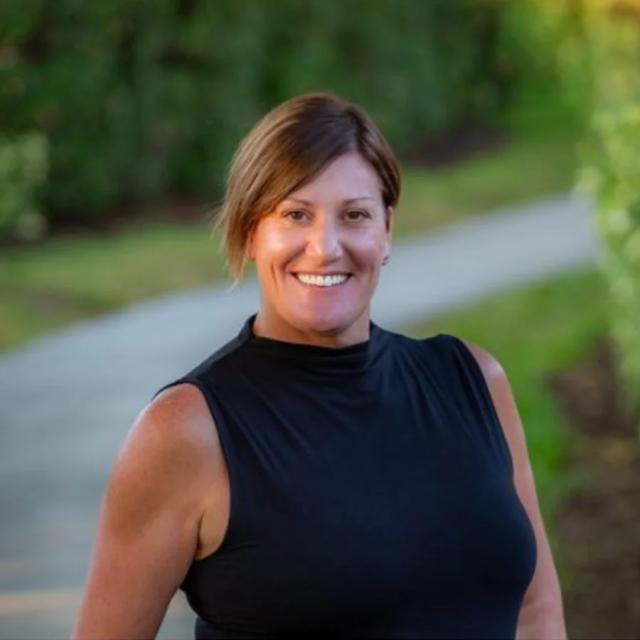
Jodi Walls
Clinical Director
LMHC

Ashley Regan
FARR Representative
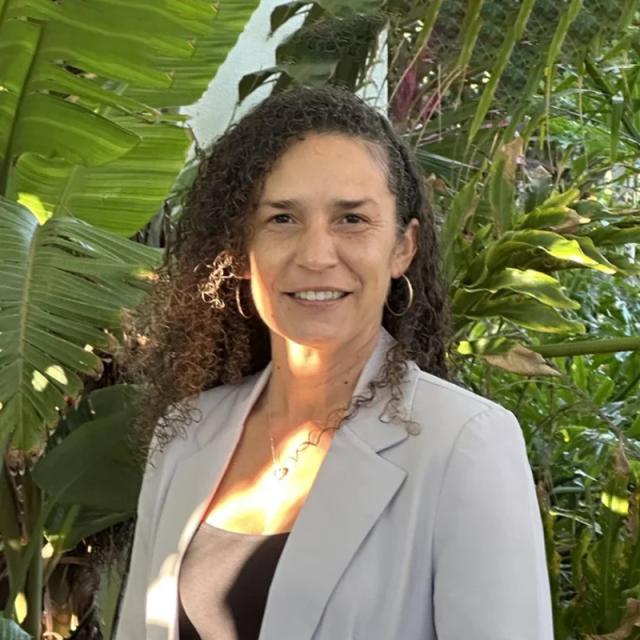
Jannette Pressey
Office Manager
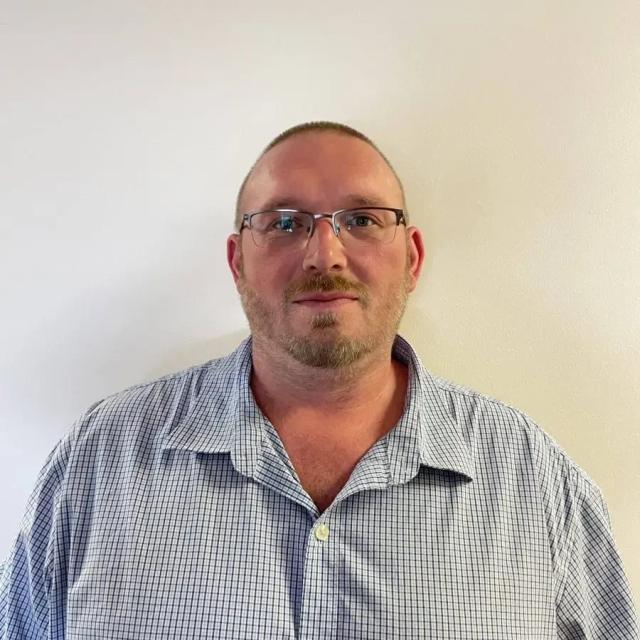
John Bachmann
Your Care Options
Specializations
Day Treatment
Also commonly called PHP, patients may live at home or in a recovery residence while following an intensive treatment program. Most have a weekly schedule of M–F and 4 to 6 hours per day.
Adventure Therapy
This experiential approach uses the physical and emotional challenges of outdoor activities as tools for personal growth.
Alcohol
Using alcohol as a coping mechanism, or drinking excessively throughout the week, signals an alcohol use disorder.
Anxiety
Anxiety is a common mental health condition that can include excessive worry, panic attacks, physical tension, and increased blood pressure.
Depression
Symptoms of depression may include fatigue, a sense of numbness, and loss of interest in activities. This condition can range from mild to severe.
Drug Addiction
Drug addiction is the excessive and repetitive use of substances, despite harmful consequences to a person's life, health, and relationships.
Holistic
A non-medicinal, wellness-focused approach that aims to align the mind, body, and spirit for deep and lasting healing.
Intensive Outpatient Program
In an IOP, patients live at home or a sober living, but attend treatment typically 9-15 hours a week. Most programs include talk therapy, support groups, and other methods.
Who We Treat
Treatment Services
Day Treatment
Also commonly called PHP, patients may live at home or in a recovery residence while following an intensive treatment program. Most have a weekly schedule of M–F and 4 to 6 hours per day.
Intensive Outpatient Program
In an IOP, patients live at home or a sober living, but attend treatment typically 9-15 hours a week. Most programs include talk therapy, support groups, and other methods.
Outpatient
During outpatient rehab, patients attend a structured treatment program while continuing to live at home.
Sober Living
These structured living environments help people transition out of rehab. Residents have more freedom than they do during rehab, but still follow certain rules.
Approaches
Medical
Medical addiction treatment uses approved medications to manage withdrawals and cravings, and to treat contributing mental health conditions.
Twelve Step
Incorporating spirituality, community, and responsibility, 12-Step philosophies prioritize the guidance of a Higher Power and a continuation of 12-Step practices.
Therapies
1-on-1 Counseling
Patient and therapist meet 1-on-1 to work through difficult emotions and behavioral challenges in a personal, private setting.
Family Therapy
Family therapy addresses group dynamics within a family system, with a focus on improving communication and interrupting unhealthy relationship patterns.
Life Skills
Teaching life skills like cooking, cleaning, clear communication, and even basic math provides a strong foundation for continued recovery.
Relapse Prevention Counseling
Relapse prevention counselors teach patients to recognize the signs of relapse and reduce their risk.
Trauma-Specific Therapy
This form of talk therapy addresses any childhood trauma at the root of a patient's current diagnosis.
Yoga
Yoga is both a physical and spiritual practice. It includes a flow of movement, breathing techniques, and meditation.
Languages
Conditions We Treat
ADHD, ADD
ADHD is a common mental health condition caused by dopamine imbalance. Common symptoms include inattention, hyperactivitiy, and impulsivity.
Anger
Although anger itself isn't a disorder, it can get out of hand. If this feeling interferes with your relationships and daily functioning, treatment can help.
Chronic Pain Management
Long-term physical pain can have an affect on mental health. Without support, it can also impact your daily life and even lead to addiction.
Depression
Symptoms of depression may include fatigue, a sense of numbness, and loss of interest in activities. This condition can range from mild to severe.
Post Traumatic Stress Disorder
PTSD is a long-term mental health issue caused by a disturbing event or events. Symptoms include anxiety, dissociation, flashbacks, and intrusive thoughts.
Trauma
Some traumatic events are so disturbing that they cause long-term mental health problems. Those ongoing issues can also be referred to as "trauma."
Substances We Treat
Alcohol
Using alcohol as a coping mechanism, or drinking excessively throughout the week, signals an alcohol use disorder.
Benzodiazepines
Benzodiazepines are prescribed to treat anxiety and sleep issues. They are highly habit forming, and their use can cause mood changes and poor judgement.
Chronic Relapse
Consistent relapse occurs repeatedly, after partial recovery from addiction. This condition requires long-term treatment.
Co-Occurring Disorders
A person with multiple mental health diagnoses, such as addiction and depression, has co-occurring disorders also called dual diagnosis.
Cocaine
Cocaine is a stimulant with euphoric effects. Agitation, muscle ticks, psychosis, and heart issues are common symptoms of cocaine use.
Drug Addiction
Drug addiction is the excessive and repetitive use of substances, despite harmful consequences to a person's life, health, and relationships.
Ecstasy
Ecstasy is a stimulant that causes intense euphoria and heightened awareness. Use of this drug can trigger depression, insomnia, and memory problems.
Heroin
Heroin is a highly addictive and illegal opioid. It can cause insomnia, collapsed veins, heart issues, and additional mental health issues.
Care Designed for Your Needs
Personal Amenities
Special Considerations
Activities
Yoga
Yoga is both a physical and spiritual practice. It includes a flow of movement, breathing techniques, and meditation.
Off-Site Activities
Learn More About the Center
How Long-Term Recovery Works
Discover how lasting recovery builds through structure and steady personal growth.
When Drinking Impacts Mental Health
Learn how alcohol can affect emotional well-being and when support may help.
Anxiety Disorders: When Professional Help Is Needed
Recognize when anxiety needs professional care and what treatment can offer.
Inpatient vs. Outpatient Mental Health Treatment
Compare mental health treatment options to find care that fits daily life.