BriteLife Recovery Pennsylvania
Verified Center
This provider's information has been quality-checked by Recovery.com's Research Team for accuracy and completeness, including center verification through appropriate third-party organizations.
Treatment Focus
This center treats substance use disorders and co-occurring mental health conditions. Your treatment plan addresses each condition at once with personalized, compassionate care for comprehensive healing.
Primary Level of Care
Offering intensive care with 24/7 monitoring, residential treatment is typically 30 days and can cover multiple levels of care. Length can range from 14 to 90 days typically.
Treatment Focus
This center treats substance use disorders and co-occurring mental health conditions. Your treatment plan addresses each condition at once with personalized, compassionate care for comprehensive healing.
Primary Level of Care
Offering intensive care with 24/7 monitoring, residential treatment is typically 30 days and can cover multiple levels of care. Length can range from 14 to 90 days typically.
Provider's Policy
We accept most major insurance and are also in-network with VACCN, Independence Blue Cross Blue Shield, Capital BCBS, and Optum
BriteLife Recovery Pennsylvania
About BriteLife Recovery Pennsylvania
Underneath the substance use, underneath the anxiety and depression that so often travel alongside it, there's almost always a quieter story: relationships that frayed, a body that stopped feeling safe, a self that got lost somewhere along the way. Someone can detox a body in a week. Rebuilding the relationships that make life worth staying sober for takes something more.
A Different Way to Think About Recovery
Their model is built on a single idea: healing happens in connection. Not just to other people, but to five relationships that quietly shape every part of how one lives. With oneself, through emotional literacy, nervous system awareness, and the rediscovery of who someone actually is underneath the noise. With others, through small experiential groups in gender specific settings where attachment patterns, shame, and trust get worked out in real time. With one’s body, through yoga, meditation, art therapy, and integrative wellness practices that retrain a nervous system spent years in survival mode to remember what calm feels like. With nature, through nature-informed therapy, a structured, evidence based curriculum led by certified clinicians that uses the natural world to rewire how the nervous system responds to stress and connection. With meaning, through acceptance and commitment therapy that helps one clarify what actually matters and start moving toward it.
Where Substance Use and Mental Health Are Treated as One Story
The Hanover campus is the location in their network with the deepest psychiatric capability. Beyond addiction treatment, they offer dedicated inpatient mental health programming for depression, anxiety, bipolar disorder, and other conditions, with regular access to psychiatric evaluation and medication management woven into the experience. This matters because the lines between substance use and mental health are almost never clean. The drinking that started as a way to quiet the anxiety. The pills that began as a response to depression no one knew how to name. At Hanover, one doesn’t have to choose which problem to treat first. They treat both at the same time, in the same place, with the same team.
A Campus That Feels More Like a Retreat Than a Hospital
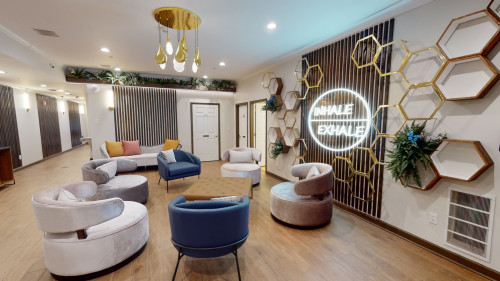
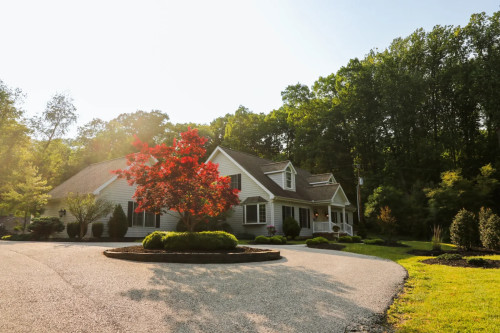
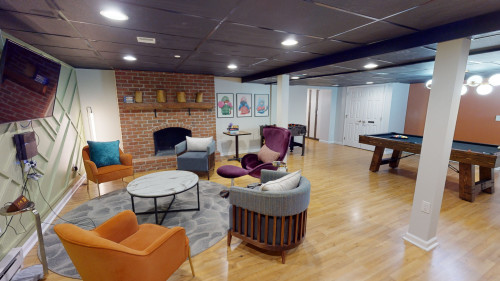
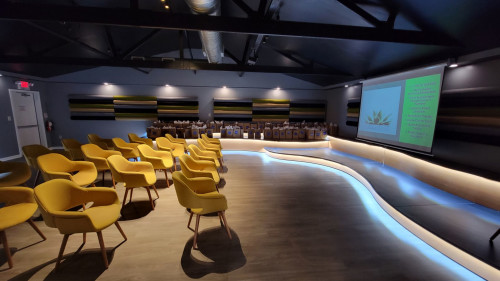
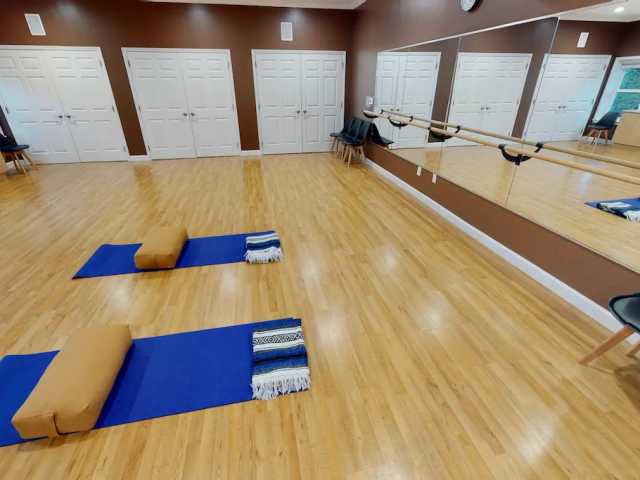
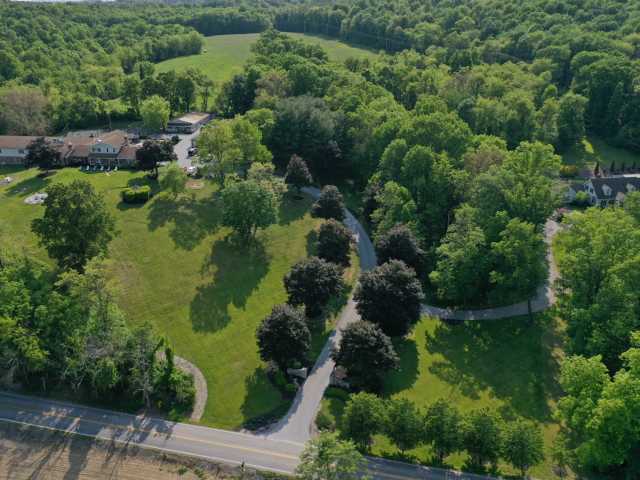
The Hanover campus sits on expansive grounds in south central Pennsylvania, easily reachable from Baltimore, Harrisburg, Lancaster, and York. Multiple buildings house treatment, comfortable accommodations, an auditorium, and spacious group rooms. Outside, there's a pool, gardens, walking paths, and outdoor space designed for the kind of unhurried recovery work that a clinical setting can't support. Inside, gourmet meals from our executive chef and a fitness center round out the daily rhythm. The clinical work matches the setting. Clients have individual therapy alongside extensive group programming, all held in small groups so no one disappears in the room. From day one, the case manager is already building an aftercare plan, because what happens after someone leaves matters as much as what happens while they’re here.

Highlights from the Center
Highlights
These highlights are provided by and paid for by the center.
Customized Treatment Plans
Holistic Approach
Certified Professionals
Executive Treatment
Center Overview
Treatment Focus
This center treats substance use disorders and co-occurring mental health conditions. Your treatment plan addresses each condition at once with personalized, compassionate care for comprehensive healing.
Joint Commission Accredited
The Joint Commission accreditation is a voluntary, objective process that evaluates and accredits healthcare organizations (like treatment centers) based on performance standards designed to improve quality and safety for patients. To be accredited means the treatment center has been found to meet the Commission's standards for quality and safety in patient care.
Insurance Accepted
Cash Pay Rates

Estimated Cash Pay Rate
Center pricing can vary based on program and length of stay. Contact the center for more information. Recovery.com strives for price transparency so you can make an informed decision.


Recovery.com Verified Listing
Recovery.com verified that the name, location, contact information and license to operate for this treatment provider are valid and up-to-date.
Joint Commission Accredited

Licensed by Pennsylvania
Recovery.com is an independent, third-party mental health resource. Verification does not imply endorsement and does not guarantee the quality of treatment services.
Meet Your Care Team
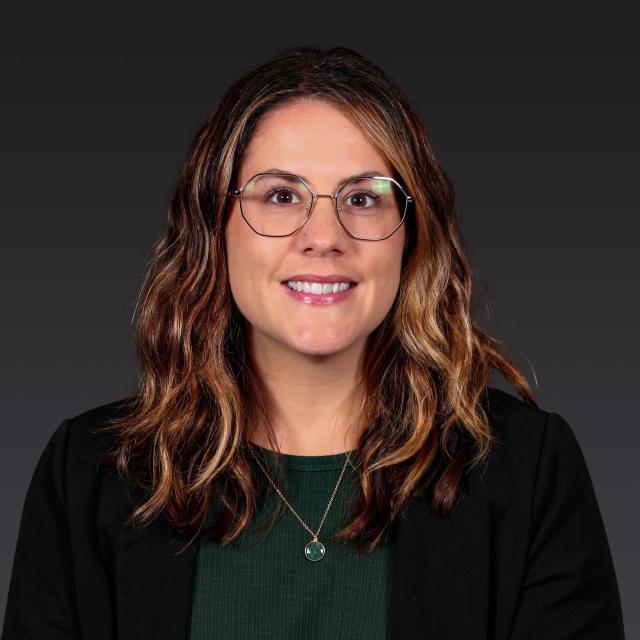
Dana Kaufman
Executive Director

Tanya Felix
Director of Nursing

Keith Stromberg
Director of Operations

Dan Morgan
BHT Supervisor

Dr. Boatwright
Medical Director

Lindsey Fultz
Client Services Supervisor
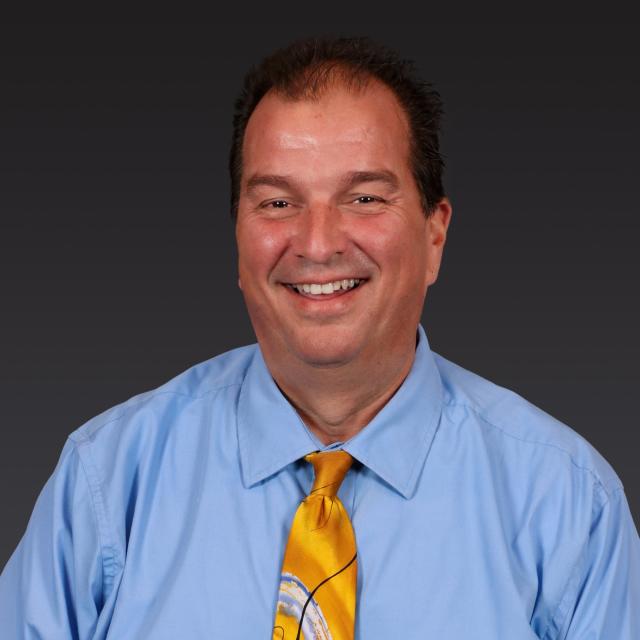
Randy Trauger
VP of Business Development Strategy

Ed Chionchio
Sr. Business Development Director

Ryan Osterlof
Business Development Director

Bevin Stepp
Business Development Director
Supportive Medication for Recovery
Medication-Assisted Treatment (MAT) is an evidence-based approach that pairs FDA-approved medications with counseling to treat addiction. The medications are used to reduce cravings, ease withdrawal symptoms, or block the effects of substances. More about MAT
Methadone
Naltrexone
Buprenorphine
Note: Treatment centers offer different forms of MAT—such as oral tablets, dissolvable films, or monthly injections—and their policies can vary based on state regulations, provider preferences, and insurance coverage. Because of these differences, it's best to contact the center directly to learn what options are available and what might be right for your situation.
Your Care Options
Specializations
Alcohol
Using alcohol as a coping mechanism, or drinking excessively throughout the week, signals an alcohol use disorder.
Detox
Detox fully and safely removes toxic substances from the body, allowing the next steps in treatment to begin with a clean slate.
Benzodiazepines
Benzodiazepines are prescribed to treat anxiety, insomnia, and seizures. They can be habit-forming and may cause drowsiness, memory problems, and dependence.
Cocaine
Cocaine is a stimulant with euphoric effects. Agitation, muscle ticks, psychosis, and heart issues are common symptoms of cocaine use.
Family Involvement
Providers involve family in the treatment of their loved one through family therapy, visits, or both–because addiction is a family disease.
Holistic
A non-medicinal, wellness-focused approach that aims to align the mind, body, and spirit for deep and lasting healing.
Opioids
Opioids produce pain-relief and euphoria, which can lead to addiction. This class of drugs includes prescribed medication and the illegal drug heroin.
Nature Therapy
Nature therapy uses time in natural environments to promote relaxation, emotional well-being, and connection with the outdoors.
Who We Treat
Men and Women
Men and women attend treatment for addiction in a co-ed setting, going to therapy groups together to share experiences, struggles, and successes.
Treatment Services
Detox
Detox fully and safely removes toxic substances from the body, allowing the next steps in treatment to begin with a clean slate.
Prescribes Medications for Opioid Use Disorder
This provider prescribes medications that help manage cravings, withdrawal symptoms, and recovery from opioid use disorder.
Residential
In a residential rehab program, patients live onsite, with access to daily treatment and 24-hour care. An average stay is 30-90 days.
Approaches
Evidence-Based
A combination of scientifically rooted therapies and treatments make up evidence-based care, defined by their measured and proven results.
Individual Treatment
Individual care meets the needs of each patient, using personalized treatment to provide them the most relevant care and greatest chance of success.
Personalized Treatment
The specific needs, histories, and conditions of individual patients receive personalized, highly relevant care throughout their recovery journey.
Therapies
1-on-1 Counseling
Patient and therapist meet 1-on-1 to work through difficult emotions and behavioral challenges in a personal, private setting.
Adventure Therapy
This experiential approach uses the physical and emotional challenges of outdoor activities as tools for personal growth.
Art Therapy
Visual art invites patients to examine the emotions within their work, focusing on the process of creativity and its gentle therapeutic power.
Family Therapy
Family therapy addresses group dynamics within a family system, with a focus on improving communication and interrupting unhealthy relationship patterns.
Life Skills
Teaching life skills like cooking, cleaning, clear communication, and even basic math provides a strong foundation for continued recovery.
Meditation & Mindfulness
A practiced state of mind that brings patients to the present. It allows them to become fully aware of themselves, their feelings, and the present moment.
Nutrition Counseling
Nutritious food helps patients heal from within, setting them up for mental and bodily wellness as they learn about healthy eating.
Recreation Therapy
In recreation therapy, recovery can be joyful. Patients practice social skills and work through emotional triggers by engaging in fun activities.
Relapse Prevention Counseling
Relapse prevention counselors teach patients to recognize the signs of relapse and reduce their risk.
Languages
Conditions We Treat
Anger
Although anger itself isn't a disorder, it can get out of hand. If this feeling interferes with your relationships and daily functioning, treatment can help.
Bipolar
This mental health condition is characterized by extreme mood swings between depression, mania, and remission.
Depression
Symptoms of depression may include fatigue, a sense of numbness, and loss of interest in activities. This condition can range from mild to severe.
Eating Disorders
An eating disorder is a long-term pattern of unhealthy behavior relating to food. Most people with eating disorders have a distorted self-image.
Post Traumatic Stress Disorder
PTSD is a long-term mental health issue caused by a disturbing event or events. Symptoms include anxiety, dissociation, flashbacks, and intrusive thoughts.
Substances We Treat
Alcohol
Using alcohol as a coping mechanism, or drinking excessively throughout the week, signals an alcohol use disorder.
Benzodiazepines
Benzodiazepines are prescribed to treat anxiety, insomnia, and seizures. They can be habit-forming and may cause drowsiness, memory problems, and dependence.
Co-Occurring Disorders
A person with multiple mental health diagnoses, such as addiction and depression, has co-occurring disorders also called dual diagnosis.
Cocaine
Cocaine is a stimulant with euphoric effects. Agitation, muscle ticks, psychosis, and heart issues are common symptoms of cocaine use.
Drug Addiction
Drug addiction is the excessive and repetitive use of substances, despite harmful consequences to a person's life, health, and relationships.
Heroin
Heroin is a highly addictive opioid that produces feelings of euphoria and relaxation. Its use carries serious risks, including overdose and dependence.
Methamphetamine
Methamphetamine is a powerful stimulant that increases energy and alertness. Repeated use can lead to addiction and significant physical and mental health risks.
Opioids
Opioids produce pain-relief and euphoria, which can lead to addiction. This class of drugs includes prescribed medication and the illegal drug heroin.
Prescription Drugs
It's possible to develop an addiction to any drug, even prescribed ones. If you crave a medication, or regularly take it more than directed, you may have an addiction.
Aftercare
Care Designed for Your Needs
Personal Amenities
Amenities
Activities
Yoga
Yoga is both a physical and spiritual practice. It includes a flow of movement, breathing techniques, and meditation.
Smoking and Vaping Policy
Learn More About the Center
How is Alcohol Addictive
Discover how alcohol quietly rewires the brain in ways that makes stopping harder than most people realize.
How to Break Generational Patterns
Break the cycle of generational addiction by learning how patterns start, how they persist, and how to turn the story around.
Top 3 Most Addictive Drugs
Discover why 3 different substances dominate addiction headlines, and what makes them addictive.
Does Intervention Have to Be a Surprise?
Explore how an intervention works—what it is and how to do it right.