Find Treatment By
Rehabs by Location


Learn
About Us
Recovery.com combines independent research with expert guidance on addiction and mental health treatment. Our mission is to help everyone find the best path to recovery through the most comprehensive, helpful network of treatment providers worldwide.
Advisory Council
Our advisory council brings together leaders in behavioral health, technology, and business. Their diverse expertise ensures our resources and product are innovative, evidence-based, and effective. They guide our mission as accomplished individuals dedicated to improving the landscape of addiction recovery and mental wellness.

The Raleigh House
Founded in 2008, the Raleigh House treats both primary substance use disorders and primary mental health conditions, with the capability to handle more acute and complex presentations like bipolar disorder and PTSD alongside depression, generalized anxiety disorder, and trauma.Support Based in Real-World ExperienceEric, the founder of The Raleigh House, went to treatment 14 times before finding recovery, so he wanted to create a program that he wished were available. Others on the team have personal or family connections to recovery, so they want to help people find healing.Treating the Wound, Not Just the SymptomsAt The Raleigh House’s treatment centers, treatment covers the full continuum of care and starts with a question: Why? Substance use and mental health disorders are often a coping response to something deeper, frequently rooted in trauma and early childhood attachment wounds. That's why their approach leans heavily on understanding and processing the root causes of those wounds. Through inner-child work, schema work, and eye movement therapy (EMDR), they identify why a client is suffering. Rather than treating addiction or mental health issues as something to be ashamed of, the focus stays on the underlying pain.Swapping an Old Routine for a New CommunityAftercare at The Raleigh House includes structured partial hospitalization and intensive outpatient programming. Weekly alumni meetings keep people connected after treatment ends. Sober Saturday brings 50 to 60 people together for BBQs, bowling, or other activities. There's also a big 12-step group that meets Friday nights. These different gatherings share a common purpose: showing up for each other, building community, and practicing healthy connections.
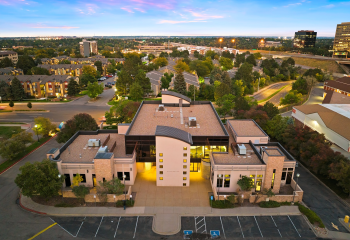












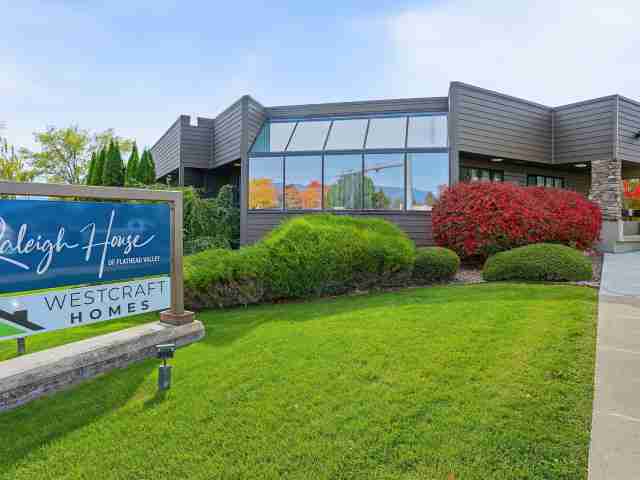
Meet the People Leading The Raleigh House
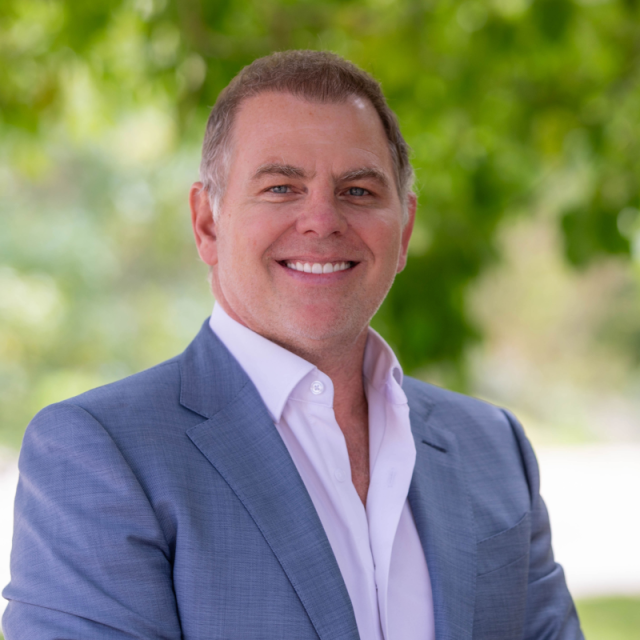
Eric Lapp
Founder and CEO
Learn More About the Brand
Inpatient vs. Outpatient
Compare the differences between inpatient and outpatient rehab.
What Someone’s Feelings Are Telling Them
Recognize the difference between burnout, depression, and crisis.
How to Spot a High-Functioning Alcoholic
Discover why the real warning sign of alcoholism isn’t a life falling apart, but the loss of control behind a life that still looks fine.
Supporting a Partner During Treatment
Navigate the relief and worry of watching a partner start treatment, and learn the steps that help both people heal.