This provider's information has been quality-checked by Recovery.com's Research Team for accuracy and completeness, including center verification through appropriate third-party organizations.
This center treats substance use disorders and mental health conditions. You'll receive individualized care catered to your unique situation and diagnosis, learn practical skills for recovery, and make new connections in a restorative environment.
Offering intensive care with 24/7 monitoring, residential treatment is typically 30 days and can cover multiple levels of care. Length can range from 14 to 90 days typically.
This center treats substance use disorders and mental health conditions. You'll receive individualized care catered to your unique situation and diagnosis, learn practical skills for recovery, and make new connections in a restorative environment.
Offering intensive care with 24/7 monitoring, residential treatment is typically 30 days and can cover multiple levels of care. Length can range from 14 to 90 days typically.
We are in-network with Ambetter, Physicians Health Plan, VA CCN, and Tricare. To ensure our patients receive the highest standard of care without the limitations often imposed by insurance restrictions, we also work with the majority of out-of-network insurance providers. Our team expertly navigates claims to help you maximize your benefits and minimize out-of-pocket costs.
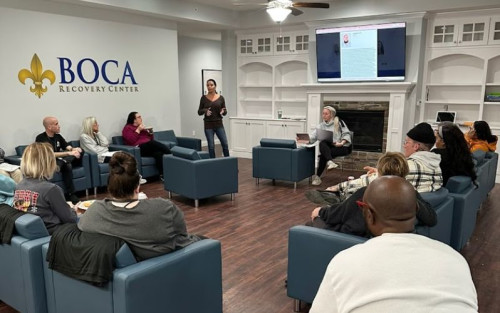
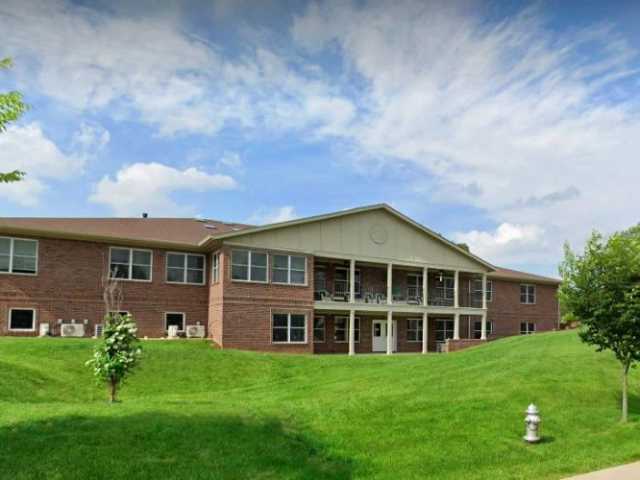
At Boca Recovery Center in Bloomington, people can slow down and focus on what comes next. This location provides medically supervised detox and residential care for those struggling with alcohol or drug use, along with co-occurring mental health concerns that often complicate recovery. Clients are given the space to stabilize, regain clarity, and start rebuilding without the distractions of everyday life.
Treatment here is grounded in proven, evidence-based methods that help people understand how thoughts, feelings, and behaviors are connected. Rather than a rigid schedule, therapists will go for a walk with clients while talking through stressors, sit together in a quiet space, or check in weekly (or more if needed). This flexibility makes therapy feel practical and real.
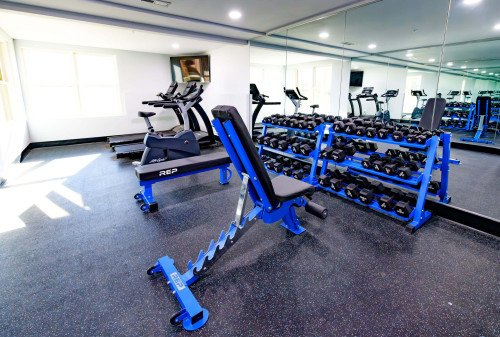
From fresh, chef-prepared meals and on-site fitness centers to spaces for relaxation like game rooms and movie theaters, the environment supports both physical and mental well-being. Simple conveniences, like an on-premise barber shop and wellness-focused amenities, help people maintain routine and self-care while in treatment.
A private alumni community, weekly Zoom meetings, and regular in-person events give people an easy way to stay connected long after discharge, starting as early as the day after leaving treatment. From quarterly gatherings and facility-led alumni groups to casual outings like picnics, sporting events, and paintball days, support continues in ways that feel natural. And each location has dedicated alumni representatives to keep people connected.
These highlights are provided by and paid for by the center.
Perfect for Professionals
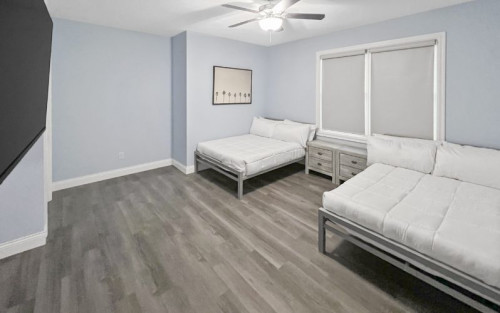
Private Rooms Available
Mental Health Disorder Treatment
Addiction Recovery
This center treats substance use disorders and mental health conditions. You'll receive individualized care catered to your unique situation and diagnosis, learn practical skills for recovery, and make new connections in a restorative environment.
The Joint Commission accreditation is a voluntary, objective process that evaluates and accredits healthcare organizations (like treatment centers) based on performance standards designed to improve quality and safety for patients. To be accredited means the treatment center has been found to meet the Commission's standards for quality and safety in patient care.


Additional Boca Recovery Network Locations
Recovery.com Verified Listing
Recovery.com verified that the name, location, contact information and license to operate for this treatment provider are valid and up-to-date.
Joint Commission Accredited

Licensed by Indiana
Recovery.com is an independent, third-party mental health resource. Verification does not imply endorsement and does not guarantee the quality of treatment services.

Dr. Alison Tarlow
Chief Clinical Officer

Stephanie Morris
Chief Nursing Officer

Joseph Toland
Chief Operations Officer

Casey Hiltner
Director of Community Outreach

Samantha Gorson
Director of Human Resources
Cathy Claud
Chief Administrative Officer
Justin Claud
Chief Legal Officer

Alex Cuevas
Chief Financial Officer
BS
Using alcohol as a coping mechanism, or drinking excessively throughout the week, signals an alcohol use disorder.
Detox fully and safely removes toxic substances from the body, allowing the next steps in treatment to begin with a clean slate.
Symptoms of depression may include fatigue, a sense of numbness, and loss of interest in activities. This condition can range from mild to severe.
An eating disorder is a long-term pattern of unhealthy behavior relating to food. Most people with eating disorders have a distorted self-image.
Family therapy addresses group dynamics within a family system, with a focus on improving communication and interrupting unhealthy relationship patterns.
Opioids produce pain-relief and euphoria, which can lead to addiction. This class of drugs includes prescribed medication and the illegal drug heroin.
Busy, high-ranking professionals get the personalized treatment they need with greater accommodations for work, privacy, and outside communication.
Some traumatic events are so disturbing that they cause long-term mental health problems. Those ongoing issues can also be referred to as "trauma."
Men and women attend treatment for addiction in a co-ed setting, going to therapy groups together to share experiences, struggles, and successes.
Addiction and mental health treatment meets the clinical and psychological needs of pregnant women, ensuring they receive optimal care in all areas.
In a PHP, patients live at home but follow an intensive schedule of treatment. Most programs require you to be on-site for about 40 hours per week.
Detox fully and safely removes toxic substances from the body, allowing the next steps in treatment to begin with a clean slate.
In an IOP, patients live at home or a sober living, but attend treatment typically 9-15 hours a week. Most programs include talk therapy, support groups, and other methods.
During outpatient rehab, patients attend a structured treatment program while continuing to live at home.
In a residential rehab program, patients live onsite, with access to daily treatment and 24-hour care. An average stay is 30-90 days.
A combination of scientifically rooted therapies and treatments make up evidence-based care, defined by their measured and proven results.
Individual care meets the needs of each patient, using personalized treatment to provide them the most relevant care and greatest chance of success.
Through surrender and commitment to Christ, patients refocus the efforts and source of their recovery with clinical and spiritual care.
Incorporating spirituality, community, and responsibility, 12-Step philosophies prioritize the guidance of a Higher Power and a continuation of 12-Step practices.
Patient and therapist meet 1-on-1 to work through difficult emotions and behavioral challenges in a personal, private setting.
This experiential therapy uses dance to improve body awareness, physical health, and social skills.
With this approach, patients heal by doing. Therapists help patients process difficult emotions to speak, using guided activities like art or dance.
Lateral, guided eye movements help reduce the emotional reactions of retelling and reprocessing trauma, allowing intense feelings to dissipate.
Combined with behavioral therapy, prescribed medications can enhance treatment by relieving withdrawal symptoms and focus patients on their recovery.
Singing, performing, and even listening to music can be therapeutic. Music therapy sessions are facilitated by certified counselors.
A quick goal-oriented therapy that helps patients identify their current and future goals, find out how to achieve them, and empower future problem-solving.
Tending to spiritual health helps treatment become more effective, allowing patients to better cope with their emotions and rebuild their spiritual wellbeing.
A person with a porn addiction is emotionally dependent on pornography to the point that it interferes with their daily life and relationships.
Personality disorders destabilize the way a person thinks, feels, and behaves. If untreated, they can undermine relationships and lead to severe distress.
ADHD is a common mental health condition caused by dopamine imbalance. Common symptoms include inattention, hyperactivitiy, and impulsivity.
Although anger itself isn't a disorder, it can get out of hand. If this feeling interferes with your relationships and daily functioning, treatment can help.
Anxiety is a common mental health condition that can include excessive worry, panic attacks, physical tension, and increased blood pressure.
This mental health condition is characterized by extreme mood swings between depression, mania, and remission.
Symptoms of depression may include fatigue, a sense of numbness, and loss of interest in activities. This condition can range from mild to severe.
An eating disorder is a long-term pattern of unhealthy behavior relating to food. Most people with eating disorders have a distorted self-image.
Using alcohol as a coping mechanism, or drinking excessively throughout the week, signals an alcohol use disorder.
Benzodiazepines are prescribed to treat anxiety and sleep issues. They are highly habit forming, and their abuse can cause mood changes and poor judgement.
Consistent relapse occurs repeatedly, after partial recovery from addiction. This condition requires long-term treatment.
Cocaine is a stimulant with euphoric effects. Agitation, muscle ticks, psychosis, and heart issues are common symptoms of cocaine abuse.
Drug addiction is the excessive and repetitive use of substances, despite harmful consequences to a person's life, health, and relationships.
Heroin is a highly addictive and illegal opioid. It can cause insomnia, collapsed veins, heart issues, and additional mental health issues.
Methamphetamine, or meth, increases energy, agitation, and paranoia. Long-term use can result in severe physical and mental health issues.
Opioids produce pain-relief and euphoria, which can lead to addiction. This class of drugs includes prescribed medication and the illegal drug heroin.
It's possible to abuse any drug, even prescribed ones. If you crave a medication, or regularly take it more than directed, you may have an addiction.
Patients can join faith-based recovery tracks to approach recovery with others in their faith, healing in a like-minded group with similar goals.
Yoga is both a physical and spiritual practice. It includes a flow of movement, breathing techniques, and meditation.

Perceptions of Sobriety in Business
Discover what a new survey reveals about how choosing alcohol at business lunches actually shapes deals and the way colleagues and clients see people.
Drug Overdose Deaths by State
See how overdose death rates vary across the US—and which states are winning the fight.
Drug Safety at Music Festivals
Before the next live music event, learn the real trends, hidden risks, and smart safety practices around drugs and alcohol at music festivals.
Top Sober Friendly US Cities
Discover which US cities are truly embracing alcohol-free lifestyles.
Treatment
3.7
Accommodations
3.7
Food & Nutrition
5.0
Value
4.0
Stephanie B.
Treatment in 2023 • (14 days) • Reviewed 06/26/23
Former Client
•Teacher
•New York
Ashley
Reviewed 10/27/22
Review from Rehabs.com
Samantha
Reviewed 07/08/24
Review from Rehabs.com