Find Treatment By
Rehabs by Location


Find Treatment By
Learn
About Us
Recovery.com combines independent research with expert guidance on addiction and mental health treatment. Our mission is to help everyone find the best path to recovery through the most comprehensive, helpful network of treatment providers worldwide.
Advisory Council
Our advisory council brings together leaders in behavioral health, technology, and business. Their diverse expertise ensures our resources and product are innovative, evidence-based, and effective. They guide our mission as accomplished individuals dedicated to improving the landscape of addiction recovery and mental wellness.
Choosing a Top Love Addiction Recovery Center

The editorial staff of Recovery.com is comprised of addiction content experts. Our editors and medical reviewers have over a decade of cumulative experience in medical content editing and have reviewed thousands of pages for accuracy and relevance.
The editorial staff of Recovery.com is comprised of addiction content experts. Our editors and medical reviewers have over a decade of cumulative experience in medical content editing and have reviewed thousands of pages for accuracy and relevance.
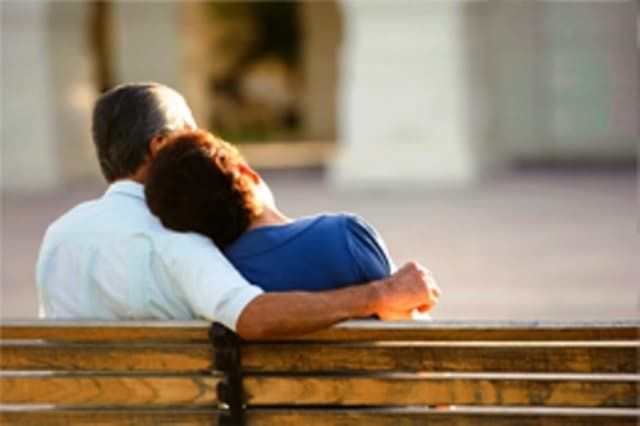
Love addiction is a condition in which a person becomes dependent on the feeling of being in love. The International Institute for Trauma and Addiction Professionals estimates that three to six percent of all people experience some type of sexual dependency.
Treatment for love addiction is generally similar to treatment used for other forms of addictive behavior, including alcohol use disorder (AUD). Common approaches include meetings, support groups, and professional treatment such as psychotherapy.
What Is Love Addiction?
A Hungarian psychoanalyst is believed to have coined the term “love addiction” in 1928. However, love addiction is not classified as a disorder in the Diagnostic and Statistical Manual of Mental Disorders, 5th Edition (DSM-5).
In the book Love and Addiction, Stanton Peele suggests that the feeling of love may actually be the opposite of addiction. He proposes that people may be more inclined to engage in addictive behavior, whether drinking, overeating, or playing video games, when they feel disconnected from love.
In other words, people may become attached to substances or behaviors when they do not have fulfilling attachments to others or to themselves. From this perspective, relationships with ourselves, other people, nature, and our careers can play an important role in preventing and healing addictive patterns.
Seen this way, labeling someone as a “love addict” may point to something more human: a strong craving for connection, which is a fundamental need, paired with difficulty coping when connection is absent. For some people, the need to feel “in love” becomes constant because without it, they may feel empty or unstable.
Symptoms of Addiction to Love
People experiencing love addiction may persistently chase the feeling of being in love. This pursuit can resemble other compulsive patterns, where someone seeks relief, comfort, or completion through a particular experience.
Love addiction may be driven by an ongoing effort to fulfill an emotional need, even if it is not fully conscious.
Many people feel excitement or euphoria when they are in love. The difference is that someone struggling with love addiction may seek that feeling to a greater degree, and in ways that become unhealthy or disruptive.
Over time, the sense of satisfaction may fade, which can increase the urge to recreate the feeling of being in love. This cycle can become self-defeating and may lead to relationship instability. I
In some cases, a person may struggle to form deeper emotional bonds or establish long-term stability, especially if the focus remains on the “high” of romance rather than emotional intimacy.
If you want to build a healthier relationship pattern, professional support can help.
Explore Drug Addiction Treatment Centers
Treatment Methods
Sex and Love Addicts Anonymous (SLAA) is an organization founded in 1976 to help love addicts. SLAA’s membership was estimated to be 16,000 in late 2012.
Love rehab centers provide the following types of treatment:
- Residential treatment
- 12-Step programs
- Psychological counseling
- Outpatient treatment programs
- Intensive outpatient treatment
Residential treatment requires a person to live at the treatment facility. This provides a structured environment where they can focus fully on recovery. The therapies available in residential treatment vary and may include psychological counseling, life skills training, educational programming, and recreation. Many inpatient programs last one to three months.
A 12-Step program for love addiction is similar to 12-Step programs used for substance use recovery. The first 12-Step program was created for alcohol use disorder, and related programs use that model, adapting it to different behaviors.
These programs are open to anyone seeking support. They are often centered around meetings where participants share experiences and support each other. Meetings are traditionally in person, but many groups also offer connection by phone or online.
Psychological counseling may include several approaches, depending on the individual’s needs. Behavioral therapy is often the most common form of counseling, and it requires a therapist with formal training in psychology or psychiatry. Counseling is often done one-on-one and focuses on underlying emotional issues. It is also frequently included as part of residential treatment.
Outpatient treatment allows a person to live at home while attending therapy sessions as needed. These programs often include individual counseling and group support. Some outpatient centers also offer support groups for family members. Major hospitals frequently provide outpatient treatment for many forms of addiction and compulsive behavior.
Find Treatment That Supports Healing
If love addiction is negatively affecting your life, help is available. Treatment can support deeper healing and healthier attachment patterns. Visit Recovery.com to find treatment centers, compare programs, and explore professional support options that fit your needs. You deserve a recovery plan built for lasting change.










Our Promise
How Is Recovery.com Different?
We believe everyone deserves access to accurate, unbiased information about mental health and recovery. That's why we have a comprehensive set of treatment providers and don't charge for inclusion. Any center that meets our criteria can list for free. We do not and have never accepted fees for referring someone to a particular center. Providers who advertise with us must be verified by our Research Team and we clearly mark their status as advertisers.
Our goal is to help you choose the best path for your recovery. That begins with information you can trust.