Aster Springs Virginia
Verified Center
This provider's information has been quality-checked by Recovery.com's Research Team for accuracy and completeness, including center verification through appropriate third-party organizations.
Treatment Focus
You can get treatment for eating disorders at this center, helping you navigate symptoms, build coping tools, and restore your physical health under expert care.
Primary Level of Care
Offering intensive care with 24/7 monitoring, residential treatment is typically 30 days and can cover multiple levels of care. Length can range from 14 to 90 days typically.
Treatment Focus
You can get treatment for eating disorders at this center, helping you navigate symptoms, build coping tools, and restore your physical health under expert care.
Primary Level of Care
Offering intensive care with 24/7 monitoring, residential treatment is typically 30 days and can cover multiple levels of care. Length can range from 14 to 90 days typically.
Provider's Policy
We are in-network with multiple insurance providers and accept out-of-network benefits from other major insurance companies. We also accept self-pay.
About Aster Springs Virginia
Aster Springs Virginia offers specialized eating disorder treatment for adult women and female-identifying adults. With a low staff-to-client ratio, each client receives personalized, evidence-based care designed to address their unique challenges and strengths. Through compassionate support and clinically proven treatment, clients gain the tools and resilience needed to build a healthier future.
Reclaim a Healthier Future
Aster Springs’ multidisciplinary team of clinicians, dietitians, and culinary professionals helps clients develop a healthier relationship with food through personalized, evidence-based care. Therapies such as cognitive behavioral therapy (CBT), dialectical behavior therapy (DBT), experiential therapy, nutrition counseling, and exposure and response prevention equip women with the tools to create lasting change. For those who need a lower level of care, Partial Hospitalization Programming (PHP) offers structured daytime treatment with the flexibility to return home each evening.
Connect, Reflect, and Recover
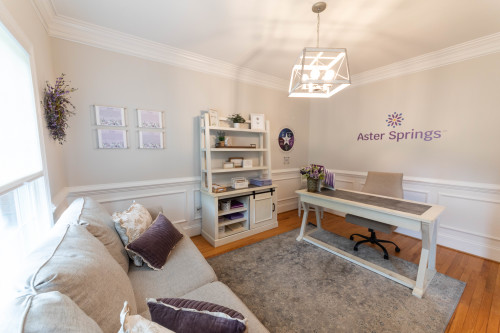
Residents receive 24/7 clinical support while staying in private or shared accommodations based on their individual needs and treatment goals. Thoughtfully designed spaces throughout the facility—including an art therapy room, inviting community lounges, and peaceful outdoor areas—encourage connection, reflection, and healing. Meals are prepared by an on-site culinary team that partners closely with registered dietitians to support recovery and help clients build a healthier relationship with food.
Maintain Progress with Community
Guided by the Three C's of Connect, Commit, and Cultivate, Aster Springs’ alumni program helps clients maintain momentum long after treatment. Through discharge groups, support groups, and family support meetings, clients stay connected to a community that understands the challenges and victories of recovery. By fostering meaningful relationships and ongoing support, Aster Springs helps clients build the confidence, accountability, and sense of belonging needed for lasting healing.

Center Overview

Treatment Focus
You can get treatment for eating disorders at this center, helping you navigate symptoms, build coping tools, and restore your physical health under expert care.
Joint Commission Accredited
The Joint Commission accreditation is a voluntary, objective process that evaluates and accredits healthcare organizations (like treatment centers) based on performance standards designed to improve quality and safety for patients. To be accredited means the treatment center has been found to meet the Commission's standards for quality and safety in patient care.
Insurance Accepted
Cash Pay Rates

Estimated Cash Pay Rate
Center pricing can vary based on program and length of stay. Contact the center for more information. Recovery.com strives for price transparency so you can make an informed decision.


Recovery.com Verified Listing
Recovery.com verified that the name, location, contact information and license to operate for this treatment provider are valid and up-to-date.
Joint Commission Accredited

Licensed by Virginia
Recovery.com is an independent, third-party mental health resource. Verification does not imply endorsement and does not guarantee the quality of treatment services.
Meet Your Care Team
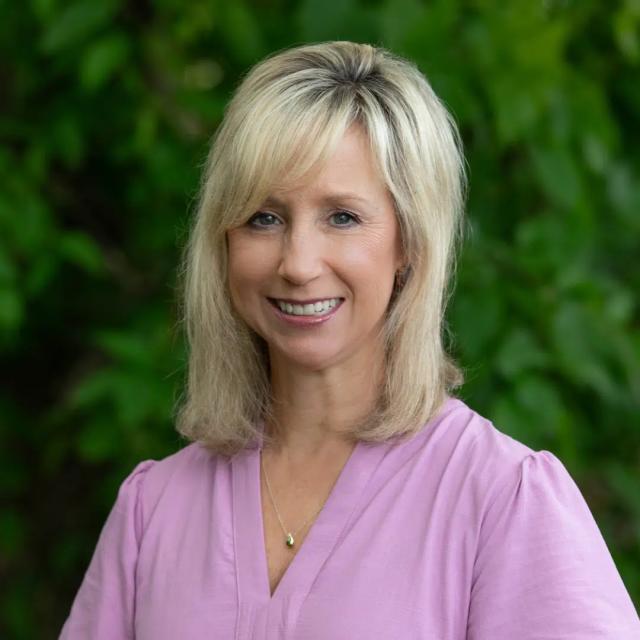
Melanie Vann
Executive Director
MA, LPC, NCC
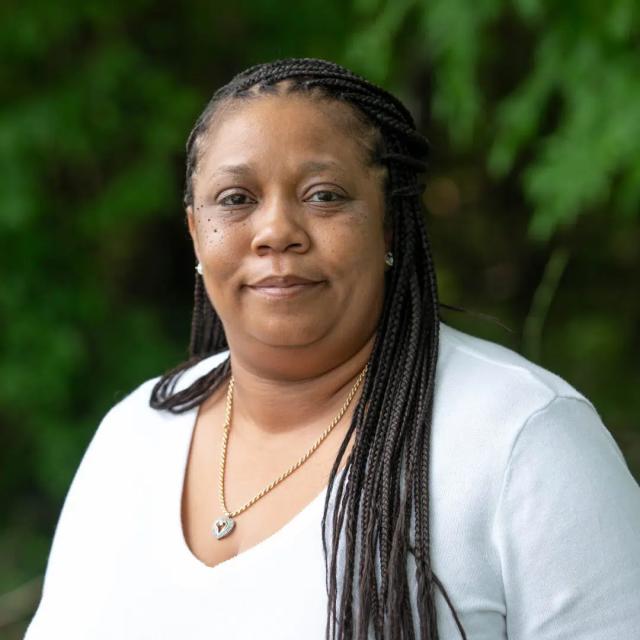
Lemettris Williams
Director of Nursing
RN

Helen Overbey
Operations Manager
QMHP-A & C
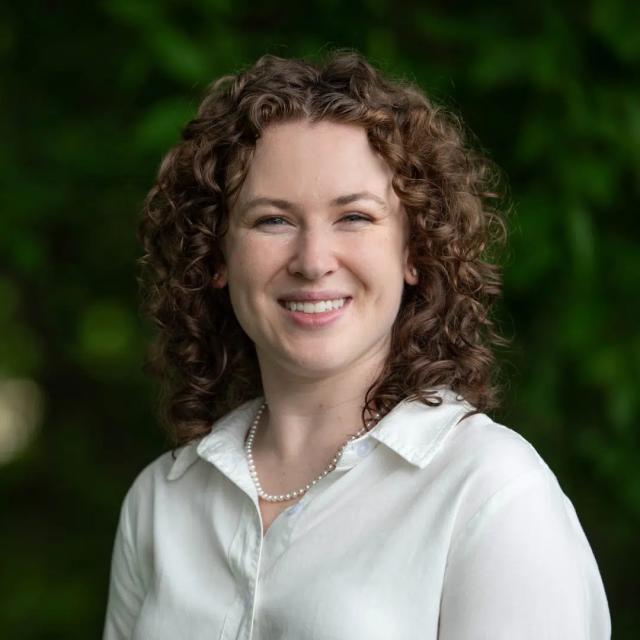
Caroline Knight
Director of Nutrition
RD

Kendall Holloway
Clinical Director
PhD, LPC, NCC

Tiffany Capri
Chef

Anna Ziegler
Lead Dietitian
RD

Morgan Taylor-Anderson
Registered Dietitian
RD

Sara Jones
Registered Dietitian
MSAN

Tracey Dickens
Therapist
MSW

Via Cosby
Therapist
MA

Chelsea Adams
Therapist
MS Resident in Counseling

Megan Schnellenberger
Therapist
MSW

Pauline Schnelzer
Therapist
MSW

Lisa Francis
Lead Nurse
RN

Ogochukwu Obiekwe
Family Nurse Practitioner
FNP-C, PMHNP

Jess Mairena
Client Services & Alum Relations Manager
Your Care Options
Specializations
Co-Occurring Disorders
A person with multiple mental health diagnoses, such as addiction and depression, has co-occurring disorders also called dual diagnosis.
Eating Disorders
An eating disorder is a long-term pattern of unhealthy behavior relating to food. Most people with eating disorders have a distorted self-image.
Evidence-Based
A combination of scientifically rooted therapies and treatments make up evidence-based care, defined by their measured and proven results.
Residential
In a residential rehab program, patients live onsite, with access to daily treatment and 24-hour care. An average stay is 30-90 days.
Gender-Specific
Separate treatment for men or women can create strong peer connections and remove barriers related to trauma, shame, and gender-specific nuances.
Women only
Women attend treatment in a gender-specific facility, with treatment delivered in a safe, nourishing, and supportive environment for greater comfort.
Who We Treat
LGBTQ+
Addiction and mental illnesses in the LGBTQ+ community must be treated with an affirming, safe, and relevant approach, which many centers provide.
Women only
Women attend treatment in a gender-specific facility, with treatment delivered in a safe, nourishing, and supportive environment for greater comfort.
Treatment Services
Day Treatment
Also commonly called PHP, patients may live at home or in a recovery residence while following an intensive treatment program. Most have a weekly schedule of M–F and 4 to 6 hours per day.
Intensive Outpatient Program
In an IOP, patients live at home or a sober living, but attend treatment typically 9-15 hours a week. Most programs include talk therapy, support groups, and other methods.
Outpatient
During outpatient rehab, patients attend a structured treatment program while continuing to live at home.
Residential
In a residential rehab program, patients live onsite, with access to daily treatment and 24-hour care. An average stay is 30-90 days.
Approaches
Evidence-Based
A combination of scientifically rooted therapies and treatments make up evidence-based care, defined by their measured and proven results.
Individual Treatment
Individual care meets the needs of each patient, using personalized treatment to provide them the most relevant care and greatest chance of success.
Therapies
1-on-1 Counseling
Patient and therapist meet 1-on-1 to work through difficult emotions and behavioral challenges in a personal, private setting.
Acceptance and Commitment Therapy (ACT)
This cognitive behavioral therapy teaches patients to accept challenging feelings and make the appropriate changes to reach personal goals.
Cognitive Behavioral Therapy
Cognitive Behavioral Therapy helps people identify and change unhelpful thought patterns and behaviors that contribute to emotional distress.
Dialectical Behavior Therapy
Dialectical Behavior Therapy teaches skills for managing emotions, improving relationships, tolerating distress, and increasing mindfulness.
Experiential Therapy
With this approach, patients heal by doing. Therapists help patients process difficult emotions to speak, using guided activities like art or dance.
Exposure Therapy
Exposure therapy helps individuals gradually face feared situations or triggers to reduce anxiety and build confidence over time.
Family Therapy
Family therapy addresses group dynamics within a family system, with a focus on improving communication and interrupting unhealthy relationship patterns.
Group Therapy
Group therapy brings people together in a supportive setting to share experiences, develop skills, and work toward common goals.
Nutrition Counseling
Nutritious food helps patients heal from within, setting them up for mental and bodily wellness as they learn about healthy eating.
Languages
Conditions We Treat
Anxiety
Anxiety is a common mental health condition that can include excessive worry, panic attacks, physical tension, and increased blood pressure.
Depression
Symptoms of depression may include fatigue, a sense of numbness, and loss of interest in activities. This condition can range from mild to severe.
Eating Disorders
An eating disorder is a long-term pattern of unhealthy behavior relating to food. Most people with eating disorders have a distorted self-image.
Post Traumatic Stress Disorder
PTSD is a long-term mental health issue caused by a disturbing event or events. Symptoms include anxiety, dissociation, flashbacks, and intrusive thoughts.
Trauma
Some traumatic events are so disturbing that they cause long-term mental health problems. Those ongoing issues can also be referred to as "trauma."
Substances We Treat
Co-Occurring Disorders
A person with multiple mental health diagnoses, such as addiction and depression, has co-occurring disorders also called dual diagnosis.
Aftercare
Care Designed for Your Needs
Personal Amenities
Amenities
Special Considerations
Gender-specific groups
Patients in gender-specific groups gain the opportunity to discuss challenges unique to their gender in a comfortable, safe setting conducive to healing.
Activities
Yoga
Yoga is both a physical and spiritual practice. It includes a flow of movement, breathing techniques, and meditation.
Learn More About the Center
Picky Eating vs. Disorders
Discover key differences that help identify when eating habits become concerning.
Why Body Checking Can Be Concerning
Understand the risks associated with frequent body-focused monitoring behaviors.
Social Media and Body Dysmorphia
Learn how social media can influence body image and self-perception.
Depression's Impact on Eating Disorders
Gain clarity on the relationship between depression and disordered eating.