This provider's information has been quality-checked by Recovery.com's Research Team for accuracy and completeness, including center verification through appropriate third-party organizations.
This center treats substance use disorders and co-occurring mental health conditions. Your treatment plan addresses each condition at once with personalized, compassionate care for comprehensive healing.
Outpatient treatment offers flexible therapeutic and medical care without the need to stay overnight in a hospital or inpatient facility. Some centers offer intensive outpatient program (IOP), which falls between inpatient care and traditional outpatient service.
This center treats substance use disorders and co-occurring mental health conditions. Your treatment plan addresses each condition at once with personalized, compassionate care for comprehensive healing.
Outpatient treatment offers flexible therapeutic and medical care without the need to stay overnight in a hospital or inpatient facility. Some centers offer intensive outpatient program (IOP), which falls between inpatient care and traditional outpatient service.
All In Solutions accepts most PPO policies and provides a free coverage verification to explain your benefits clearly. We work with a variety of private insurers including Cambia Health Solutions, Florida Blue, Harvard Pilgrim, Independence, Medica, Moda Health, NYSHIP, Premera, Regence, UMR, and UPMC Health System.
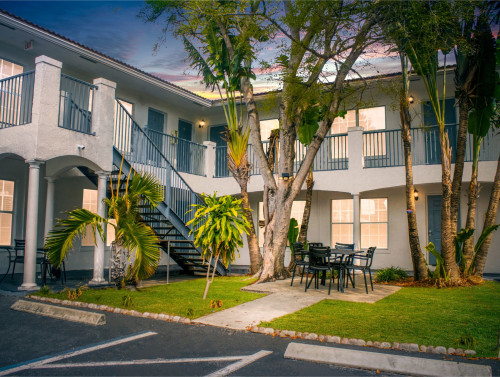
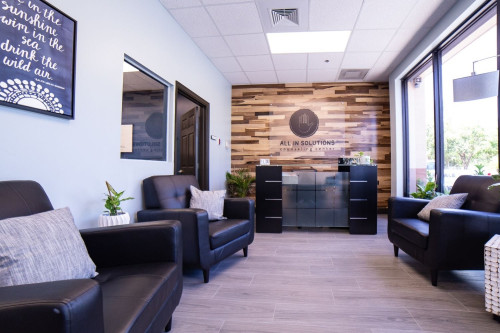
All In Solutions Counseling Center in Boynton Beach bridges the gap between residential treatment and a new life in recovery. Their partial hospitalization (PHP) and intensive outpatient (IOP) programs address behavioral health and provide essential tools for navigating a healthier, more fulfilling life. As part of a gradual transition back to everyday life, clients practice recovery skills in real-world settings while still having the safety net of intensive therapeutic support.
All In Solutions’ PHP offers more frequent and longer therapeutic sessions than IOP. Clients participate in one-on-one therapy, small group sessions, and optional groups focused on faith-based recovery and family therapy. Case management and medical or psychiatric support are available, along with wellness services including massage, acupuncture, chiropractic care, yoga, and personal training. Optional nightly 12-Step meetings complement treatment, and many clients stay in nearby sober living due to the program’s intensive schedule.
After completing PHP, most clients transition to All In Solutions’ day or evening IOP to further develop their sobriety, mental health, and family relationships. The program includes several therapy sessions per week and helps clients enhance social skills, independent living abilities, and practical life skills. Clients also have access to wellness services, job placement assistance, nutrition education, transportation to outside recovery meetings, and case management for legal, social services, and personal needs.
All In Solutions’ clinical team works with each client to develop a personalized aftercare plan that supports their continued recovery and gradually increases their independence while maintaining appropriate levels of support. Clients stay connected to a family of 7,700+ alumni through recovery meetings, staff check-ins, monthly events, and an active Facebook support group.
These highlights are provided by and paid for by the center.
Trauma-Informed Care
Master's Level Therapists
Spiritual Emphasis
Addiction Recovery
This center treats substance use disorders and co-occurring mental health conditions. Your treatment plan addresses each condition at once with personalized, compassionate care for comprehensive healing.
The Joint Commission accreditation is a voluntary, objective process that evaluates and accredits healthcare organizations (like treatment centers) based on performance standards designed to improve quality and safety for patients. To be accredited means the treatment center has been found to meet the Commission's standards for quality and safety in patient care.

Center pricing can vary based on program and length of stay. Contact the center for more information. Recovery.com strives for price transparency so you can make an informed decision.


More All In Solutions Locations
Recovery.com Verified Listing
Recovery.com verified that the name, location, contact information and license to operate for this treatment provider are valid and up-to-date.

Joint Commission Accredited

Licensed by Florida DCF

NAATP Member
Recovery.com is an independent, third-party mental health resource. Verification does not imply endorsement and does not guarantee the quality of treatment services.

Daniel Cornide
Clinical Program Manager & Director of Faith-Based Recovery
CAP, LMFT
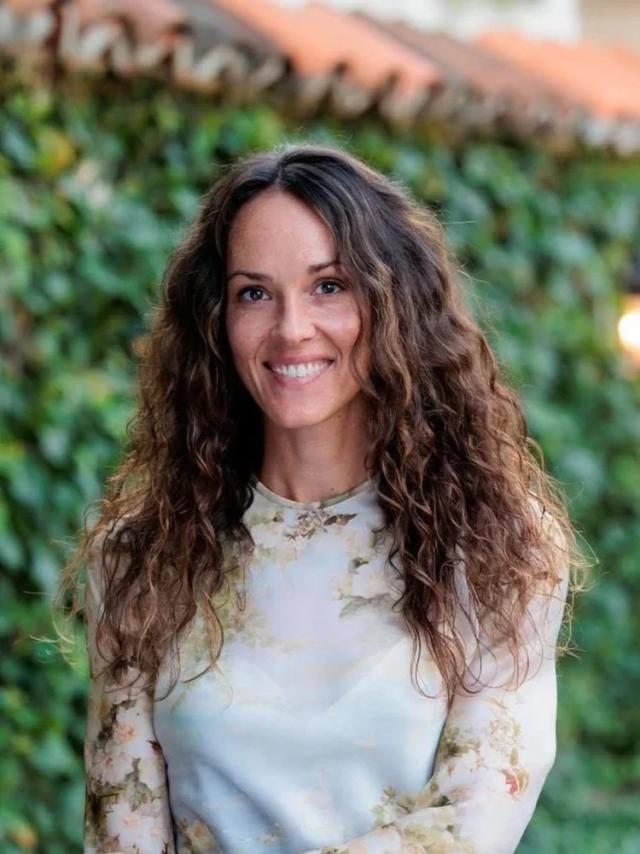
Alexandra Foglia
Director of Family Program
DMFT

Stacey Kordis
Primary Therapist
LMHC

Dr. Nicole Cardeno
Primary Therapist
MCAP, PhD
In a PHP, patients live at home but follow an intensive schedule of treatment. Most programs require you to be on-site for about 40 hours per week.
Using alcohol as a coping mechanism, or drinking excessively throughout the week, signals an alcohol use disorder.
Family therapy addresses group dynamics within a family system, with a focus on improving communication and interrupting unhealthy relationship patterns.
In an IOP, patients live at home or a sober living, but attend treatment typically 9-15 hours a week. Most programs include talk therapy, support groups, and other methods.
Methamphetamine, or meth, increases energy, agitation, and paranoia. Long-term use can result in severe physical and mental health issues.
Patients can join faith-based recovery tracks to approach recovery with others in their faith, healing in a like-minded group with similar goals.
In a PHP, patients live at home but follow an intensive schedule of treatment. Most programs require you to be on-site for about 40 hours per week.
In an IOP, patients live at home or a sober living, but attend treatment typically 9-15 hours a week. Most programs include talk therapy, support groups, and other methods.
During outpatient rehab, patients attend a structured treatment program while continuing to live at home.
Spirituality connects patients to a higher power and helps strengthen their recovery, hope, and compliance with other treatment modalities.
A combination of scientifically rooted therapies and treatments make up evidence-based care, defined by their measured and proven results.
Individual care meets the needs of each patient, using personalized treatment to provide them the most relevant care and greatest chance of success.
Therapeutic communities allow patients to contribute to the success and progress of their community, through healthy behaviors or even basic chores.
Patient and therapist meet 1-on-1 to work through difficult emotions and behavioral challenges in a personal, private setting.
Visual art invites patients to examine the emotions within their work, focusing on the process of creativity and its gentle therapeutic power.
Lateral, guided eye movements help reduce the emotional reactions of retelling and reprocessing trauma, allowing intense feelings to dissipate.
Family therapy addresses group dynamics within a family system, with a focus on improving communication and interrupting unhealthy relationship patterns.
This brief and structured therapy addresses present relationships and improves overall communication at work, home, and other social settings.
Teaching life skills like cooking, cleaning, clear communication, and even basic math provides a strong foundation for continued recovery.
Combined with behavioral therapy, prescribed medications can enhance treatment by relieving withdrawal symptoms and focus patients on their recovery.
Although anger itself isn't a disorder, it can get out of hand. If this feeling interferes with your relationships and daily functioning, treatment can help.
Anxiety is a common mental health condition that can include excessive worry, panic attacks, physical tension, and increased blood pressure.
This mental health condition is characterized by extreme mood swings between depression, mania, and remission.
Codependency is a pattern of emotional dependence and controlling behavior. It's most common among people with addicted loved ones.
Symptoms of depression may include fatigue, a sense of numbness, and loss of interest in activities. This condition can range from mild to severe.
PTSD is a long-term mental health issue caused by a disturbing event or events. Symptoms include anxiety, dissociation, flashbacks, and intrusive thoughts.
Some traumatic events are so disturbing that they cause long-term mental health problems. Those ongoing issues can also be referred to as "trauma."
Using alcohol as a coping mechanism, or drinking excessively throughout the week, signals an alcohol use disorder.
Benzodiazepines are prescribed to treat anxiety and sleep issues. They are highly habit forming, and their abuse can cause mood changes and poor judgement.
Consistent relapse occurs repeatedly, after partial recovery from addiction. This condition requires long-term treatment.
A person with multiple mental health diagnoses, such as addiction and depression, has co-occurring disorders also called dual diagnosis.
Cocaine is a stimulant with euphoric effects. Agitation, muscle ticks, psychosis, and heart issues are common symptoms of cocaine abuse.
Drug addiction is the excessive and repetitive use of substances, despite harmful consequences to a person's life, health, and relationships.
Ecstasy is a stimulant that causes intense euphoria and heightened awareness. Abuse of this drug can trigger depression, insomnia, and memory problems.
Heroin is a highly addictive and illegal opioid. It can cause insomnia, collapsed veins, heart issues, and additional mental health issues.
Centers with flexible technology policies allow professionals to stay in touch with work and give patients a greater sense of connection and normalcy.
Patients in gender-specific groups gain the opportunity to discuss challenges unique to their gender in a comfortable, safe setting conducive to healing.
Patients can join faith-based recovery tracks to approach recovery with others in their faith, healing in a like-minded group with similar goals.
Yoga is both a physical and spiritual practice. It includes a flow of movement, breathing techniques, and meditation.

Partial Hospitalization Program
Build a strong recovery foundation with structured and intensive daily therapeutic support.
Intensive Outpatient Program
Maintain work, school, and family commitments while strengthening recovery.
Faith-Based Recovery
Strengthen recovery with guidance that integrates Christian principles with evidence-based treatment.
Family Program
Rebuild trust and understanding through family support designed to heal relationships affected by addiction.