Woodhaven Recovery
Treatment Focus
This center treats substance use disorders and co-occurring mental health conditions. Your treatment plan addresses each condition at once with personalized, compassionate care for comprehensive healing.
Primary Level of Care
Offering intensive care with 24/7 monitoring, residential treatment is typically 30 days and can cover multiple levels of care. Length can range from 14 to 90 days typically.
Claimed
Recovery.com has connected directly with this treatment provider to validate the information in their profile.
Treatment Focus
This center treats substance use disorders and co-occurring mental health conditions. Your treatment plan addresses each condition at once with personalized, compassionate care for comprehensive healing.
Primary Level of Care
Offering intensive care with 24/7 monitoring, residential treatment is typically 30 days and can cover multiple levels of care. Length can range from 14 to 90 days typically.
Private Pay
You pay directly for treatment out of pocket. This approach can offer enhanced privacy and flexibility, without involving insurance. Exact costs vary based on program and length of stay. Contact the center for specific details.
About Woodhaven Recovery
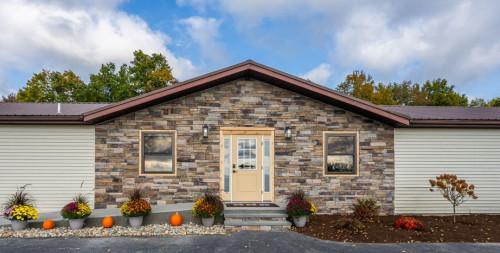
Woodhaven Recovery is an adolescent-focused residential program for boys in recovery from substance use disorder. Located in Northeastern Pennsylvania, it was created to help fill a gap in programs that support the transition from rehab to long-term recovery. Woodhaven combines recovery support, academics, family involvement, and life-skills development to help teens build a foundation for daily life in recovery. Scholarships are available for qualifying families.
Recovery, Education, and Clinical Engagement
Woodhaven Recovery offers a structured program designed around adolescents’ developmental needs. Its approach includes recovery education rooted in 12-Step principles, high school academics through Woodhaven Prep, and clinical engagement with group, individual, and family counseling. Recreation, community involvement, and strategic planning are also woven into the program so residents can strengthen coping skills, build connections, and prepare for future independence.
Residences and Length of Stay
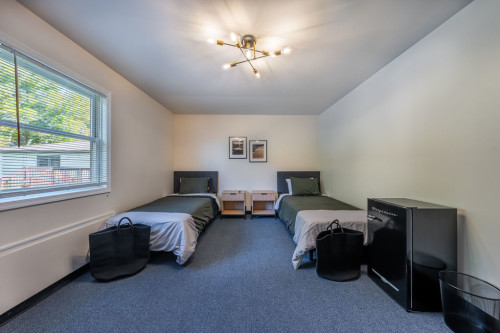
Woodhaven Recovery provides a continuum of residential environments for different stages of recovery. Woodhaven Manor supports adolescents beginning their recovery journey, while Woodhaven Cottage offers more independence for residents who have shown increased maturity and commitment. Woodhaven on Mulberry, located in Scranton, serves young men in higher education. The program generally begins with a 90-day stay, with extended options available based on each resident’s needs and progress.
Family Involvement and Transition to Adulthood
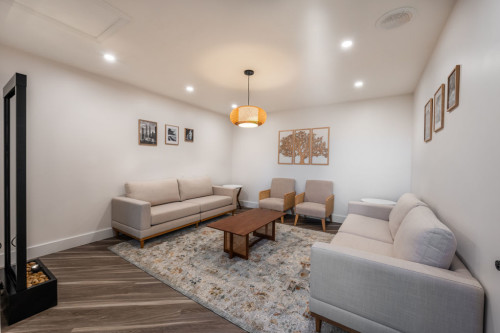
Woodhaven Recovery’s model emphasizes that recovery involves more than sobriety alone. The program includes family workshops, support groups, therapeutic sessions, and family days to help strengthen communication and relationships. Through daily structure, peer living, staff guidance, and planning for college, career, and life skills, Woodhaven aims to help teens sustain recovery and move toward adulthood with greater confidence and purpose.
Center Overview
Treatment Focus
This center treats substance use disorders and co-occurring mental health conditions. Your treatment plan addresses each condition at once with personalized, compassionate care for comprehensive healing.
Pricing and Program Length
Estimated Center Costs
The cost listed here ($8,500/month), is an estimate of program cost. Center price can vary based on program and length of stay. Contact the center for more information. Recovery.com strives for price transparency so you can make an informed decision.
Levels of Care
Your Care Options
Specializations
Adolescents
Teens receive the treatment they need for mental health disorders and addiction, with the added support of educational and vocational services.
Drug Addiction
Drug addiction is the excessive and repetitive use of substances, despite harmful consequences to a person's life, health, and relationships.
Who We Treat
Adolescents
Teens receive the treatment they need for mental health disorders and addiction, with the added support of educational and vocational services.
Approaches
Gender-Specific
Separate treatment for men or women can create strong peer connections and remove barriers related to trauma, shame, and gender-specific nuances.
Individual Treatment
Individual care meets the needs of each patient, using personalized treatment to provide them the most relevant care and greatest chance of success.
Therapeutic Community
Therapeutic communities allow patients to contribute to the success and progress of their community, through healthy behaviors or even basic chores.
Twelve Step
Incorporating spirituality, community, and responsibility, 12-Step philosophies prioritize the guidance of a Higher Power and a continuation of 12-Step practices.
Therapies
1-on-1 Counseling
Patient and therapist meet 1-on-1 to work through difficult emotions and behavioral challenges in a personal, private setting.
Acceptance and Commitment Therapy (ACT)
This cognitive behavioral therapy teaches patients to accept challenging feelings and make the appropriate changes to reach personal goals.
Life Skills
Teaching life skills like cooking, cleaning, clear communication, and even basic math provides a strong foundation for continued recovery.
Motivational Interviewing
Based on the idea that motivation to change comes from within, providers use a conversational framework to discover personalized methods for change.
Recreation Therapy
In recreation therapy, recovery can be joyful. Patients practice social skills and work through emotional triggers by engaging in fun activities.
Twelve Step Facilitation
12-Step groups offer a framework for addiction recovery. Members commit to a higher power, recognize their issues, and support each other in the healing process.
Languages
Substances We Treat
Alcohol
Using alcohol as a coping mechanism, or drinking excessively throughout the week, signals an alcohol use disorder.
Co-Occurring Disorders
A person with multiple mental health diagnoses, such as addiction and depression, has co-occurring disorders also called dual diagnosis.
Drug Addiction
Drug addiction is the excessive and repetitive use of substances, despite harmful consequences to a person's life, health, and relationships.