Find Treatment By
Rehabs by Location
View virtual treatment providers
AlabamaArizonaArkansasCaliforniaColoradoConnecticutFloridaGeorgiaHawaiiIllinoisIndianaIowaKansasKentuckyLouisianaMaineMarylandMassachusettsMichiganMinnesotaMississippiMissouriNebraskaNevadaNew HampshireNew JerseyNew MexicoNew YorkNorth CarolinaOhioOklahomaOregonPennsylvaniaSouth CarolinaTennesseeTexasUtahVirginiaWashingtonWisconsin


Learn
About Us
Recovery.com combines independent research with expert guidance on addiction and mental health treatment. Our mission is to help everyone find the best path to recovery through the most comprehensive, helpful network of treatment providers worldwide.
Advisory Council
Our advisory council brings together leaders in behavioral health, technology, and business. Their diverse expertise ensures our resources and product are innovative, evidence-based, and effective. They guide our mission as accomplished individuals dedicated to improving the landscape of addiction recovery and mental wellness.
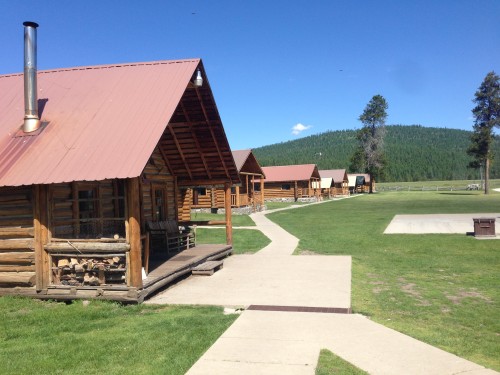
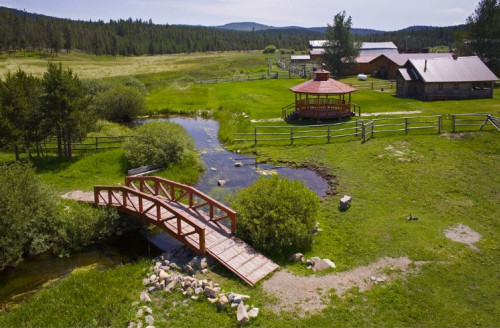
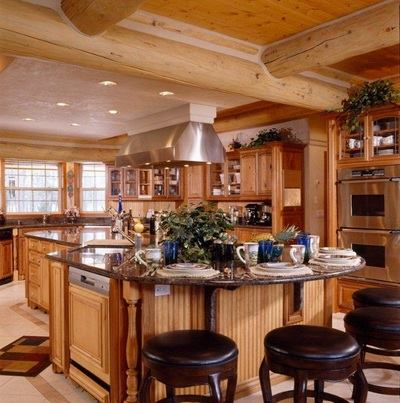
About Wilderness Treatment Center
*Permanently Closed*
wildernesstreatmentcenter.com
Are you the owner of this center? Claim it
Private Pay Option
Cash Pay Rates
If you are not using insurance, the pricing listed below is an estimate of the cash pay rate.
60 days +
$31,500 +
Care Options
Levels of Care
Treatment
Your Care Options
Specializations
Adolescents
Co-Occurring Disorders
Who We Treat
Men
Adolescents
Approaches
Gender-Specific
Minnesota Model
Twelve Step
Therapies
1-on-1 Counseling
Adventure Therapy
Animal Therapy
Cognitive Behavioral Therapy
Equine Therapy
Group Therapy
Narrative Therapy
Languages
English
Conditions We Treat
Trauma
Substances We Treat
Alcohol
Benzodiazepines
Co-Occurring Disorders
Cocaine
Drug Addiction
Heroin
Marijuana
Methamphetamine
Opioids
Aftercare
Outpatient Treatment
Recovery Retreats
Experience
Care Designed for Your Needs
Personal Amenities
Air-Conditioned Rooms
Shared Bathroom
Shared Rooms
Special Considerations
Dietary Accommodations
Activities
Farming, Gardening
Fishing
Fly Fishing
Games
Hiking
Horseback Riding
Physical Fitness
Sightseeing
Off-Site Activities
Physical Fitness
Ropes Course
Swimming
Water Activities
Sightseeing
Hiking
Fly Fishing
Adventure Outings
Fishing
Off-Site Amenities
Gourmet Dining
Walking Trails
Business Center, Computers
Outdoor Dining
Fitness Center
Access to Nature
Outdoor Lounge
Recreation Room
Frequently Asked Questions
Further Research
How much does Wilderness Treatment Center cost?
While costs may vary due to program length and insurance benefits, it typically costs $31,500 +.
What therapies does Wilderness Treatment Center offer?
The following therapies are included: narrative therapy, group therapy and more.
Where is Wilderness Treatment Center located?
Marion, Montana, United States.
How long is treatment?
The typical length is 60 days +.
What levels of care does Wilderness Treatment Center offer?
Wilderness Treatment Center provides outpatient, residential and more.
Explore More
Easily search by condition, location, and other programs tailored to meet your needs.