Find Treatment By
Rehabs by Location


Find Treatment By
Learn
About Us
Recovery.com combines independent research with expert guidance on addiction and mental health treatment. Our mission is to help everyone find the best path to recovery through the most comprehensive, helpful network of treatment providers worldwide.
Advisory Council
Our advisory council brings together leaders in behavioral health, technology, and business. Their diverse expertise ensures our resources and product are innovative, evidence-based, and effective. They guide our mission as accomplished individuals dedicated to improving the landscape of addiction recovery and mental wellness.





Skycloud Health (Virtual Services)
Verified Center
This provider's information has been quality-checked by Recovery.com's Research Team for accuracy and completeness, including center verification through appropriate third-party organizations.
Treatment Focus
This center treats substance use disorders and mental health conditions. You'll receive individualized care catered to your unique situation and diagnosis, learn practical skills for recovery, and make new connections in a restorative environment.
Primary Level of Care
The delivery of therapeutic services utilizing technology such as video conferencing, online messaging or phone calls, allowing for flexibility, comfort and increased access to care
Treatment Focus
This center treats substance use disorders and mental health conditions. You'll receive individualized care catered to your unique situation and diagnosis, learn practical skills for recovery, and make new connections in a restorative environment.
Primary Level of Care
The delivery of therapeutic services utilizing technology such as video conferencing, online messaging or phone calls, allowing for flexibility, comfort and increased access to care
Insurance Accepted
This center accepts insurance, exact cost can vary depending on your plan and deductible.
Skycloud Health (Virtual Services)
Skycloud Health (Virtual Services)
About Skycloud Health (Virtual Services)
Skycloud Health makes getting help feel a lot less complicated. Their fully virtual, outpatient care is designed to fit into real life, with in-person options available when needed. Their team supports clients with mental health concerns like anxiety, depression, ADHD, OCD, and trauma, along with opioid use disorder through MAT, plus options like therapy, psychiatric evaluations, medication management, and even GLP-1 weight loss treatment. As a queer-owned, LGBTQ+-affirming practice, SkyCloud helps clients start feeling more like themselves again.
Live Life with More Joy and Connection
When someone comes in for any reason, the team looks at the bigger picture: physical health, emotional wellbeing, relationships, lifestyle, work stress, identity, culture, and even spiritual needs, because all of it affects how someone feels day to day. The goal is symptom relief and long-term quality of life filled with more ease, more joy, more connection, and more moments that actually feel good to live.
Keep Support as Long as Is Needed
Skycloud’s goal is to help people feel better in the fewest appointments possible, while still offering ongoing follow-up for anyone who needs more support over time. In some cases, clients receiving medication management may eventually transition prescriptions to their primary care provider for easier long-term care. For opioid use disorder treatment, support is often ongoing, but can also be transitioned to a PCP when and if it makes sense for the client.
Highlights from the Center
Highlights
These highlights are provided by and paid for by the center.
1-on-1 Counseling
Customized Treatment Plans
Holistic Approach
Certified Professionals
Master's Level Therapists
Center Overview
Treatment Focus
This center treats substance use disorders and mental health conditions. You'll receive individualized care catered to your unique situation and diagnosis, learn practical skills for recovery, and make new connections in a restorative environment.

Insurance Accepted










Cash Pay Rates
Estimated Cash Pay Rate
Center pricing can vary based on program and length of stay. Contact the center for more information. Recovery.com strives for price transparency so you can make an informed decision.




Recovery.com Verified Listing
Recovery.com verified that the name, location, contact information and license to operate for this treatment provider are valid and up-to-date.

Licensed by Oregon
Recovery.com is an independent, third-party mental health resource. Verification does not imply endorsement and does not guarantee the quality of treatment services.
Meet Your Care Team

Sara Worthington, PMHNP
Psychiatric Mental Health Nurse Practitioner
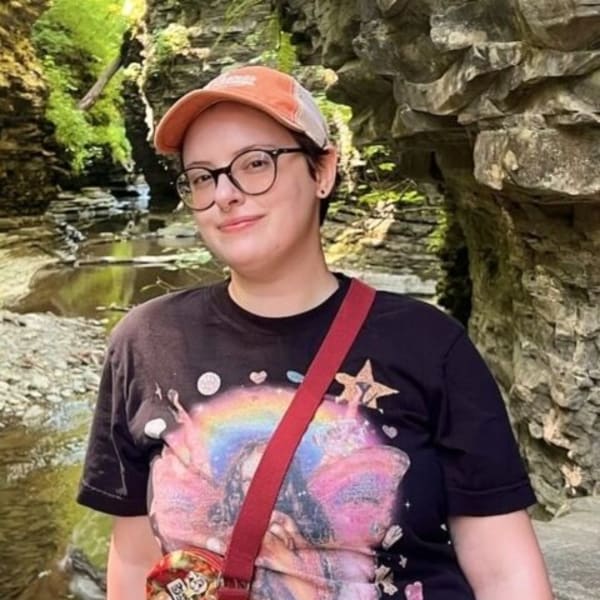
Lex Lawrence, CSWA (they/them)
Licensed Social Worker

Kanani Wasilk-Kindred, PMHNP (she/her)
Psychiatric Mental Health Nurse Practitioner

Tamara Rasmussen, PMHNP
Psychiatric Mental Health Nurse Practitioner

Jennifer Messina, CSWA (she/her)
Clinical Social Worker Associate

April Hinsberger, FNP (she/her)
Family Practice Nurse Practitioner

Amber Rose Dullea, LCSW (she/they)
Licensed Clinical Social Worker

Marco Rudas-Garcia, PMHNP
Psychiatric Mental Health Nurse Practitioner

Ross A. Brown, PMHNP-BC (he/him)
Psychiatric Mental Health Nurse Practitioner

Nat Day, LCSW
Licensed Clinical Social Worker

Madeline Jacobs, PMHNP
Psychiatric Mental Health Nurse Practitioner
Supportive Medication for Recovery
Medication-Assisted Treatment (MAT) is an evidence-based approach that pairs FDA-approved medications with counseling to treat addiction. The medications are used to reduce cravings, ease withdrawal symptoms, or block the effects of substances. More about MAT
Methadone

Naltrexone
Buprenorphine




Note: Treatment centers offer different forms of MAT—such as oral tablets, dissolvable films, or monthly injections—and their policies can vary based on state regulations, provider preferences, and insurance coverage. Because of these differences, it's best to contact the center directly to learn what options are available and what might be right for your situation.
Your Care Options
Specializations
Anxiety
Anxiety is a common mental health condition that can include excessive worry, panic attacks, physical tension, and increased blood pressure.
Depression
Symptoms of depression may include fatigue, a sense of numbness, and loss of interest in activities. This condition can range from mild to severe.
Obsessive Compulsive Disorder (OCD)
OCD is characterized by intrusive and distressing thoughts that drive repetitive behaviors. This pattern disrupts daily life and relationships.
Opioids
Opioids produce pain-relief and euphoria, which can lead to addiction. This class of drugs includes prescribed medication and the illegal drug heroin.
Post Traumatic Stress Disorder
PTSD is a long-term mental health issue caused by a disturbing event or events. Symptoms include anxiety, dissociation, flashbacks, and intrusive thoughts.
Who We Treat
LGBTQ+
Addiction and mental illnesses in the LGBTQ+ community must be treated with an affirming, safe, and relevant approach, which many centers provide.
Men and Women
Men and women attend treatment for addiction in a co-ed setting, going to therapy groups together to share experiences, struggles, and successes.
Treatment Services
Outpatient
During outpatient rehab, patients attend a structured treatment program while continuing to live at home.
Prescribes Medications for Opioid Use Disorder
The provider prescribes medications for addiction treatment, also known as Medication-Assisted Treatment (MAT), for opioid use.
Approaches
Evidence-Based
A combination of scientifically rooted therapies and treatments make up evidence-based care, defined by their measured and proven results.
Medical
Medical addiction treatment uses approved medications to manage withdrawals and cravings, and to treat contributing mental health conditions.
Personalized Treatment
The specific needs, histories, and conditions of individual patients receive personalized, highly relevant care throughout their recovery journey.
Therapies
1-on-1 Counseling
Patient and therapist meet 1-on-1 to work through difficult emotions and behavioral challenges in a personal, private setting.
Eye Movement Therapy (EMDR)
Lateral, guided eye movements help reduce the emotional reactions of retelling and reprocessing trauma, allowing intense feelings to dissipate.
Family Therapy
Family therapy addresses group dynamics within a family system, with a focus on improving communication and interrupting unhealthy relationship patterns.
Medication-Assisted Treatment
Combined with behavioral therapy, prescribed medications can enhance treatment by relieving withdrawal symptoms and focus patients on their recovery.
Online Therapy
Patients can connect with a therapist via videochat, messaging, email, or phone. Remote therapy makes treatment more accessible.
Solution Focused, Goal-Oriented Therapy
A quick goal-oriented therapy that helps patients identify their current and future goals, find out how to achieve them, and empower future problem-solving.
Languages
Conditions We Treat
ADHD, ADD
ADHD is a common mental health condition caused by dopamine imbalance. Common symptoms include inattention, hyperactivitiy, and impulsivity.
Anxiety
Anxiety is a common mental health condition that can include excessive worry, panic attacks, physical tension, and increased blood pressure.
Bipolar
This mental health condition is characterized by extreme mood swings between depression, mania, and remission.
Chronic Pain Management
Long-term physical pain can have an affect on mental health. Without support, it can also impact your daily life and even lead to addiction.
Depression
Symptoms of depression may include fatigue, a sense of numbness, and loss of interest in activities. This condition can range from mild to severe.
Eating Disorders
An eating disorder is a long-term pattern of unhealthy behavior relating to food. Most people with eating disorders have a distorted self-image.
Obsessive Compulsive Disorder (OCD)
OCD is characterized by intrusive and distressing thoughts that drive repetitive behaviors. This pattern disrupts daily life and relationships.
Personality Disorders
Personality disorders destabilize the way a person thinks, feels, and behaves. If untreated, they can undermine relationships and lead to severe distress.
Post Traumatic Stress Disorder
PTSD is a long-term mental health issue caused by a disturbing event or events. Symptoms include anxiety, dissociation, flashbacks, and intrusive thoughts.
Substances We Treat
Alcohol
Using alcohol as a coping mechanism, or drinking excessively throughout the week, signals an alcohol use disorder.
Co-Occurring Disorders
A person with multiple mental health diagnoses, such as addiction and depression, has co-occurring disorders also called dual diagnosis.
Drug Addiction
Drug addiction is the excessive and repetitive use of substances, despite harmful consequences to a person's life, health, and relationships.
Opioids
Opioids produce pain-relief and euphoria, which can lead to addiction. This class of drugs includes prescribed medication and the illegal drug heroin.
Care Designed for Your Needs
Special Considerations
Learn More About the Center
Online Psychiatric Evaluation vs In-Person
Discover how a first psychiatric evaluation can be more convenient and still effective online vs in-person.
What to Know about ADHD Burnout
Learn how to recognize the hidden signs of ADHD burnout and practical strategies to break the cycle.
The Power of Words
Explore how the simple words one chooses can reshape mental health and quality of life.
The Effects of Intergenerational Trauma on Psychiatric Health
Uncover how trauma can shape thoughts, relationships, and mental health, and what psychiatric care can do to help.