Find Treatment By
Rehabs by Location


Learn
About Us
Recovery.com combines independent research with expert guidance on addiction and mental health treatment. Our mission is to help everyone find the best path to recovery through the most comprehensive, helpful network of treatment providers worldwide.
Advisory Council
Our advisory council brings together leaders in behavioral health, technology, and business. Their diverse expertise ensures our resources and product are innovative, evidence-based, and effective. They guide our mission as accomplished individuals dedicated to improving the landscape of addiction recovery and mental wellness.
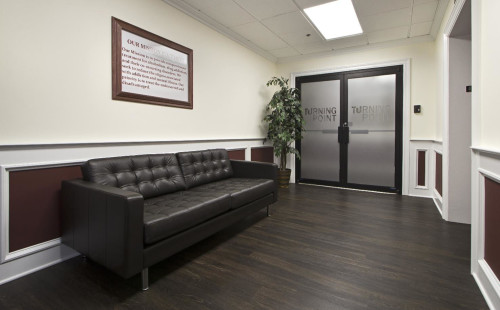
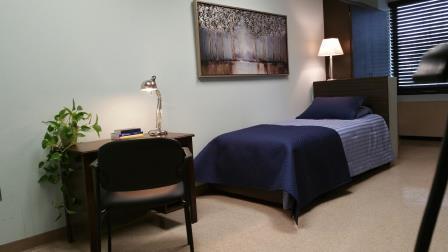
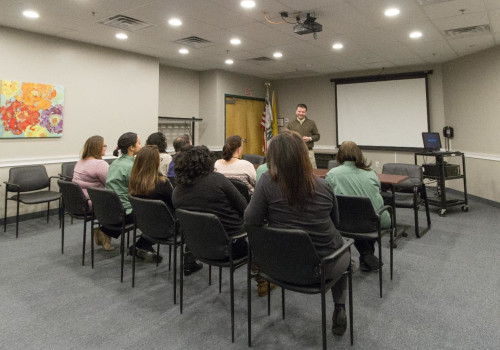
About Turning Point New Jersey
Ranked by Newsweek
Established in 1975, Turning Point New Jersey has helped thousands of adolescents, adults, and their families recover from addiction and co-occurring mental health conditions. Turning Point has been ranked by Newsweek as part of the top 7 best rehabs in New Jersey. They offer a full continuum of services including subacute detox, short and long-term residential care, intensive outpatient programs (IOP), a women's sober living home, and the Aspire Counseling Center in Pompton Plains. The Aspire program is designed to meet the needs of adolescents aged 13-18 struggling with substance use disorder and related mental health conditions.
Multiple Locations
Turning Point’s sort-term recovery plans typically last between 1 and 45 days. Long-term residential treatment is more intensive and usually lasts 90 days. Treatment is primarily designed to foster personal growth and social-skills development. There is an intervention focused on reintegrating the client into the greater community, and where education and vocational development are emphasized. During all programs, clients will participate in evidence-based therapies like cognitive behavioral therapies (CBT), motivational interviewing (MI), individual and group therapy, family counseling, 12-Step facilitation, and medication management. Turning Point's holistic approach to treatment also includes art therapy, sound therapy, yoga, exercise, and off-site activities.
A Holistic Approach
The Turning Point programs are held in multiple locations throughout New Jersey. The caring staff will help clients during every step of the way ensuring long-lasting recovery. Turning Point New Jersey is accredited by CARF and accepts most private insurance.
Center Overview
Supportive Medication for Recovery
Medication-Assisted Treatment (MAT) is an evidence-based approach that pairs FDA-approved medications with counseling to treat addiction. The medications are used to reduce cravings, ease withdrawal symptoms, or block the effects of substances. More about MAT
This center prescribes medications for opioid use disorder and also accepts patients receiving MAT prescribed elsewhere.
This center accepts patients receiving MAT prescribed elsewhere for alcohol use disorder, but does not prescribe it.
Note: Treatment centers offer different forms of MAT—such as oral tablets, dissolvable films, or monthly injections—and their policies can vary based on state regulations, provider preferences, and insurance coverage. Because of these differences, it's best to contact the center directly to learn what options are available and what might be right for your situation.
Cash Pay Rates
Levels of Care

