All CentersThe Blanchard Institute Charlotte

The Blanchard Institute Charlotte

Verified Center

This provider's information has been quality-checked by Recovery.com's Research Team for accuracy and completeness, including center verification through appropriate third-party organizations.

Substance Use and Mental Health

Treatment Focus

This center treats substance use disorders and mental health conditions. You'll receive individualized care catered to your unique situation and diagnosis, learn practical skills for recovery, and make new connections in a restorative environment.

Outpatient

Primary Level of Care

Outpatient treatment offers flexible therapeutic and medical care without the need to stay overnight in a hospital or inpatient facility. Some centers offer intensive outpatient program (IOP), which falls between inpatient care and traditional outpatient service.

4.6
(224)
Insurance

Provider's Policy

We are part of preferred networks with most insurance companies, including BlueCross BlueShield of North Carolina. The admissions team can walk you through any out-of-pocket costs before you begin, so there are no surprises.

The Blanchard Institute in Charlotte looks at the whole picture when someone is dealing with both addiction and mental health concerns. Instead of just treating symptoms, the focus here is on the person behind them. By offering everything from outpatient detox to day programs to long-term recovery support, Blanchard makes sure nobody has to navigate those transitions between levels of care on their own.

Invite Loved Ones to Be Part of the Solution

While many programs treat the individual in a vacuum, Blanchard was built on the belief that for healing to stick, the entire sphere of influence has to be involved. By bringing families into everything from the initial assessment to free weekly workshops and success planning, they help turn loved ones from observers into powerful allies.

Give a Racing Mind Permission to Slow Down

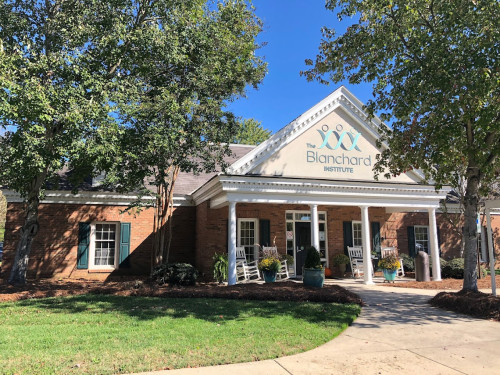
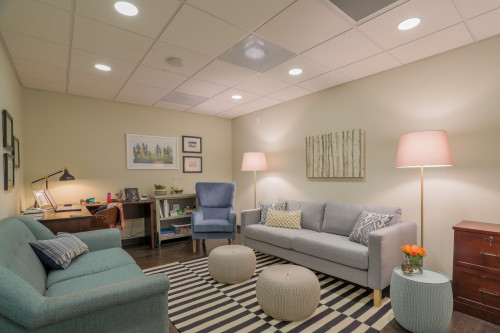
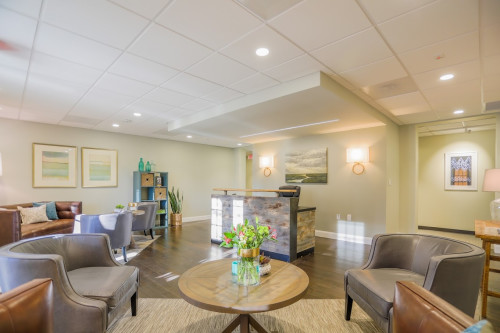
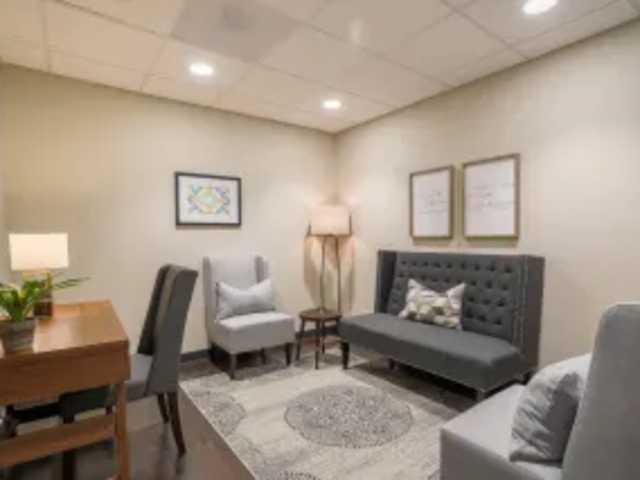
Every detail here, from the specific colors on the walls to the rocking chairs on the porch, is about helping a racing mind slow down. It feels like a quiet spot where someone can catch their breath. Whether they’re doing yoga or just eating lunch outside under the pergola, the whole space is designed to help people feel human.

Walk into a Future with a Team Behind Them

For an eight-month stretch, people can keep checking in with their therapists while also meeting up with fellow alumni at weekly events. Clients leave treatment feeling like they have a safety net that makes sure nobody has to figure out daily life alone.


The Blanchard Institute Charlotte thumbnail

Highlights from the Center

Highlights

These highlights are provided by and paid for by the center.

  • Insurance Accepted

  • Perfect for Professionals

  • Addiction Recovery

AT A GLANCE

Center Overview

Location
10348 Park Rd, Charlotte, NC 28210 View Map
Primary Focus
This center treats substance use disorders and mental health conditions....

Treatment Focus

This center treats substance use disorders and mental health conditions. You'll receive individualized care catered to your unique situation and diagnosis, learn practical skills for recovery, and make new connections in a restorative environment.

Accreditation
Joint Commission

Joint Commission Accredited

The Joint Commission accreditation is a voluntary, objective process that evaluates and accredits healthcare organizations (like treatment centers) based on performance standards designed to improve quality and safety for patients. To be accredited means the treatment center has been found to meet the Commission's standards for quality and safety in patient care.

Typical Program Length
2 weeks to 2 months
Founded in 2017
9 years in business
Conditions We Treat
ADHD, ADD, Anger, Anxiety, Bipolar +20 More
Substance Use We Treat
Alcohol, Benzodiazepines, Chronic Relapse, Co-Occurring Disorders +11 More
Testimonial
Blanchard is an amazing resource for my family. I am so thankful we found them. They taught us so much about the disease of addiction. If you or a loved one are struggling I highly recommend this family centered program.
A
Anonymous
How to pay

Insurance Accepted

BlueCross BlueShield
United Healthcare
Aetna
Cigna
Anthem
Tricare
Humana
Highmark
Molina Healthcare
Optum
Carelon Behavioral Health
Provider's Policy: We are part of preferred networks with most insurance companies, including BlueCross BlueShield of North Carolina. The admissions team can walk you through any out-of-pocket costs before you begin, so there are no surprises.
Verify Insurance
Bring Chosen Family into the Fold
Whether it is biological or chosen family, involving a support system from day one helps create a shared language of healing. Through free workshops and resiliency groups, loved ones learn the science behind their loved one’s struggle and trade frustration for empathy.
Master the Internal Response to High-Stress Moments
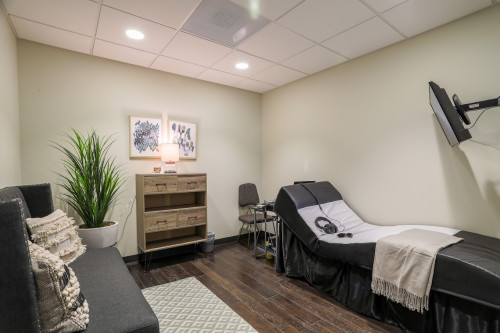
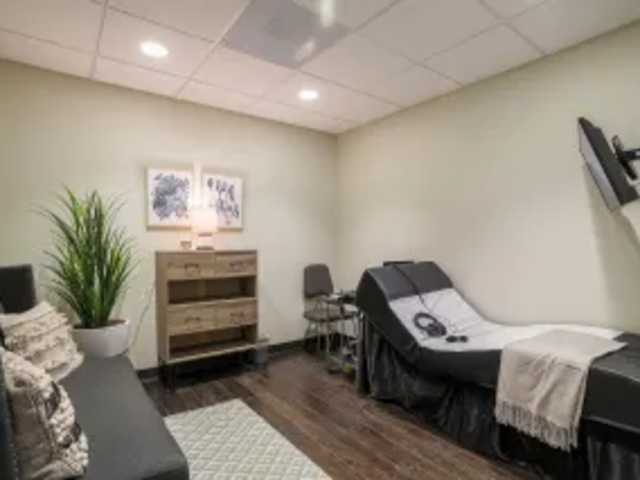
Biosound therapy works like a physical reset for a nervous system stuck in high-stress mode. By combining gentle vibrations with calming sound frequencies, this experience helps the body shift out of tension and into deep relaxation within minutes. Clients can get real-time biofeedback and learn how to stabilize their own response to stress.
Navigate Detox in Total Privacy
Sometimes, the best place to heal is at home. By providing 24/7 nursing access and psychiatric oversight, the outpatient detox program allows individuals to safely navigate withdrawal without losing the comfort and privacy of their own space. To ensure safety, a dedicated support person must accompany them to collect medications and is encouraged to remain by their side throughout the process before beginning treatment.
Support the Entire System through Mindful Eating
Eating well at Blanchard is about giving the brain the tools it needs to stay sober. When the body gets the right nutrients, it starts repairing the nervous system damage that causes mood swings and brain fog. By stabilizing blood sugar and brain chemistry, these meals help intense cravings, making it much easier to feel good and stay on track.

Recovery.com Verified Listing

Recovery.com verified that the name, location, contact information and license to operate for this treatment provider are valid and up-to-date.

Licensed by North Carolina
Licensed by North Carolina

Joint Commission Accredited

Joint Commission Accredited

CARF Accredited

CARF Accredited

Recovery.com is an independent, third-party mental health resource. Verification does not imply endorsement and does not guarantee the quality of treatment services.

Staff

Meet Your Care Team

Dr. Elise Herman

Dr. Elise Herman

Chief Medical Officer

Alexis Olivares

Alexis Olivares

Primary Therapist

MA, LMFT
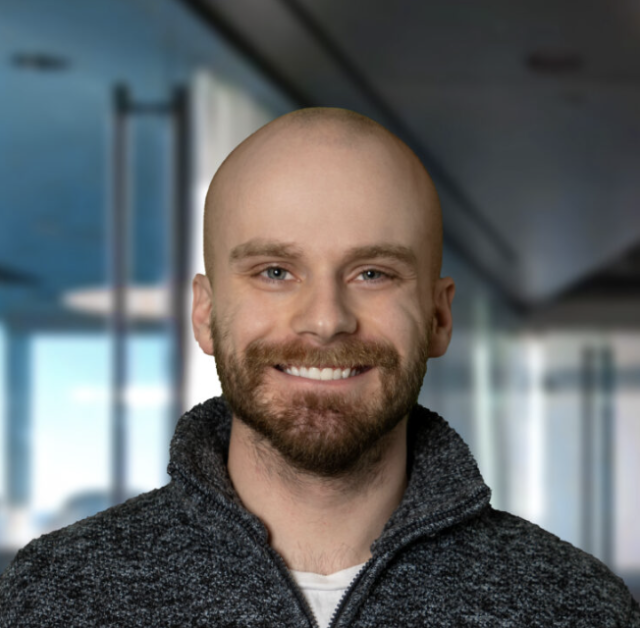
Chance Justice

Chance Justice

Primary Therapist

LCAS-A, PSS
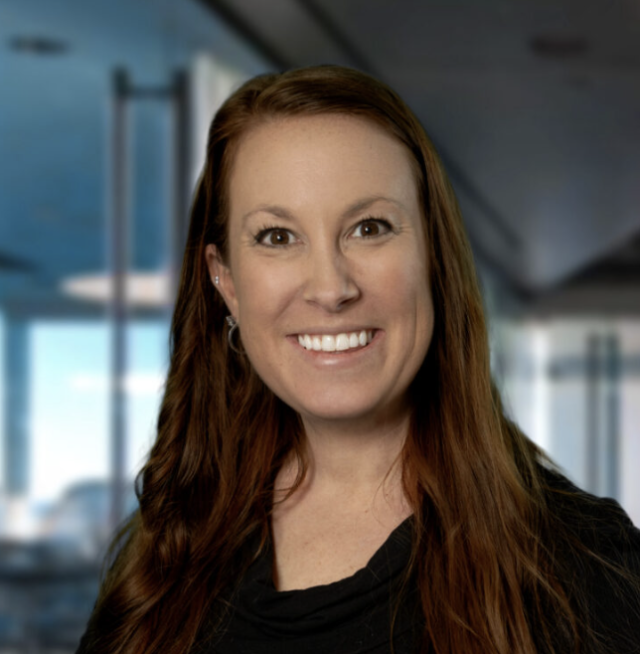
Christie Whisenanat

Christie Whisenanat

Clinical Director

MA, LCAS, CCS, LCMHCS

MEDICATION ASSISTED TREATMENT

Supportive Medication for Recovery

Medication-Assisted Treatment (MAT) is an evidence-based approach that pairs FDA-approved medications with counseling to treat addiction. The medications are used to reduce cravings, ease withdrawal symptoms, or block the effects of substances. More about MAT

Methadone

(Dolophine®, Methadose®)
Reduces opioid cravings
Not Available

Naltrexone

(Vivitrol®, Revia®)
Blocks opioid effects
Available

Buprenorphine

(Suboxone®, Subutex®, Sublocade®, Zubsolv®)
Eases opioid withdrawal
Available

Note: Treatment centers offer different forms of MAT—such as oral tablets, dissolvable films, or monthly injections—and their policies can vary based on state regulations, provider preferences, and insurance coverage. Because of these differences, it's best to contact the center directly to learn what options are available and what might be right for your situation.

Treatment

Your Care Options

Specializations

Alcohol

Alcohol

Using alcohol as a coping mechanism, or drinking excessively throughout the week, signals an alcohol use disorder.

Anxiety

Anxiety

Anxiety is a common mental health condition that can include excessive worry, panic attacks, physical tension, and increased blood pressure.

Depression

Depression

Symptoms of depression may include fatigue, a sense of numbness, and loss of interest in activities. This condition can range from mild to severe.

Family Involvement

Family Involvement

Providers involve family in the treatment of their loved one through family therapy, visits, or both–because addiction is a family disease.

Gender-specific groups

Gender-specific groups

Patients in gender-specific groups gain the opportunity to discuss challenges unique to their gender in a comfortable, safe setting conducive to healing.

Holistic

Holistic

A non-medicinal, wellness-focused approach that aims to align the mind, body, and spirit for deep and lasting healing.

Opioids

Opioids

Opioids produce pain-relief and euphoria, which can lead to addiction. This class of drugs includes prescribed medication and the illegal drug heroin.

Outpatient

Outpatient

During outpatient rehab, patients attend a structured treatment program while continuing to live at home.

Who We Treat

Men
Women
Couples
Men and Women

Men and Women

Men and women attend treatment for addiction in a co-ed setting, going to therapy groups together to share experiences, struggles, and successes.

Treatment Services

Day Treatment

Day Treatment

In a PHP, patients live at home but follow an intensive schedule of treatment. Most programs require you to be on-site for about 40 hours per week.

Detox

Detox

Detox fully and safely removes toxic substances from the body, allowing the next steps in treatment to begin with a clean slate.

Intensive Outpatient Program

Intensive Outpatient Program

In an IOP, patients live at home or a sober living, but attend treatment typically 9-15 hours a week. Most programs include talk therapy, support groups, and other methods.

Licensed Primary Mental Health

Licensed Primary Mental Health

Some primary care providers offer mental health diagnosis and treatment. This can prevent patients from developing more serious conditions.

Outpatient

Outpatient

During outpatient rehab, patients attend a structured treatment program while continuing to live at home.

Outpatient Therapy
Prescribes Medications for Alcohol Use Disorder

Prescribes Medications for Alcohol Use Disorder

The provider prescribes medications for addiction treatment, also known as Medication-Assisted Treatment (MAT), for alcohol use.

Prescribes Medications for Opioid Use Disorder

Prescribes Medications for Opioid Use Disorder

The provider prescribes medications for addiction treatment, also known as Medication-Assisted Treatment (MAT), for opioid use.

Sober Living

Sober Living

These structured living environments help people transition out of rehab. Residents have more freedom than they do during rehab, but still follow certain rules.

Approaches

Evidence-Based

Evidence-Based

A combination of scientifically rooted therapies and treatments make up evidence-based care, defined by their measured and proven results.

Family Involvement

Family Involvement

Providers involve family in the treatment of their loved one through family therapy, visits, or both–because addiction is a family disease.

Individual Treatment

Individual Treatment

Individual care meets the needs of each patient, using personalized treatment to provide them the most relevant care and greatest chance of success.

Twelve Step

Twelve Step

Incorporating spirituality, community, and responsibility, 12-Step philosophies prioritize the guidance of a Higher Power and a continuation of 12-Step practices.

Therapies

1-on-1 Counseling

1-on-1 Counseling

Patient and therapist meet 1-on-1 to work through difficult emotions and behavioral challenges in a personal, private setting.

Acceptance and Commitment Therapy (ACT)

Acceptance and Commitment Therapy (ACT)

This cognitive behavioral therapy teaches patients to accept challenging feelings and make the appropriate changes to reach personal goals.

Acupuncture
Art Therapy

Art Therapy

Visual art invites patients to examine the emotions within their work, focusing on the process of creativity and its gentle therapeutic power.

Cognitive Behavioral Therapy
Couples Counseling

Couples Counseling

Partners work to improve their communication patterns, using advice from their therapist to better their relationship and make healthy changes.

Dialectical Behavior Therapy
Expressive Arts

Expressive Arts

Creative processes like art, writing, or dance use inner creative desires to help boost confidence, emotional growth, and initiate change.

Eye Movement Therapy (EMDR)

Eye Movement Therapy (EMDR)

Lateral, guided eye movements help reduce the emotional reactions of retelling and reprocessing trauma, allowing intense feelings to dissipate.

Languages

English

Conditions We Treat

ADHD, ADD

ADHD, ADD

ADHD is a common mental health condition caused by dopamine imbalance. Common symptoms include inattention, hyperactivitiy, and impulsivity.

Anger

Anger

Although anger itself isn't a disorder, it can get out of hand. If this feeling interferes with your relationships and daily functioning, treatment can help.

Anxiety

Anxiety

Anxiety is a common mental health condition that can include excessive worry, panic attacks, physical tension, and increased blood pressure.

Bipolar

Bipolar

This mental health condition is characterized by extreme mood swings between depression, mania, and remission.

Burnout

Burnout

Burnout entails mental and physical exhaustion, and leads to a severe lack of fulfillment. This condition is often caused by overwork.

Codependency

Codependency

Codependency is a pattern of emotional dependence and controlling behavior. It's most common among people with addicted loved ones.

Depression

Depression

Symptoms of depression may include fatigue, a sense of numbness, and loss of interest in activities. This condition can range from mild to severe.

Gambling

Gambling

Excessive, repetitive gambling causes financial and interpersonal problems. This addiction can interfere with work, friendships, and familial relationships.

Gaming

Gaming

Compulsive gaming is most often a problem for children and teens. The disorder can affect physical health, sleep, and the ability to focus at school.

Substances We Treat

Alcohol

Alcohol

Using alcohol as a coping mechanism, or drinking excessively throughout the week, signals an alcohol use disorder.

Benzodiazepines

Benzodiazepines

Benzodiazepines are prescribed to treat anxiety and sleep issues. They are highly habit forming, and their abuse can cause mood changes and poor judgement.

Chronic Relapse

Chronic Relapse

Consistent relapse occurs repeatedly, after partial recovery from addiction. This condition requires long-term treatment.

Co-Occurring Disorders

Co-Occurring Disorders

A person with multiple mental health diagnoses, such as addiction and depression, has co-occurring disorders also called dual diagnosis.

Cocaine

Cocaine

Cocaine is a stimulant with euphoric effects. Agitation, muscle ticks, psychosis, and heart issues are common symptoms of cocaine abuse.

Drug Addiction

Drug Addiction

Drug addiction is the excessive and repetitive use of substances, despite harmful consequences to a person's life, health, and relationships.

Ecstasy

Ecstasy

Ecstasy is a stimulant that causes intense euphoria and heightened awareness. Abuse of this drug can trigger depression, insomnia, and memory problems.

Heroin

Heroin

Heroin is a highly addictive and illegal opioid. It can cause insomnia, collapsed veins, heart issues, and additional mental health issues.

Ketamine

Aftercare

Drug Screening
Family Follow-up Counseling
Support Meetings
Follow-up Sessions (online)
Relapse Prevention Planning
Alumni Events & Get-Togethers
Follow-up Sessions (in-person)
Experience

Care Designed for Your Needs

Amenities

Access to Nature
Allow Cell Phones
Outdoor Lounge

Special Considerations

Gender-specific groups

Gender-specific groups

Patients in gender-specific groups gain the opportunity to discuss challenges unique to their gender in a comfortable, safe setting conducive to healing.

Family Program
Justice Involved
Wheelchair Accessible
Flexible technology policies

Flexible technology policies

Centers with flexible technology policies allow professionals to stay in touch with work and give patients a greater sense of connection and normalcy.

Couples program

Couples program

Using gentle clinical care, therapists guide patients and their partner through guided sessions to address issues and work towards lasting solutions.

Activities

Yoga

Yoga

Yoga is both a physical and spiritual practice. It includes a flow of movement, breathing techniques, and meditation.

Smoking and Vaping Policy

Smoking Allowed in Designated Areas
Vaping Allowed in Designated Areas
Frequently Asked Questions

Further Research

The following therapies are included: acupuncture, group therapy and more.
Charlotte, North Carolina, United States.
We are part of preferred networks with most insurance companies, including BlueCross BlueShield of North Carolina. The admissions team can walk you through any out-of-pocket costs before you begin, so there are no surprises.
The typical length is 2 weeks to 2 months.
Yes, they offer detox.
The Blanchard Institute Charlotte provides day treatment, detox and more.