Find Treatment By
Rehabs by Location


Learn
About Us
Recovery.com combines independent research with expert guidance on addiction and mental health treatment. Our mission is to help everyone find the best path to recovery through the most comprehensive, helpful network of treatment providers worldwide.
Advisory Council
Our advisory council brings together leaders in behavioral health, technology, and business. Their diverse expertise ensures our resources and product are innovative, evidence-based, and effective. They guide our mission as accomplished individuals dedicated to improving the landscape of addiction recovery and mental wellness.
What Is Gamblers Anonymous? A Guide to Meetings, Recovery, and Support


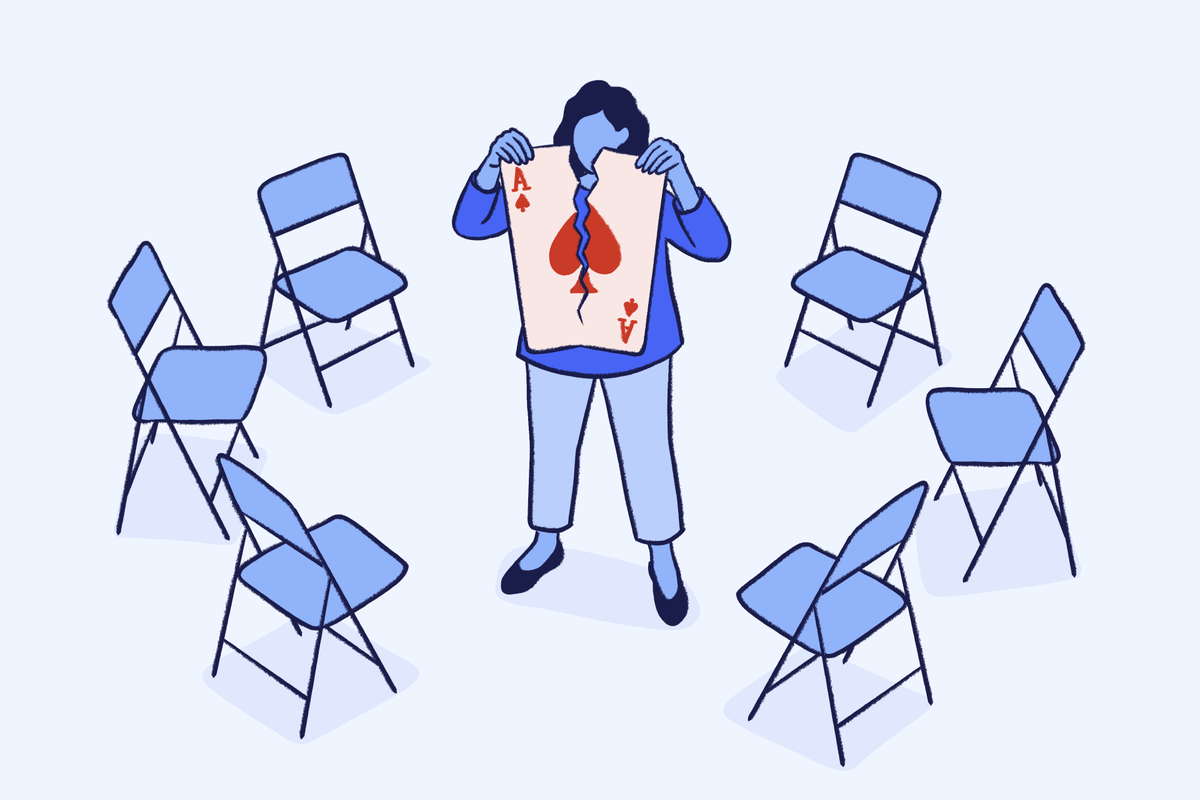
- Gambling addiction is a recognized behavioral addiction that can affect a person's finances, relationships, and mental health, but effective treatment and support are available.
- Gamblers Anonymous is a free, peer-led 12-Step fellowship that helps people recover from compulsive gambling through community, accountability, and shared experience.
- Newcomers are welcome at Gamblers Anonymous meetings, and participation is voluntary. Many people attend their first meeting simply to listen and learn.
- Family members and loved ones can find their own support through Gam-Anon, a separate 12-Step program for people affected by someone else's gambling.
If gambling has started affecting your finances, mental health, relationships, or overall well-being, know that you're not alone. Many people struggling with gambling addiction feel ashamed, trapped, or uncertain about what to do next. Reaching out for help can be difficult, but it's often the first step toward positive change.
The good news is that support comes in many forms. Some people find help through peer support groups, while others benefit from professional treatment, self-help resources, or a combination of approaches.
One of the most widely available recovery resources is Gamblers Anonymous, a free support group where people come together to share their experiences, support one another, and work toward a life free from compulsive gambling.
This page will help you learn more about Gamblers Anonymous, including how the program works, what to expect at your first meeting, and how to find Gamblers Anonymous meetings and other recovery resources near you.
What Is Gambling Addiction?
Gambling addiction, also referred to as gambling disorder or problem gambling, is a recognized mental health condition listed in the Diagnostic and Statistical Manual of Mental Disorders, Fifth Edition (DSM-5).1 It's classified as a behavioral addiction, meaning the compulsive behavior itself, rather than a substance, drives the cycle of dependence.
Not everyone who gambles develops an addiction. Buying lottery tickets every week or placing the occasional bet can be a form of entertainment for many people. A gambling addiction takes hold when that behavior becomes compulsive; when someone feels unable to stop despite negative consequences to their finances, mental health, or relationships.1
The DSM-5 identifies gambling disorder by persistent and repeated problematic gambling behavior, including things like needing to bet increasing amounts of money to feel the same excitement, becoming restless or irritable when trying to cut back, and continuing to gamble after significant losses.1
While some people develop compulsive gambling behavior in pursuit of financial gain, others are driven primarily by the emotional rush and the thrill of risk itself. That intense high is similar to what people experience with substance use disorder (SUD), which is part of why gambling disorder responds to many of the same treatment approaches, including cognitive behavioral therapy (CBT) and peer support through Gamblers Anonymous.
What Is Gamblers Anonymous?
Gamblers Anonymous is a free, peer-led 12-Step program for people who want to stop compulsive gambling and rebuild their lives through community, experience, and a structured path to recovery.2
The fellowship traces its roots to January 1957, when two men with a shared history of compulsive gambling began meeting regularly and found that, as the months passed, neither had returned to gambling.3 Their first official group meeting was held on September 13, 1957, in Los Angeles, California, and the organization has grown steadily ever since, with groups now active throughout the world.3
Gamblers Anonymous is built on the idea that sheer willpower isn't enough to overcome compulsive gambling, which is why the program centers on community, experience, and a structured 12-Step program of recovery. There are no dues or fees to participate. Gamblers Anonymous meetings are available in person, as virtual meetings, and by telephone, making it easier to find a meeting that fits your schedule and needs.
Explore Gambling Treatment Centers
What Are the 12 Steps of Gamblers Anonymous?
The 12 Steps of Gamblers Anonymous provide a structured framework for recovery from compulsive gambling. Like Alcoholics Anonymous (AA), it’s built on a 12-Step model that encourages members to acknowledge the impact of their addiction, take responsibility for past actions, make amends where possible, and develop healthier ways of living.
Many Gamblers Anonymous members also read literature adapted from AA traditions, including concepts found in the Big Book. The program emphasizes accountability, honesty, and service to others, as well as spiritual growth as each member understands it. Alongside the 12 Steps, many members draw inspiration from the 12 Promises, a set of recovery principles that describe the positive changes people may experience as they progress in their recovery journey.
The 12 Steps of Gamblers Anonymous are:4
- We admitted we were powerless over gambling - that our lives had become unmanageable.
- Came to believe that a Power greater than ourselves could restore us to a normal way of thinking and living.
- Made a decision to turn our will and our lives over to the care of this Power of our own understanding.
- Made a searching and fearless moral and financial inventory of ourselves.
- Admitted to ourselves and to another human being the exact nature of our wrongs.
- Were entirely ready to have these defects of character removed.
- Humbly asked God (of our understanding) to remove our shortcomings.
- Made a list of all persons we had harmed and became willing to make amends to them all.
- Made direct amends to such people wherever possible, except when to do so would injure them or others.
- Continued to take personal inventory and when we were wrong, promptly admitted it.
- Sought through prayer and meditation to improve our conscious contact with God as we understood Him, praying only for knowledge of His will for us and the power to carry that out.
- Having made an effort to practice these principles in all our affairs, we tried to carry this message to other compulsive gamblers.
Members work through the Steps at their own pace, often with guidance from a sponsor, who is someone with more experience in the program. While completing the Steps is an important part of recovery for many people, Gamblers Anonymous also emphasizes the value of attending meetings regularly, building connections with peers, and maintaining long-term accountability and support.














What to Expect at Your First Gamblers Anonymous Meeting
Attending your first Gamblers Anonymous meeting can feel intimidating, but many people find that simply showing up is one of the hardest (and most important) steps. If you're nervous about what to expect, you're not alone. Many newcomers worry about being judged or pressured to share personal details. In reality, Gamblers Anonymous meetings are designed to be welcoming, supportive spaces where people with similar experiences come together to help one another stay free from compulsive gambling.
Most meetings follow a structured format that may include readings from Gamblers Anonymous literature, discussions of recovery principles, and opportunities for members to share their experiences. However, participation is voluntary. You won't be required to speak, and many first-time attendees choose to listen and observe until they feel more comfortable.
Anonymity is a central part of the program. Members are expected to respect one another's privacy and create an environment where people can speak openly about their recovery journeys. You'll likely meet people from different backgrounds and walks of life, but all share a common goal: overcoming compulsive gambling and building healthier lives.
There are no dues or membership fees, and the only requirement for joining is a desire to stop gambling. While every meeting is a little different, many newcomers leave feeling less isolated and more hopeful after hearing from others who understand what they're going through. Even if you're unsure whether Gamblers Anonymous is right for you, attending a meeting can be a valuable way to explore your recovery options and connect with support.
Types of Gamblers Anonymous Meetings
Gamblers Anonymous meetings are available in a variety of formats to fit different needs and schedules. Open meetings welcome anyone, including family members and loved ones, who wants to learn more about the program. Closed meetings are reserved for those who identify as having a gambling problem.
In-person meetings remain the most common format, but virtual meetings have made the program more accessible to people who can't attend locally.
Whether you're looking for an in-person or virtual meeting, you can use the Gamblers Anonymous meeting locator at GamblersAnonymous.org to find a meeting near you by day of the week, city, or zip code.
Gam-Anon Meetings for Family and Friends
While Gamblers Anonymous is designed for people struggling with compulsive gambling, Gam-Anon provides support for the family and friends affected by a loved one's gambling. Gam-Anon is a separate 12-Step fellowship that helps people cope with the emotional, financial, and relationship challenges that often accompany gambling addiction.
Living with someone who has a gambling problem can lead to anxiety, stress, financial uncertainty, and feelings of isolation. Through peer support meetings, members share their experiences, learn healthy coping strategies, and find encouragement from others who understand what they're going through. The program focuses on helping participants regain peace of mind and improve their own well-being, regardless of whether their loved one chooses to seek help or stop gambling.
Like Gamblers Anonymous, Gam-Anon follows a 12-Step approach and offers both in-person and virtual meetings. Anyone affected by another person's gambling is welcome to attend, and there are no dues or fees for membership.
Find Treatment Centers for Gambling Addiction Support
Gambling addiction can affect your finances, mental health, relationships, and more, but you don’t have to face it alone. Recovery.com can help you find treatment centers that treat gambling addiction and other behavioral addictions through therapy and structured care. Compare trusted programs and take the next step toward stability, healing, and long-term recovery today.
FAQs
A gambling addiction may involve spending more money than intended, hiding gambling behavior, chasing losses, or feeling unable to stop despite negative consequences. If gambling is affecting finances, relationships, or emotional well-being, it may be time to seek support.
Yes. Gambling addiction, often referred to as a gambling disorder, is recognized as a behavioral addiction. It shares many characteristics with substance use disorders, including cravings, loss of control, and continued behavior despite harm.
Gambling addiction can develop for several reasons, including the excitement of risk, the “rush” of winning, financial stress, or using gambling as a way to cope with difficult emotions. Many people describe a strong urge to keep playing, even when they know it’s harmful.
Gamblers Anonymous follows a 12-Step model that encourages honesty, accountability, connection with peers, and ongoing personal growth. Meetings create a supportive space for participants to share experiences and learn strategies to stop gambling.
Yes. Many treatment centers offer counseling, cognitive behavioral therapy (CBT), support groups, and specialized programs for gambling addiction. These services help patients understand their patterns, build coping skills, and repair financial and emotional effects.
Absolutely. With the right support—such as therapy, peer groups, financial planning, and structured treatment—many people regain control of their lives. Recovery is an ongoing process, but it is achievable.
Loved ones can offer support by setting healthy boundaries, encouraging professional help, learning about gambling addiction, and seeking support for themselves. Many families also benefit from groups like Gam-Anon.

Our Promise
How Is Recovery.com Different?
We believe everyone deserves access to accurate, unbiased information about mental health and recovery. That's why we have a comprehensive set of treatment providers and don't charge for inclusion. Any center that meets our criteria can list for free. We do not and have never accepted fees for referring someone to a particular center. Providers who advertise with us must be verified by our Research Team and we clearly mark their status as advertisers.
Our goal is to help you choose the best path for your recovery. That begins with information you can trust.