Find Treatment By
Rehabs by Location


Learn
About Us
Recovery.com combines independent research with expert guidance on addiction and mental health treatment. Our mission is to help everyone find the best path to recovery through the most comprehensive, helpful network of treatment providers worldwide.
Advisory Council
Our advisory council brings together leaders in behavioral health, technology, and business. Their diverse expertise ensures our resources and product are innovative, evidence-based, and effective. They guide our mission as accomplished individuals dedicated to improving the landscape of addiction recovery and mental wellness.
Co-Dependents Anonymous Meetings: What to Expect and How CoDA Helps Recovery


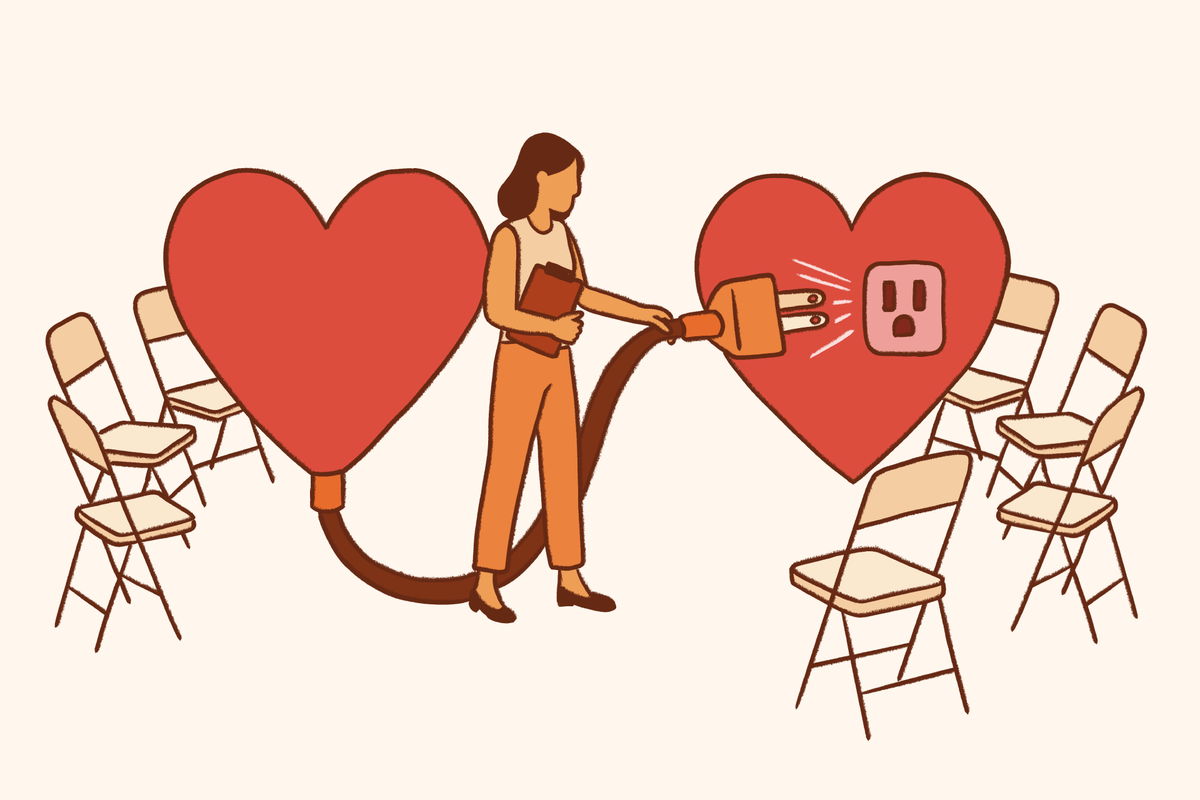
- Co-Dependents Anonymous (CoDA) is a 12-Step fellowship that can help people develop healthier and more balanced relationships.
- CoDA meetings provide peer support, self-reflection, and tools for recovery from codependency.
- Anyone who desires healthy and loving relationships can attend CoDA meetings.
- Therapy, support groups, and addiction treatment programs can all play a role in codependency recovery.
Co-Dependents Anonymous (CoDA) is a support group for people recovering from codependent relationship patterns. Through peer support and a structured 12-Step framework, CoDA helps members build healthy relationships with themselves and others.1
Many people who struggle with codependency find themselves prioritizing others' needs over their own. They might have trouble setting boundaries or feel responsible for other people's behaviors and emotions. CoDA offers a supportive community where members can explore these patterns and work toward lasting change.
Understanding what CoDA is and how to find meetings can help you determine whether this recovery approach may be right for you or someone you love.
What Is Co-Dependents Anonymous (CoDA)?
Co-Dependents Anonymous (CoDA) is a 12-Step recovery fellowship for people who want to develop healthier relationships.1 Like other 12-Step programs, CoDA combines peer support, personal accountability, and spiritual growth to help members address unhealthy relationship patterns.1
According to CoDA, the only requirement for membership is a desire for healthy and loving relationships.1 Meetings are typically free to attend, with voluntary contributions helping support local groups.
Rather than diagnosing members, CoDA encourages members to review common patterns associated with codependency and decide for themselves whether the program may be helpful.2
Additional information about the fellowship, member resources, and recovery tools can be found through CoDA.org.
Find The Perfect Treatment For You
Answer a few questions and we'll match you with the best options.
What Are You Struggling With?
What Kind of Care Do You Need?
What Insurance Do You Have?
What Are the 12 Steps of CoDA?
CoDA is built upon the Twelve Steps, which encourage accountability, self-reflection, and spiritual development.1
Members are encouraged to develop a relationship with a higher power of their own understanding. For some people, this may be God. For others, it may be a broader sense of connection or spirituality.3 CoDA, and other Twelve-Step programs like Alcoholics Anonymous (AA) are spiritual in nature, but not religious.
The Twelve Steps of CoDA are:4
- We admitted we were powerless over others—that our lives had become unmanageable.
- Came to believe that a power greater than ourselves could restore us to sanity.
- Made a decision to turn our will and our lives over to the care of God as we understood God.
- Made a searching and fearless moral inventory of ourselves.
- Admitted to God, to ourselves, and to another human being the exact nature of our wrongs.
- Were entirely ready to have God remove all these defects of character.
- Humbly asked God to remove our shortcomings.
- Made a list of all persons we had harmed and became willing to make amends to them all.
- Made direct amends to such people wherever possible, except when to do so would injure them or others.
- Continued to take personal inventory and, when we were wrong, promptly admitted it.
- Sought through prayer and meditation to improve our conscious contact with God as we understood God, praying only for knowledge of God’s will for us and the power to carry that out.
- Having had a spiritual awakening as a result of these steps, we tried to carry this message to other codependents and practice these principles in all our affairs.
Members work through the Steps at their own pace. Many people choose to work with a sponsor, who is a more experienced member who provides guidance and support throughout the recovery process.
Explore Codependency Treatment Centers
What Is Codependence? Patterns and Signs of Codependency
CoDA purposely doesn’t offer a definition or diagnostic criteria for codependency, and instead, states that recovery begins with an honest self-diagnosis.2
CoDA does, however, identify common behavior patterns that may be associated with codependency.5 These patterns of codependence can affect how people view themselves, interact with others, and maintain boundaries in relationships.
Common codependency patterns include:5
- Denial patterns: If you have codependent patterns, you may have trouble identifying your feelings. You may frequently change, deny, or minimize how you’re truly feeling.
- Low self-esteem patterns: This includes having trouble making decisions. You might worry people will judge you for what you do, say, or think.
- Compliance patterns: You might compromise your integrity or values to avoid rejection or prioritize others’ interests over your own.
- Control patterns: These patterns include believing people are incapable of taking care of themselves. This can lead to behaviors like trying to convince others what to do, feel, or think.
- Avoidance patterns: Avoidance patterns might include acting in ways that invite others to reject or shame you. This can include avoiding emotional, physical, or sexual intimacy to avoid vulnerability.














What to Expect At Your First CoDA Meeting
Walking into your first CoDA meeting can feel intimidating, especially if you're unsure what to expect. Understanding the format ahead of time may help you feel more comfortable.
Many CoDA meetings include between five and 25 participants and typically last 60 to 90 minutes.3 Before attending, it's a good idea to use the CoDA Meeting Locator to find a meeting and confirm the meeting details, including the date, time, and location.
To protect privacy, CoDA members use only their first names, and anything shared during meetings remains confidential.3
CoDA meetings generally follow a structured format that includes introductions and readings. You may hear members introduce themselves by first name and describe themselves as codependent or recovering from codependency. If you're invited to introduce yourself, participation is entirely optional. You can simply listen if that's what feels more comfortable.3
Common readings include the CoDA Preamble, Welcome, Twelve Steps, and Twelve Traditions. Depending on the group, meetings may also reference CoDA literature or other meeting materials that support recovery work.
During the meeting, members share their thoughts, feelings, experiences, and progress in recovery. Some meetings invite participants to share one at a time, while others have a more open format.3
One important guideline you'll notice is the practice of "no cross-talk." This means participants don't interrupt, give advice, or comment on another person's sharing. Instead, everyone focuses on their own experiences. This approach helps create a respectful environment where people can speak openly and honestly.3
Some meetings circulate a contact list that includes first names and phone numbers. Certain meetings may also provide information about local events, Step study groups, or additional recovery opportunities.
Signing up is optional, but many people find these connections helpful as they continue their recovery journey. Meetings often close with a group prayer, such as the Serenity Prayer. Participation is voluntary, and no one is required to recite a prayer or engage in any activity that feels uncomfortable.3
If you're unsure whether CoDA is the right fit, consider attending several meetings before making a decision. Different groups can have different atmospheres, and it may take time to find one where you feel comfortable. In addition to in-person meetings, CoDA offers virtual meetings, making support accessible regardless of where you live.3
CoDA's meeting directory includes local and virtual options, including U.S. meetings and international meetings. Some groups are tailored to specific populations, such as women only meetings or CoDAteen meetings for younger participants.
Codependency and Addiction
Codependency and addiction can occur together, especially within families or relationships.
While codependency isn’t recognized as a formal mental health diagnosis in the Diagnostic and Statistical Manual of Mental Disorders, Fifth Edition (DSM-5), it has been widely studied as a pattern of behaviors that can develop in response to another person's challenges, including mental health disorders. Researchers even proposed codependence as a personality disorder in the early 1990s, but it was never officially added to the DSM.6
Addiction, also known as a substance use disorder (SUD), is a chronic condition characterized by the continued use of alcohol or drugs despite negative consequences.7 A person with an SUD may find it difficult to control their substance use, even when it affects their health, relationships, work, or daily responsibilities.7
The connection between codependency and addiction can develop gradually. A person may begin by trying to help a loved one who is struggling with alcohol addiction, drug addiction, or another SUD. Over time, however, those efforts can shift into unhealthy patterns that prioritize the other person's needs at the expense of their own well-being.8
For example, someone might regularly make excuses for a loved one's behavior, cover up the consequences of their drug use, provide financial support that enables continued substance misuse, or take responsibility for problems the other person created. While these actions are usually motivated by concern, they can unintentionally reinforce addictive behaviors and make it harder for the person to seek addiction treatment.8
Codependent relationships are often driven by a fear of abandonment, conflict, or rejection. As a result, the codependent person may struggle to set healthy boundaries or express their own needs. This can create a cycle in which one person's addiction and the other person's codependent behaviors continue to influence each other.8
Are There Treatments for Codependency?
Support groups like CoDA can be helpful, but many people also benefit from additional treatment and professional support.
Codependency treatment varies based on your unique needs, symptoms, and any co-occurring conditions. Many people can benefit from a combination of individual therapy, group therapy, and family therapy, which can help identify unhealthy relationship patterns, improve communication, and build healthier boundaries.9
Because codependent behaviors often develop in response to childhood experiences or family dynamics, treatment may also explore how early relationships influence current thoughts, feelings, and behaviors.9 Therapeutic approaches such as cognitive behavioral therapy (CBT) and dialectical behavior therapy (DBT) can help you develop greater self-awareness, manage difficult emotions, and replace self-defeating patterns with healthier coping skills.10
If you're also living with a substance use disorder (SUD) or another mental health condition, co-occurring disorder treatment may help address both concerns at the same time. For many people, involving loved ones through family therapy can support healing and improve family functioning throughout the recovery process.11
Finding Support for Codependency
If you're exploring CoDA or beginning to recognize patterns of codependency, you don't have to navigate recovery alone. Support groups, therapy, and professional treatment programs can help you build healthier relationships, strengthen boundaries, and improve your overall well-being.
Recovery.com can help you find and compare treatment centers for codependency and other mental health challenges. Explore your options today and connect with care that supports long-term healing and personal growth.
FAQs
Co-Dependents Anonymous (CoDA) is a 12-Step fellowship for people who want healthier and more balanced relationships. Members support one another through meetings, shared experiences, and personal growth using the Twelve Steps.1
Anyone with a desire for healthy and loving relationships can join CoDA. There are no membership fees, diagnoses, or referrals required.1
CoDA meetings typically include readings, personal sharing, and discussion of recovery topics. Participants are encouraged to share only if they feel comfortable, and meetings generally follow a no cross-talk format.3
CoDA describes common patterns such as people-pleasing, difficulty setting boundaries, low self-esteem, controlling behaviors, avoidance, and fear of abandonment.5
CoDA provides peer support, self-reflection, accountability, and practical tools for building healthier relationships. Many members find that participation helps reduce isolation and supports long-term personal growth.

Our Promise
How Is Recovery.com Different?
We believe everyone deserves access to accurate, unbiased information about mental health and recovery. That's why we have a comprehensive set of treatment providers and don't charge for inclusion. Any center that meets our criteria can list for free. We do not and have never accepted fees for referring someone to a particular center. Providers who advertise with us must be verified by our Research Team and we clearly mark their status as advertisers.
Our goal is to help you choose the best path for your recovery. That begins with information you can trust.