Find Treatment By
Rehabs by Location
View virtual treatment providers
AlabamaArizonaArkansasCaliforniaColoradoConnecticutFloridaGeorgiaHawaiiIllinoisIndianaIowaKansasKentuckyLouisianaMaineMarylandMassachusettsMichiganMinnesotaMississippiMissouriNebraskaNevadaNew HampshireNew JerseyNew MexicoNew YorkNorth CarolinaOhioOklahomaOregonPennsylvaniaSouth CarolinaTennesseeTexasUtahVirginiaWashingtonWisconsin


Learn
About Us
Recovery.com combines independent research with expert guidance on addiction and mental health treatment. Our mission is to help everyone find the best path to recovery through the most comprehensive, helpful network of treatment providers worldwide.
Advisory Council
Our advisory council brings together leaders in behavioral health, technology, and business. Their diverse expertise ensures our resources and product are innovative, evidence-based, and effective. They guide our mission as accomplished individuals dedicated to improving the landscape of addiction recovery and mental wellness.
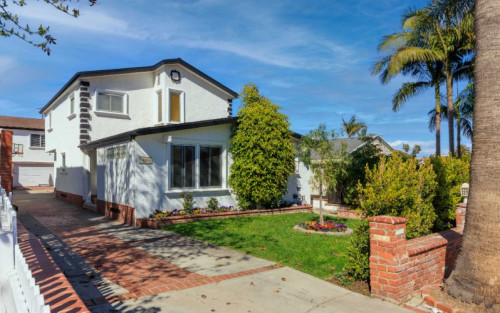
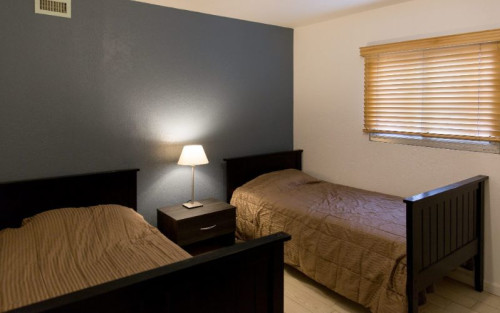
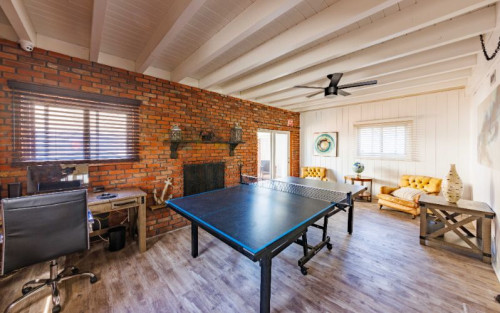
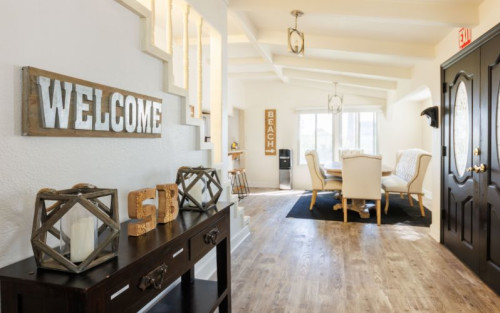
Silicon Beach - Men's Residence
Substance Use
Sober Living
4.5
(42)
Claimed
Substance Use
Sober Living
Private Pay
Silicon Beach - Men's Residence
4.5
•Substance Use•Sober LivingSilicon Beach - Men's Residence
4.5
(42)
About Silicon Beach - Men's Residence
A 12-bed, upscale sober living home for men in recovery, set in Los Angeles, California.
AT A GLANCE
Center Overview
Location
Los Angeles, California, United States View Map
Part of
network
Primary Focus
This center supports substance use disorders and co-occurring mental hea...
Typical Program Length
30+ days
Founded in 2015
11 years in business
Occupancy
6-15 beds
Conditions We Support
ADHD, Alcohol, Anger, Anxiety +16 More
Payment
Pricing and Program Length
We don't have pricing information for this center. Please contact the center for more information.
Care Options
Levels of Care
Everyone's recovery journey is unique. Whether it looks like residential rehab for 30 days, an outpatient program, or virtual therapy, you can find a level of care that fits your needs.

Detox
Not Offered at This Center
Typically the initial stage of treatment for substance use, focusing on medically supervised management of withdrawal symptoms.
Residential Rehab
Not Offered at This Center
Offering intensive care with 24/7 monitoring, residential substance use treatment is typically 30 days. Length can range from 14 to 90 days.

Sober Living
Transitional housing designed to support individuals recovering from substance use disorders offering a safe, supportive and structured environment for practicing long-term sobriety, while reintegrating back into daily living.
Outpatient
Not Offered at This Center
Outpatient treatment offers flexible therapeutic and medical care without the need to stay overnight in a hospital or inpatient facility. Outpatient care typically offers a range of therapies and medical interventions individuals can attend alongside daily life.
Virtual & In-Home Care
Not Offered at This Center
The delivery of therapeutic services utilizing technology such as video conferencing, online messaging or phone calls, allowing for flexibility, comfort and increased access to care.
Co-Occurring Mental Health
Treatment for co-occurring mental health disorders, which affect the majority of individuals diagnosed, integrates care for mental health conditions with primary substance use. Personalized care plans are crafted to effectively address each condition simultaneously, optimizing the healing process.
Treatment
Your Care Options
Specializations
Alcohol
Co-Occurring Disorders
Drug Addiction
Who We Support
Men
Men Only
Approaches
Evidence-Based
Holistic
Personalized Treatment
Trauma Informed
Languages
English
Conditions We Support
ADHD
Alcohol
Anger
Anxiety
Benzodiazepines
Bipolar
Co-Occurring Disorders
Cocaine
Depression
Experience
Care Designed for Your Needs
Special Considerations
Gender-specific groups
Frequently Asked Questions
Further Research
Where is Silicon Beach - Men's Residence located?
Los Angeles, California, United States.
How long is treatment?
The typical length is 30+ days.
What levels of care does Silicon Beach - Men's Residence offer?
Silicon Beach - Men's Residence provides sober living and more.
Explore More
Easily search by condition, location, and other programs tailored to meet your needs.