Higher Plane Sober Living Loyola
Treatment Focus
This center primarily treats substance use disorders, helping you stabilize, create relapse-prevention plans, and connect to compassionate support.
Primary Level of Care
Transitional housing designed to support individuals recovering from substance use disorders offering a safe, supportive and structured environment for practicing long-term sobriety, while reintegrating back into daily living.
This provider hasn't verified their profile's information. Are you the owner of this center? Claim your listing to better manage your presence on Recovery.com.
Treatment Focus
This center primarily treats substance use disorders, helping you stabilize, create relapse-prevention plans, and connect to compassionate support.
Primary Level of Care
Transitional housing designed to support individuals recovering from substance use disorders offering a safe, supportive and structured environment for practicing long-term sobriety, while reintegrating back into daily living.
Private Pay
You pay directly for treatment out of pocket. This approach can offer enhanced privacy and flexibility, without involving insurance. Exact costs vary based on program and length of stay. Contact the center for specific details.
Higher Plane Sober Living Loyola
About Higher Plane Sober Living Loyola
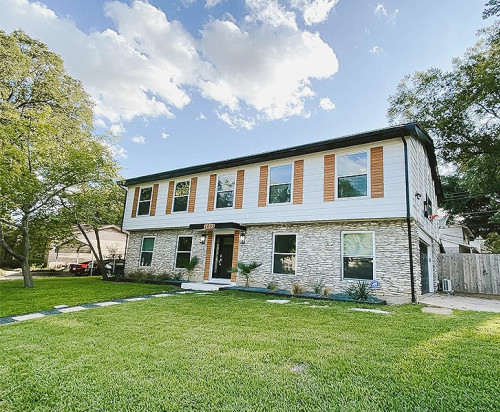
Higher Plane Loyola is a sober living home for men who are coming out of residential treatment and are in need of a structured living environment and community. Higher Plane is founded on principles of honesty, responsibility and structure. Residents are offered an expansive set of resources, which includes recovery coaching, education and employment assistance, life skills classes, and additional resources for third-party referrals as needed.
Values-Based Living
At Higher Plane, the home has a live-in manager who also operates as a mentor for the men who reside there. All men are given weekly, random drug screenings and each man must be drug and alcohol free for 30 days before entering Higher Plane. Morning and evening check-ins help maintain accountability. Residents must have a sponsor and participate in 4 12-Step meetings per week. To provide structure, Higher Plane requires all men to participate in daily household chores, budget their money, participate in health and fitness activities, prepare their own nutritious meals and work, attend school, or volunteer for 20 hours each week.
Center Overview
Support Focus
This center primarily supports substance use disorders, helping you stabilize, create relapse-prevention plans, and connect to compassionate support.
Pricing and Program Length
Estimated Center Costs
Center pricing can vary based on program and length of stay. Contact the center for more information. Recovery.com strives for price transparency so you can make an informed decision.
Levels of Care
Your Care Options
Specializations
Transitional Living
After rehab, some people stay in a transitional living situation before returning home. These programs offer structure, education, and community support.
Twelve Step Facilitation
12-Step groups offer a framework for addiction recovery. Members commit to a higher power, recognize their issues, and support each other in the healing process.
Who We Support
Approaches
Twelve Step
Incorporating spirituality, community, and responsibility, 12-Step philosophies prioritize the guidance of a Higher Power and a continuation of 12-Step practices.
Therapies
Twelve Step Facilitation
12-Step groups offer a framework for addiction recovery. Members commit to a higher power, recognize their issues, and support each other in the healing process.
Languages
Substances We Support
Alcohol
Using alcohol as a coping mechanism, or drinking excessively throughout the week, signals an alcohol use disorder.
Benzodiazepines
Benzodiazepines are prescribed to treat anxiety and sleep issues. They are highly habit forming, and their abuse can cause mood changes and poor judgement.
Cocaine
Cocaine is a stimulant with euphoric effects. Agitation, muscle ticks, psychosis, and heart issues are common symptoms of cocaine abuse.
Drug Addiction
Drug addiction is the excessive and repetitive use of substances, despite harmful consequences to a person's life, health, and relationships.
Heroin
Heroin is a highly addictive and illegal opioid. It can cause insomnia, collapsed veins, heart issues, and additional mental health issues.
Methamphetamine
Methamphetamine, or meth, increases energy, agitation, and paranoia. Long-term use can result in severe physical and mental health issues.
Opioids
Opioids produce pain-relief and euphoria, which can lead to addiction. This class of drugs includes prescribed medication and the illegal drug heroin.
Prescription Drugs
It's possible to abuse any drug, even prescribed ones. If you crave a medication, or regularly take it more than directed, you may have an addiction.