Find Treatment By
Rehabs by Location


Find Treatment By
Learn
About Us
Recovery.com combines independent research with expert guidance on addiction and mental health treatment. Our mission is to help everyone find the best path to recovery through the most comprehensive, helpful network of treatment providers worldwide.
Advisory Council
Our advisory council brings together leaders in behavioral health, technology, and business. Their diverse expertise ensures our resources and product are innovative, evidence-based, and effective. They guide our mission as accomplished individuals dedicated to improving the landscape of addiction recovery and mental wellness.



Nekawa Psychedelic Rehab
Treatment Focus
This center treats substance use disorders and co-occurring mental health conditions. Your treatment plan addresses each condition at once with personalized, compassionate care for comprehensive healing.
Primary Level of Care
Offers a structured, immersive environment for intensive healing and personal growth, combining therapy, wellness activities, and peer support in a peaceful, distraction-free setting
Claimed
Recovery.com has connected directly with this treatment provider to validate the information in their profile.
Treatment Focus
This center treats substance use disorders and co-occurring mental health conditions. Your treatment plan addresses each condition at once with personalized, compassionate care for comprehensive healing.
Primary Level of Care
Offers a structured, immersive environment for intensive healing and personal growth, combining therapy, wellness activities, and peer support in a peaceful, distraction-free setting
Private Pay
You pay directly for treatment out of pocket. This approach can offer enhanced privacy and flexibility, without involving insurance. Exact costs vary based on program and length of stay. Contact the center for specific details.
About Nekawa Psychedelic Rehab
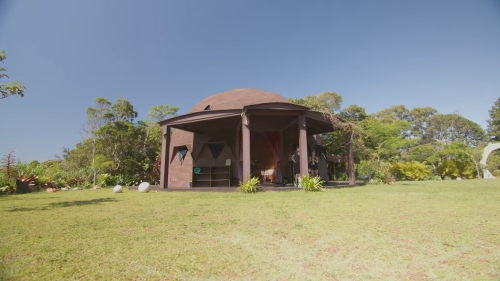
Set near the beach in southern Brazil, Nekawa serves clients seeking recovery from drug, alcohol, or behavioral addictions with their 90-day medically monitored ibogaine treatment program that operates under Brazil's ibogaine regulations. The program takes a non-12-step structured approach to helping clients heal on a tropical island farm.
Recovery from a Variety of Addictions
Nekawa considers their program most useful for treating addictions to alcohol, opioids (including fentanyl, heroin, oxycodone, Suboxone, and methadone), cocaine, methamphetamines, nicotine, ketamine, marijuana, prescription drugs, and behaviors like porn, gambling, and social media addiction. One of the founders is in recovery after using ibogaine therapy, so they are passionate about helping people find a similar recovery.
Structured Detox Before and During Arrival
Clients begin preparing for their visit to Nekawa with an EKG, genetic testing, nutrition planning, and virtual psychotherapy sessions. When they arrive, they start detox with medication replacement, hot and cold baths, and fasting. When detox is complete, clients move to a hospital setting. Nekawa administers ibogaine injections with 247 ICU-level care with the goal of providing a neurological reset. They administer vitamins through an IV tube and use hydrocolonic therapy to clean the body.
Meditative Movement by the Ocean
Mornings during the treatment phase include somatic experiences like breathwork with Amazonian and Ayurvedic practices to develop life skills and find clarity. Afternoons include time for movement and nature explorations like surfing, martial arts, beach hikes, ocean swims, cold plunges, saunas, gardening, and paragliding. Evenings include community integration and reflection time.
Built-In Aftercare
45 days of the 90-day program include the start of Nekawa's aftercare program. A client's return includes daily mentor support calls, in-home self-study, monthly family support calls, weekly calls with other Nekawa alumni, and mentoring to support others recovering from addiction.

Center Overview
Support Focus
This center supports substance use disorders and co-occurring mental health conditions. Your support plan addresses each condition at once with personalized, compassionate care for comprehensive healing.

Pricing and Program Length
Estimated Center Costs
The cost listed here ($1,000 USD/day), is an estimate of program cost. Center price can vary based on program and length of stay. Contact the center for more information. Recovery.com strives for price transparency so you can make an informed decision.
Levels of Care


Your Care Options
Specializations
Burnout
Burnout entails mental and physical exhaustion, and leads to a severe lack of fulfillment. This condition is often caused by overwork.
Young Adults
Emerging adults ages 18-25 receive treatment catered to the unique challenges of early adulthood, like college, risky behaviors, and vocational struggles.
Ibogaine Treatment
Ibogaine, a psychedelic substance, can naturally reduce withdrawal discomforts and cravings, especially in those seeking treatment for opioid use.
Prescription Drugs
It's possible to abuse any drug, even prescribed ones. If you crave a medication, or regularly take it more than directed, you may have an addiction.
Trauma
Some traumatic events are so disturbing that they cause long-term mental health problems. Those ongoing issues can also be referred to as "trauma."
Who We Support
Young Adults
Emerging adults ages 18-25 receive treatment catered to the unique challenges of early adulthood, like college, risky behaviors, and vocational struggles.
Men and Women
Men and women attend treatment for addiction in a co-ed setting, going to therapy groups together to share experiences, struggles, and successes.
Midlife Adults
For adults ages 40+, treatment shifts to focus on the unique challenges, blocks, and risk factors of their age group, and unites peers in a similar community.
Approaches
Experiential
Expressive tools and therapies help patients process past situations, learn more about themselves, and find healing through action.
Holistic
A non-medicinal, wellness-focused approach that aims to align the mind, body, and spirit for deep and lasting healing.
Spiritual Emphasis
Spirituality connects patients to a higher power and helps strengthen their recovery, hope, and compliance with other treatment modalities.
Wellness
Wellness philosophies focus on the physical, mental, and spiritual wellness of each patient, helping them restore purpose with natural remedies.
Therapies
1-on-1 Counseling
Patient and therapist meet 1-on-1 to work through difficult emotions and behavioral challenges in a personal, private setting.
Adventure Therapy
This experiential approach uses the physical and emotional challenges of outdoor activities as tools for personal growth.
Ayurveda
One of the oldest medicine systems, Ayurveda is based on the idea that wellness lies in the mind-body-spirit balance and can be achieved through natural interventions.
Experiential Therapy
With this approach, patients heal by doing. Therapists help patients process difficult emotions to speak, using guided activities like art or dance.
Horticultural Therapy
Gardening can be both meditative and inspiring. This therapy encourages social, emotional, and physical recovery.
Ibogaine Treatment
Ibogaine, a psychedelic substance, can naturally reduce withdrawal discomforts and cravings, especially in those seeking treatment for opioid use.
Life Skills
Teaching life skills like cooking, cleaning, clear communication, and even basic math provides a strong foundation for continued recovery.
Meditation & Mindfulness
A practiced state of mind that brings patients to the present. It allows them to become fully aware of themselves, their feelings, and the present moment.
Languages
Conditions We Support
ADHD, ADD
ADHD is a common mental health condition caused by dopamine imbalance. Common symptoms include inattention, hyperactivitiy, and impulsivity.
Burnout
Burnout entails mental and physical exhaustion, and leads to a severe lack of fulfillment. This condition is often caused by overwork.
Chronic Pain Management
Long-term physical pain can have an affect on mental health. Without support, it can also impact your daily life and even lead to addiction.
Eating Disorders
An eating disorder is a long-term pattern of unhealthy behavior relating to food. Most people with eating disorders have a distorted self-image.
Gambling
Excessive, repetitive gambling causes financial and interpersonal problems. This addiction can interfere with work, friendships, and familial relationships.
Gaming
Compulsive gaming is most often a problem for children and teens. The disorder can affect physical health, sleep, and the ability to focus at school.
Internet Addiction
Internet addiction is common among children teens. This compulsive disorder can damage relationships, school performance, sleep habits, and physical health.
Obsessive Compulsive Disorder (OCD)
OCD is characterized by intrusive and distressing thoughts that drive repetitive behaviors. This pattern disrupts daily life and relationships.
Pornography Addiction
A person with a porn addiction is emotionally dependent on pornography to the point that it interferes with their daily life and relationships.
Substances We Support
Alcohol
Using alcohol as a coping mechanism, or drinking excessively throughout the week, signals an alcohol use disorder.
Benzodiazepines
Benzodiazepines are prescribed to treat anxiety and sleep issues. They are highly habit forming, and their abuse can cause mood changes and poor judgement.
Chronic Relapse
Consistent relapse occurs repeatedly, after partial recovery from addiction. This condition requires long-term treatment.
Co-Occurring Disorders
A person with multiple mental health diagnoses, such as addiction and depression, has co-occurring disorders also called dual diagnosis.
Cocaine
Cocaine is a stimulant with euphoric effects. Agitation, muscle ticks, psychosis, and heart issues are common symptoms of cocaine abuse.
Drug Addiction
Drug addiction is the excessive and repetitive use of substances, despite harmful consequences to a person's life, health, and relationships.
Heroin
Heroin is a highly addictive and illegal opioid. It can cause insomnia, collapsed veins, heart issues, and additional mental health issues.
Aftercare
Care Designed for Your Needs
Personal Amenities
Amenities
Special Considerations
Center Pets
Addiction and mental health facilities with pets allow patients to interact with friendly dogs, cats, horses, and in some cases, even dolphins.
Family Member Stays
Treatment providers welcome family members to stay on-site to better the experience and success of patients and their families as a whole.
Activities
Yoga
Yoga is both a physical and spiritual practice. It includes a flow of movement, breathing techniques, and meditation.