Find Treatment By
Rehabs by Location


Learn
About Us
Recovery.com combines independent research with expert guidance on addiction and mental health treatment. Our mission is to help everyone find the best path to recovery through the most comprehensive, helpful network of treatment providers worldwide.
Advisory Council
Our advisory council brings together leaders in behavioral health, technology, and business. Their diverse expertise ensures our resources and product are innovative, evidence-based, and effective. They guide our mission as accomplished individuals dedicated to improving the landscape of addiction recovery and mental wellness.
Steroid Misuse and Addiction: What It Is, Signs, Health Risks, and How to Begin Recovery


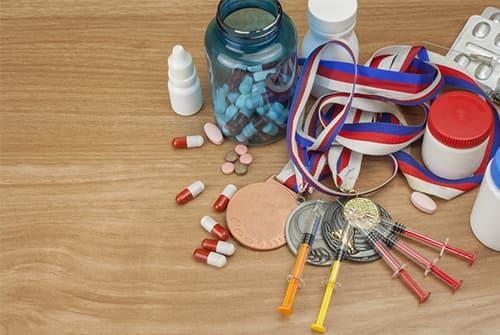
For some people, anabolic steroid use can develop into a compulsive pattern that becomes difficult to stop. What may begin as a way to build muscle or improve athletic performance can eventually affect a person’s physical and mental health, relationships, and other areas of daily life.
Though steroids don't produce the type of “high” associated with many other addictive drugs, repeated use can lead to cravings, physiological changes, and a withdrawal syndrome that may make stopping difficult.
Recognizing the signs of steroid addiction early can prevent serious health consequences and make recovery easier.
What Are Steroids?
While there are different kinds of steroids, this article focuses on anabolic-androgenic steroids (AAS).
AAS are synthetic hormones designed to mimic testosterone.1 “Anabolic” refers to their effects on building muscle and other tissue, while “androgenic” refers to effects associated with male sexual characteristics.
Anabolic-androgenic steroids can affect multiple body systems, including:2
- Cardiovascular
- Endocrine
- Reproductive
- Musculoskeletal
- Nervous
- Hepatic (liver)
Anabolic steroids have several legitimate medical uses, including treating certain hormonal conditions and some forms of muscle loss and anemia. Some may also be used to mitigate the muscle loss associated with HIV/AIDS and, in specific circumstances, to manage certain cancers.3,4
Athletes and other people looking to grow lean muscle mass, enhance their fitness capabilities, or alter their appearance may turn to steroids. Non-medical use like this can increase the risk of serious health effects and, for some people, lead to physical dependence and compulsive patterns of use.5
Street names for steroids include:6
- Arnolds
- Gear
- Gym candy
- Juice
- Pumpers
- Roids
- Stackers
- Weight gainers
Find The Perfect Treatment For You
Answer a few questions and we'll match you with the best options.
What Are You Struggling With?
What Kind of Care Do You Need?
What Insurance Do You Have?
How Anabolic Steroid Addiction Develops
Although AAS don’t typically produce the intoxication associated with many other substances, repeated use can lead to physical dependence and, in some people, the development of compulsive patterns of use.5
Though the mechanism underlying these patterns isn’t entirely understood, they may involve some of the same brain reward circuitry implicated in other substance addictions.5
Continued use may also be reinforced by desired effects such as increased muscle mass, improved athletic performance, or changes in physical appearance.
The connection between steroid use, physical performance, and endurance can be alluring.7 Some people may feel compelled to keep using AAS to maintain their gains, which may contribute to compulsive patterns of use and, in some cases, may be associated with underlying body image concerns.
Although the Diagnostic and Statistical Manual of Mental Disorders (DSM-5) doesn’t include a specific diagnosis of steroid addiction, problematic AAS use can be diagnosed under the category of Other (or Unknown) Substance Use Disorder.8
It bears mentioning that AAS misuse alone doesn’t establish the presence of a substance use disorder (SUD), or what may commonly be referred to as steroid addiction.9 In other words, someone may use AAS non-medically without meeting diagnostic criteria for an SUD.
Generally, an anabolic steroid-related SUD would involve patterns of use that lead to clinically significant impairment or distress, with such use continuing despite the problems it causes in a person’s life.8
Explore Drug Addiction Treatment Centers
Types of Steroids
As mentioned above, there are different kinds of steroids. Though we are primarily addressing AAS, it is important to be aware of both types.
Anabolic-Androgenic Steroids (AAS)
As mentioned, AAS are prescribed in the management of several medical conditions, including:
- Hormone replacement therapy for men with low testosterone
- Delayed puberty in adolescent boys
- Certain cancers
- HIV/AIDS related health issues
- Anemia and other blood disorders10
AAS are also used non-medically by athletes and other people looking to build physical strength, develop endurance, or alter their physical appearance.
Corticosteroids
Despite both falling under the broader category of steroids, corticosteroids and AAS are distinct classes with very different physiological effects and potential therapeutic uses.11
Corticosteroids reduce inflammation and suppress immune system activity. Depending on the medication type and condition being treated, they may be taken orally, inhaled, applied to the skin, or administered by injection. Corticosteroids are used to treat a wide range of inflammatory, autoimmune, and allergic conditions, including:11
- Asthma
- Chronic Obstructive Pulmonary Disease (COPD)
- Lupus
- Rheumatoid Arthritis (RA)
- Multiple Sclerosis (MS)
- Crohn’s disease
- Ulcerative colitis
- Psoriasis
- Eczema
- Severe allergic reactions
- Inflammation
Unlike AAS, corticosteroids aren’t typically misused to increase muscle mass, enhance athletic performance, or alter physical appearance. In certain circumstances, corticosteroids may be misused to reduce pain, inflammation, or to speed recovery.
Any inappropriate or prolonged corticosteroid use can increase the risk of adverse effects, including weakened bones, elevated blood sugar, and suppressed immune system functioning.
Some athletes inject corticosteroids to continue training despite pain, as it provides temporary pain relief. If repeated often, this type of use can risk damaging cartilage.12
Although corticosteroid misuse isn’t typically associated with the compulsive patterns of use that sometimes develop with anabolic steroids, it can still increase the risk of adverse effects such as infection, osteoporosis, high blood pressure, fluid retention, weight gain, facial swelling, and mental health changes, including anxiety and depression.














Patterns of Use
People who use AAS non-medically may follow different patterns of use to increase muscle mass, improve athletic performance, or alter their physical appearance. These practices can involve high doses, multiple substances, or repeated periods of use, all of which may increase exposure to additional health risks, including the potential for developing compulsive patterns of use.
Cycling
Rather than continuously using steroids, people may have bursts (or cycles) of use with breaks in between. Cycling results in maximum muscle growth, strength development, and endurance, while allowing the body to rest out of a desire to minimize negative or permanent side effects.
Stacking
Some people use two or more kinds of steroids at the same time to target different muscles and/or enhance the effects. It is important to note that people who stack their steroid use generally begin the use of multiple steroids at the same time.5
Pyramiding
Gradually increasing the steroid dose until a peak has been reached and then tapering off is another way that people attempt to reduce negative side effects of steroids as the body slowly adjusts to higher doses.
Plateauing
Fueled by a desire to avoid developing a tolerance, some people take multiple kinds of steroids at once. Rather than completing a full cycle of steroids and then taking a break, they begin a new cycle while still at the tail end of the previous cycle, to prolong use.
People who use in this way feel that they can maintain momentum and keep up with current strength and endurance levels as there is no break in steroid use.
Signs of Steroid Addiction
It can be difficult to see that your steroid use has become problematic, or has even progressed to the level of an addiction, as these changes can be subtle. If you’re using steroids to support performance or appearance goals, it can be hard to recognize if your use is actually hindering wellness, considering you may have originally turned to them to support it.
The following signs may suggest that AAS use has become compulsive or could warrant further evaluation.
Behavioral Changes
As anabolic steroid use becomes more problematic, obtaining and using them may begin to take priority over other parts of daily life. This could look like going to great lengths to hide your steroid use from friends, family, or coaches, spending excessive time and money acquiring steroids, or neglecting responsibilities.5,8
Pay attention to your priorities and notice if you start to spend more time obtaining steroids than attending to school or work responsibilities, spending time with family, hanging out with friends, or doing other things you once enjoyed.5,8
You may even find yourself skipping work, cutting school, or no longer making time for hobbies because you are prioritizing using steroids, obtaining steroids, planning workouts, or managing your diet.5,8
Some people who use AAS also use other substances, including alcohol, opioids, or stimulants. While co-occurring substance use doesn’t itself indicate steroid addiction, using other substances to manage the effects or consequences of AAS use may introduce additional health risks and could be part of a broader pattern of problematic substance use.5,8
Continued Use Despite Physical Effects
One of the most noticeable signs of steroid addiction is physical changes, including rapid muscle growth, weight gain, or severe acne. Sometimes, steroid use disrupts hormonal functioning, which can lead to unwanted breast tissue development in men or irregular menstrual cycles in women.13
With long-term or high-dose use, there may be a greater risk of more serious health complications, including sexual dysfunction, testicular shrinkage, reduced sperm count, high blood pressure, abnormal cholesterol levels, and increased risk of heart disease.2,14,15
These physical effects don’t indicate steroid addiction. However, continuing to use steroids despite knowing that they are causing or worsening physical problems could be a sign of a substance use disorder (SUD).5,8
Repeated use can also suppress the body’s natural production of testosterone, potentially resulting in physiological dependence on the anabolic steroid being used. When AAS use is stopped, recovery of normal hormonal function can take time, and some people may experience withdrawal symptoms including depressed mood, fatigue, sleep disturbances, decreased libido, and cravings.16
Psychological Effects
Steroid use can seriously strain mental and emotional well-being.17 Though not as widely talked about as the physical effects of using steroids, you may experience extreme mood swings, become irritable, or exhibit aggressive behavior, sometimes called “roid rage.”
Psychological symptoms may also emerge or worsen after AAS use is stopped. Steroid withdrawal can include anxiety and depression. In some cases, depression can be severe and may include suicidal thoughts or behaviors.18
For people experiencing significant withdrawal symptoms, an appropriate detox or treatment setting can provide professional monitoring and support, particularly during periods of severe depression or other concerning psychiatric symptoms.
You may have started misusing steroids because you were already thinking a lot about your muscle size, wanted to feel more satisfied physically, and desired to increase your self-esteem. You may not have even realized that this in itself is a psychological condition called muscle dysmorphia.
Though you may have thought that steroids would improve your self-esteem, you might have found that using them has only made matters worse, exacerbating anxiety, causing a decline in your mental health, and even possibly leading to suicidal thoughts or behaviors.
Psychological effects of steroid use or withdrawal do not necessarily indicate addiction. However, continued use despite worsening mental health, strong cravings, or other adverse effects may be signs of a problematic or compulsive pattern of use. In these instances, appropriate treatment can make all the difference in setting you up for successful, long-term recovery.
Tolerance and Escalating Use
Over time, you may find that the doses that once delivered the results you desired aren’t working anymore and that you need more to maintain muscle mass, strength, or physique - this is called tolerance.
You may experience anxiety about a real or perceived loss of muscle mass or a decline in performance while taking a break from steroids. The anxiety can feel so intolerable that you continue using, only to reinforce your dependence and slow down the process of regaining control over your health.
If you once took breaks between cycles, once you’ve built a tolerance, you may find yourself shortening breaks or skipping them entirely, fueled by a desire to maintain the gains you’ve worked hard to achieve. The reality is that this pattern of using steroids can put you at risk for lasting heart problems and cause severe liver damage.
If you’ve built a tolerance, continued steroid use can also make it harder to ultimately stop.
Challenging withdrawal symptoms, including depression, fatigue, insomnia, reduced appetite, and reduced sex drive, can further feed the cycle of addiction, as you attempt to avoid discomfort by continuing or resuming AAS use.
Tolerance and withdrawal are both recognized features of a substance use disorder, or addiction, but neither alone establishes that one is present. However, along with escalating patterns of use, they may be important warning signs of problematic AAS use, particularly when accompanied by recognized difficulty controlling use or continued use despite clear negative consequences.
Who Is at Risk?
Steroid addiction crosses all social boundaries. Regardless of your age, background, or fitness level, using anabolic steroids without medical supervision can increase the risk of physical and mental health problems, including the potential for developing a steroid-related substance use disorder.
Young men ages 19-25, especially weightlifters or those in fitness or bodybuilding circles, may be particularly vulnerable.19 There is also prevalent use of steroids amongst athletes.
Additionally, people with any of the following conditions may be more likely to turn to steroids, thus increasing their risk of developing an addiction:
- Low self-esteem
- Body-image concerns
- Depression
- Anxiety
- Eating disorders
Treatment Options
If you are concerned about a loved one’s use of steroids, first and foremost, you’ll need to approach them with care and empathy. Make sure that your tone is kind, compassionate, and non-judgmental when you speak to them. Focus on expressing your concern for their health and well-being. Assure them that there is hope and that professional support is available.
Appropriate professional care to support recovery from steroid addiction must be a comprehensive combination of medical supervision, therapy, and social support that is tailored to meet your unique needs.
Steroid addiction treatment is unique for each person, and there are a range of treatment options.
Recovery might start with medical detox to safely manage steroid withdrawal symptoms, including mood changes, psychological concerns, or insomnia.
Ongoing therapy is foundational for addressing body image concerns, stress, anxiety, and depression. It’s also a healthy way to develop new coping skills. You may explore cognitive behavioral therapy (CBT), dialectical behavior therapy (DBT), or another appropriate form of therapy.
You may benefit from working with your doctor or other primary healthcare professional
to explore antidepressant medication or re-establish natural hormonal functioning.
If you’re looking for structured care, residential or outpatient programs offer supervision, peer support, and daily schedules that support recovery.
No matter what stage you’re at in your recovery, support groups can make all the difference when it comes to long-term accountability, creating a sense of belonging, and developing strategies for maintaining healthy habits.
Though steroid addiction can be challenging, there is hope in recovery. Knowing the signs and receiving compassionate, professional guidance can make all the difference. Take the next step towards healthier habits, restored confidence, and meaningful relationships today. A life free from steroids begins with a single courageous step. Use Recovery.com to find steroid addiction treatment that fits your needs.
FAQs
Five common side effects of steroid use include acne, fluid retention, high blood pressure, hormonal changes (like breast growth in men or irregular cycles in women), and mood swings or aggression.
Steroid withdrawal syndrome refers to a set of physical and psychological symptoms that can occur when someone stops using anabolic-androgenic steroids (AAS) after prolonged or high-dose use. Symptoms may include fatigue, depression, irritability, insomnia, loss of appetite, decreased libido, muscle and joint pain, and cravings.
The duration of steroid withdrawal varies depending on the type, dose, and length of steroid use, as well as individual factors. Symptoms may last several weeks to months, with mood disturbances sometimes persisting longer.
Steroid addiction can affect mood and mental health, leading to depression, anxiety, irritability, aggression (“roid rage”), body image concerns, and muscle dysmorphia. Some users may also experience suicidal thoughts or behaviors.
Prevention strategies include education on the risks of steroids, promoting healthy body image and exercise habits, monitoring adolescent athletes, and providing mental health support for those at risk.
Signs include behavioral changes, neglecting responsibilities, escalating doses, physical changes such as rapid muscle growth or hormonal effects, psychological symptoms like mood swings or body dysmorphia, and difficulty stopping despite negative consequences.5,8
Yes, steroid addiction can be treated with a combination of medical detox, therapy (CBT, DBT), endocrine or antidepressant support, residential or outpatient programs, and long-term aftercare or support groups. Recovery is possible with professional guidance.
Offer support with empathy and understanding. Encourage them to seek professional help, avoid judgment, provide emotional support, and help connect them with medical care, therapy, or structured recovery programs.





Our Promise
How Is Recovery.com Different?
We believe everyone deserves access to accurate, unbiased information about mental health and recovery. That's why we have a comprehensive set of treatment providers and don't charge for inclusion. Any center that meets our criteria can list for free. We do not and have never accepted fees for referring someone to a particular center. Providers who advertise with us must be verified by our Research Team and we clearly mark their status as advertisers.
Our goal is to help you choose the best path for your recovery. That begins with information you can trust.