Find Treatment By
Rehabs by Location


Find Treatment By
Learn
About Us
Recovery.com combines independent research with expert guidance on addiction and mental health treatment. Our mission is to help everyone find the best path to recovery through the most comprehensive, helpful network of treatment providers worldwide.
Advisory Council
Our advisory council brings together leaders in behavioral health, technology, and business. Their diverse expertise ensures our resources and product are innovative, evidence-based, and effective. They guide our mission as accomplished individuals dedicated to improving the landscape of addiction recovery and mental wellness.
Shame: The Feeling That Holds Us Back in Recovery


McCarton Ackerman is a communications and content professional specializing in digital content and social media for health and wellness, and currently serves as Director of Communications for the Mubadala Citi DC Open.

McCarton Ackerman is a communications and content professional specializing in digital content and social media for health and wellness, and currently serves as Director of Communications for the Mubadala Citi DC Open.
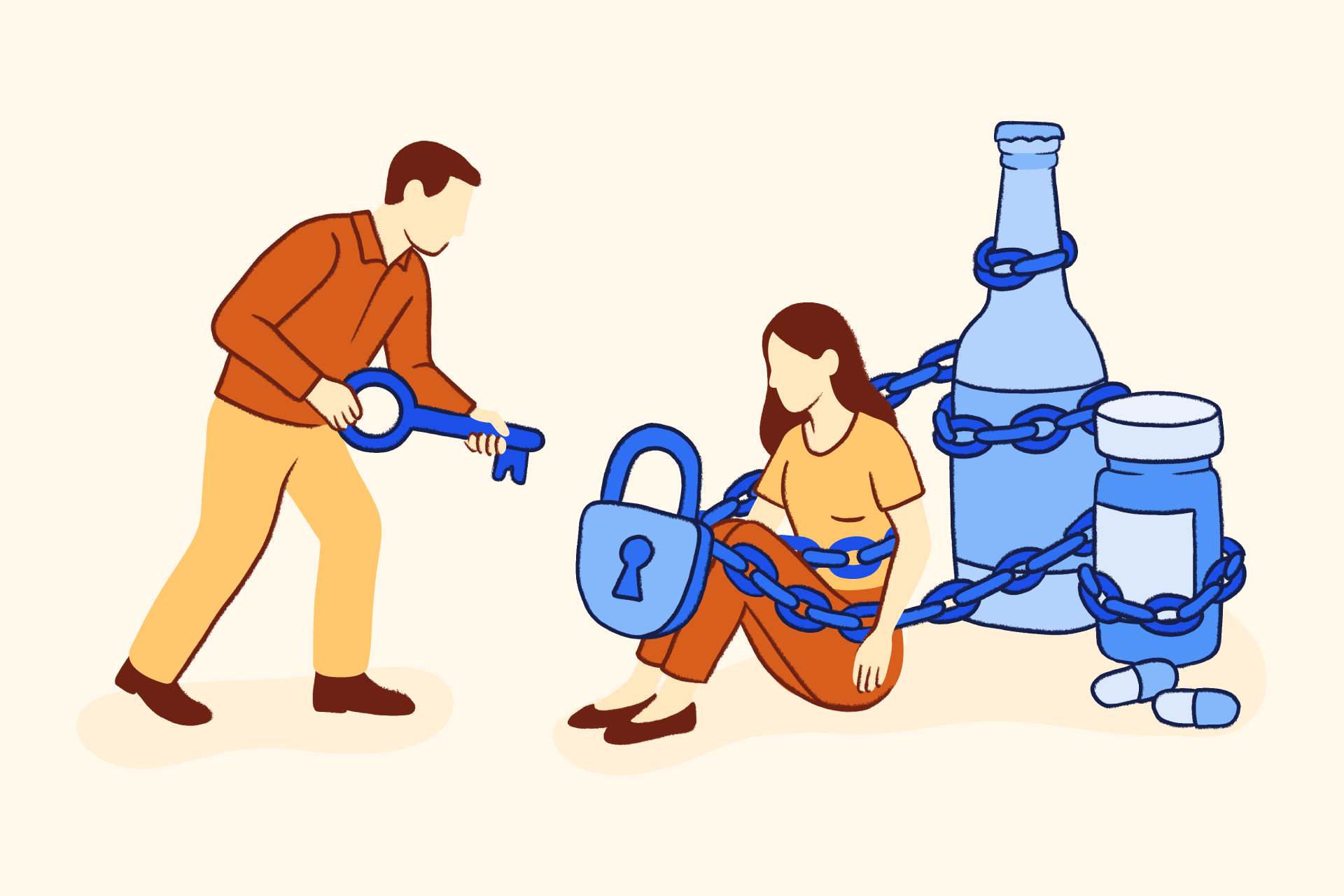
Addiction is often the result of using drugs or alcohol to suppress emotions. As a result, acknowledging and working through those repressed feelings is a huge part of recovery. But one of the emotions that often remains unaddressed in the recovery process is shame.
The Impact of Shame
The overwhelming belief that we are “wrong” or “bad” is not only detrimental to our overall well-being, it can also stop us from asking for the help we need to get sober.
A big reason for these present feelings of shame is that we’ve been stuck in our past or lamenting our future. Instead, the goal should be to acknowledge where you are in the present.
It’s normal to feel inadequate or fearful in the early steps of your recovery and you must give yourself permission to verbalize what you’re thinking and feeling.
Facing what’s holding you back in an open and honest manner will allow many of these feelings of shame to be released.
Explore Drug Addiction Treatment Centers
The Power of Forgiveness
Another powerful act that helps you move out of your past is forgiveness. You’ve undoubtedly made mistakes that have harmed both yourself and others. Rather than realizing these mistakes for what they are – simple human errors – they manifest into thoughts of being a bad person.
As difficult as it may seem in the moment, try to recognize that your previous errors are really just opportunities for growth. If the people in your life truly care about you, they will accept your apology and applaud your commitment to change.
Looking Out for Your Star Player
Before you can rebuild other relationships, it’s important to rebuild the one you have with yourself. Allow yourself to love and be loved. Instead of punishing yourself with shame, replace the negative thoughts with ones of compassion and empathy…and direct them inward.
Make no mistake; forgiveness for yourself doesn’t mean you’re ducking responsibilities or avoiding negative feelings on the days you feel less positive. It simply means you have a sense of awareness and you know these feelings will eventually pass.
Removing feelings of shame and creating a sense of self-acceptance can be unsettling at first, so it’s important to have a positive support network around you. Sharing your thoughts with others may help you realize that you’re not alone in having these feelings and also motivate you on your path of sobriety.
Don’t let shame prevent you from moving forward. Recognize that you can overcome a difficult past and take the steps to help create the pattern of thinking that will aid in this.
There Is Hope for Recovery
Addiction is treatable, and a life of freedom is possible. Connect with drug and alcohol treatment centers that specialize in your specific needs, from holistic care to medication-assisted treatment. Don’t wait another day to get help; find a recovery program that works for you.
FAQs












Our Promise
How Is Recovery.com Different?
We believe everyone deserves access to accurate, unbiased information about mental health and recovery. That's why we have a comprehensive set of treatment providers and don't charge for inclusion. Any center that meets our criteria can list for free. We do not and have never accepted fees for referring someone to a particular center. Providers who advertise with us must be verified by our Research Team and we clearly mark their status as advertisers.
Our goal is to help you choose the best path for your recovery. That begins with information you can trust.