Find Treatment By
Rehabs by Location


Learn
About Us
Recovery.com combines independent research with expert guidance on addiction and mental health treatment. Our mission is to help everyone find the best path to recovery through the most comprehensive, helpful network of treatment providers worldwide.
Advisory Council
Our advisory council brings together leaders in behavioral health, technology, and business. Their diverse expertise ensures our resources and product are innovative, evidence-based, and effective. They guide our mission as accomplished individuals dedicated to improving the landscape of addiction recovery and mental wellness.
Re-Write Your Story: Turning Trauma Into Growth



A Blank Page and a Pen in Your Hand
Your life started as a blank page. Over time, it filled up with experiences, relationships, and behaviors. For many people, trauma finds its way onto that page too, quietly taking the pen without asking.
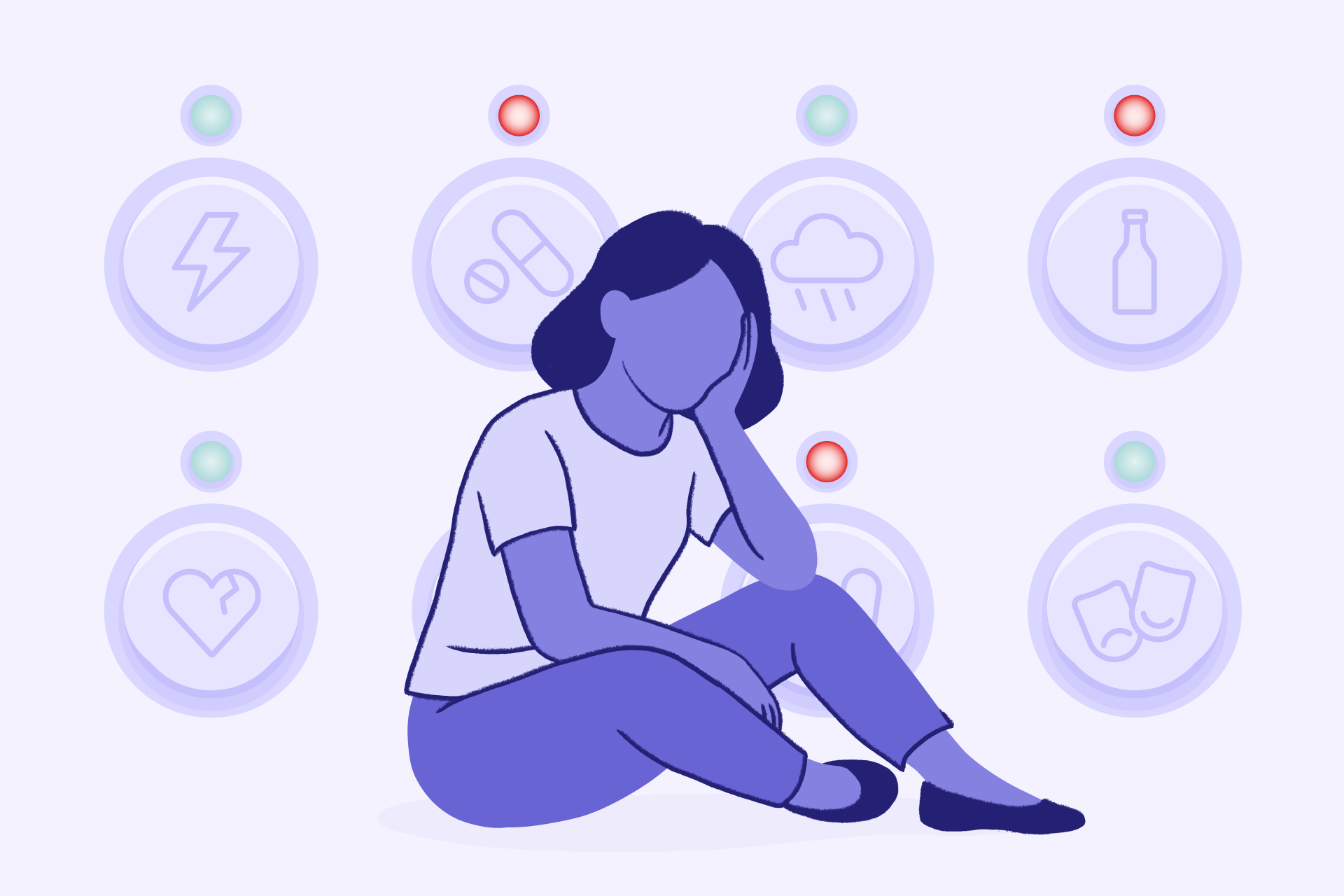
As time went on, your story may have been quietly rewritten by trauma hidden inside anxiety, depression, a health condition, an eating disorder, a relationship that hurts, alcohol use, substance use, or addiction.
The details are different for everyone. Once you can see your story clearly, you can pick the pen back up, edit it, revise it, and write new chapters.
Reflect: Has something in your life ever felt like a turning point, a moment after which everything quietly started to change?
Find The Perfect Treatment For You
Answer a few questions and we'll match you with the best options.
What Are You Struggling With?
What Kind of Care Do You Need?
What Insurance Do You Have?
Drafting in the Dark
Trauma doesn't always announce itself. Sometimes you keep going, writing the story of your life with a pen you hadn’t even realized you picked up.
Maybe you’ve buried difficult memories in a life that may look fine on the outside: a new job, a new relationship, and a new home.
Or, maybe you turned to risky behaviors in order to escape from terribly uncomfortable memories.
Either way, the full weight of what happened may only surface long after the trauma.1
The thing is that your body often keeps its own record. Often, trauma ends up quietly running in the background, showing up as trouble sleeping, a tight chest, a stomach ache with no clear cause, or a tight grip on control, sometimes around food.2,3 Nothing is wrong with you. These are signs worth noticing.
You may not see this clearly on your own. A friend, a therapist, or a social worker is sometimes the first person to notice a pattern you can't yet see in yourself.4
Once you’ve identified the patterns, you can start to read the story you didn’t even realize you’d been writing.
Reflect: Regardless of what your life looks like on the outside, is there anything under the surface that is asking to be noticed?
Explore Trauma Treatment Centers
Editing Your Story
Once you get curious about what's been shaping your story, editing becomes possible. Editing doesn't erase what happened. It changes how you see it, and what happens next.
For many people, the body starts editing before the mind catches up.5 This can look like finally admitting you're exhausted or getting a diagnosis that puts a name to what your body's been saying for a while.
At this point, starting to compassionately accept the trauma you experienced may allow you to pick up a different pen and start editing your story.
Trauma can leave you stuck on high alert, shut down completely, or caught in another unhealthy pattern long after any danger has passed.6 This is where the nervous system comes into play. Addressing trauma and its connection to your nervous system is often best done with a trauma-informed professional.
This work of accepting trauma and starting to address it by working with the nervous system is like picking up a new pen that you can now use to revise and rewrite your story.
Reflect: In what ways might you be able to look at your story with curiosity instead of judgment?














Revising
Editing changes how you see what happened. Revising changes what you believe about yourself and your behavior moving forward.
For example, if drugs and alcohol have been a part of your story, now is the time when you might consider sobriety. If someone once stigmatized you as being a, “junkie,” you get to change that title.
Trauma often shapes beliefs about what you deserve, what's safe, and what love should feel like. Those beliefs can quietly keep you in relationships or situations that hurt, even after you know better.8 Revising your story involves shifting the belief underneath the behavior, and there's real relief in getting to choose more accurate beliefs for yourself.7
If you've lived through abuse or domestic violence, leaving is not enough and healing takes more than time. It takes understanding the belief that kept you there so that you can rewrite it. There are resources built specifically for that kind of grief.8
As you revise your story, you may notice your relationship with yourself, your body, other people, and your environment change to reflect your new beliefs.
Reflect: What belief might be running underneath a pattern you keep repeating, and what’s a more accurate belief you could write in its place?
Rewriting Your Story: What Growth Can Look Like
Eventually, you may find a name for what you've carried: post-traumatic stress disorder (PTSD) or complex PTSD (C-PTSD).
PTSD and C-PTSD can both develop after experiencing or witnessing something physically or emotionally harmful.6,9
The difference is that PTSD is associated with one event and C-PTSD is associated with an ongoing experience or relationship.9
It’s common for PTSD and C-PTSD to appear alongside anxiety, depression, and substance use—as parts of the same underlying story.6,9 Using drugs or alcohol to cope often means you were self-medicating a wound with the tools you knew how to use.12 Addiction recovery and addressing mental health provides a powerful way to rewrite your story.
Recovery rarely follows a straight line, and everyone's recovery story looks different.
Your recovery journey may include detox, a partial hospitalization program (PHP), Alcoholics Anonymous, a support group, or a sober living home. A sponsor, trusted social worker, and mentors also provide support.
Connecting with a higher power may support your process, though that is a personal choice.
About 70% of people experience a traumatic event in their life, yet only some develop PTSD or C-PTSD.10 There's no single right way to respond.
Another response to trauma worth knowing about is post-traumatic growth. You may move toward post-traumatic growth without ever developing PTSD or C-PTSD at all. You may develop PTSD or C-PTSD first, and later find your way to growth. Or, PTSD or C-PTSD may remain part of your story without ever resolving into growth, and that is okay too. Growth is a real possibility, but never a requirement.11
Growth after trauma rarely looks like one dramatic before-and-after. It can look like sleeping better, relationships built on purpose, appropriate emotional processing, practicing self-compassion, and choosing to stay sober day after day.
After revising your beliefs, rewriting your story involves seeing how they impact your behavior, which takes time, patience, perseverance, and discipline.
Resistance is normal: old beliefs, even painful ones, can carry a strangely comforting sense of familiarity. Celebrate successes and learn from growth. Now that you’ve chosen what pen to pick up, you get to write and edit your story moving forward with greater ease, satisfaction, and joy.
Reflect: What could you do in the next 24 hours to feel 1% more ease, satisfaction, or joy?
Your Blank Page
Your story is your own. It might include trauma, substance use disorder or addiction, alcohol use—maybe a DUI, a health condition, or something else entirely.
Is there a chapter you're still writing on autopilot?
You may not have a clear answer today, and that’s okay. You just have to be willing to pick up a new pen and see the blank pages that have yet to be written.
Maybe you’ll start writing the chapter where you got sober, left someone who was hurting you, or finally said a diagnosis out loud.
Discover a Path to Healing
Write the rest of your story with intention. If you want support with the process of rewriting your story, support is within reach, and accepting it is a sign of strength.
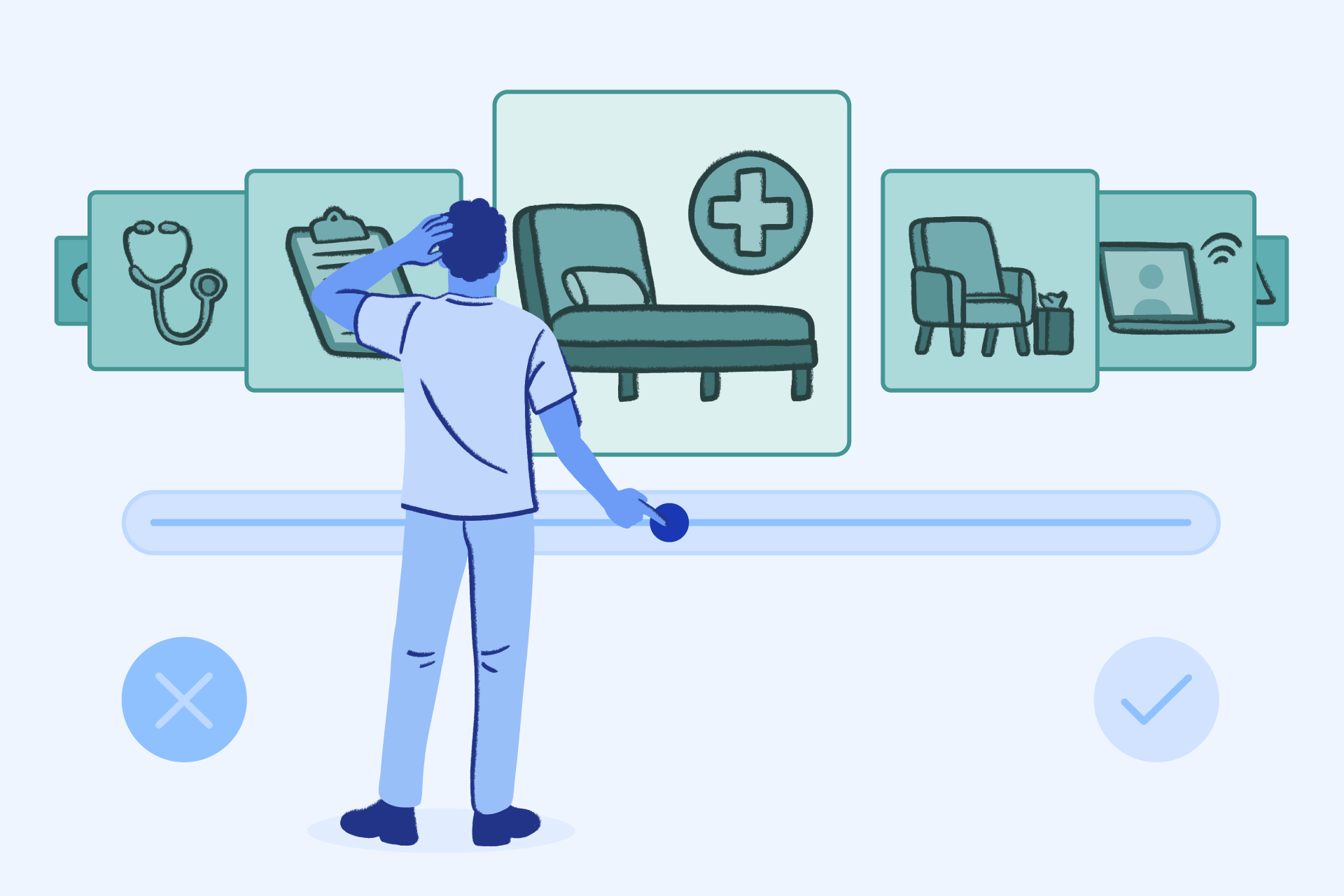
Treatment can look different for everyone. Depending on your needs, options may include trauma treatment centers, individual therapy programs, or wellness-focused mental health treatment. Recovery.com can help you explore mental health treatment options and find a program that fits your needs.
FAQs
Yes, for many people. Researchers describe this as post-traumatic growth, a documented pattern in which people who live through serious adversity go on to experience positive psychological change, including shifts in how they see themselves, their relationships, and what matters to them.11
No. Trauma can come from one event, several events, or an ongoing situation. What makes it trauma is its lasting effect on you, not how dramatic it looked from the outside.10
Post-traumatic stress disorder (PTSD) usually follows one event, while complex post-traumatic stress disorder (C-PTSD) tends to follow repeated or relational trauma. C-PTSD can add extra difficulty with self-worth, trust, and emotional regulation.9
Yes. Addiction and many trauma-related coping patterns are widely understood as chronic conditions. Relapse, or return to old behavior after progress, is a part of the process for many people in recovery.12
Trauma can leave the nervous system in a heightened or shut-down state long after the danger has passed, which is part of why PTSD symptoms often include physical signs like being easily startled, feeling constantly on edge, or trouble relaxing, not just psychological ones.6





Our Promise
How Is Recovery.com Different?
We believe everyone deserves access to accurate, unbiased information about mental health and recovery. That's why we have a comprehensive set of treatment providers and don't charge for inclusion. Any center that meets our criteria can list for free. We do not and have never accepted fees for referring someone to a particular center. Providers who advertise with us must be verified by our Research Team and we clearly mark their status as advertisers.
Our goal is to help you choose the best path for your recovery. That begins with information you can trust.