Find Treatment By
Rehabs by Location


Find Treatment By
Learn
About Us
Recovery.com combines independent research with expert guidance on addiction and mental health treatment. Our mission is to help everyone find the best path to recovery through the most comprehensive, helpful network of treatment providers worldwide.
Advisory Council
Our advisory council brings together leaders in behavioral health, technology, and business. Their diverse expertise ensures our resources and product are innovative, evidence-based, and effective. They guide our mission as accomplished individuals dedicated to improving the landscape of addiction recovery and mental wellness.
Never Do These 3 Things in Early Recovery


Kerry Kenn is an award-winning freelance writer specializing in addiction, mental health, and wellness content. She brings empathy, clarity, and research-driven insight to stories that support recovery, resilience, and personal growth across consumer, clinical, and business audiences.

Kerry Kenn is an award-winning freelance writer specializing in addiction, mental health, and wellness content. She brings empathy, clarity, and research-driven insight to stories that support recovery, resilience, and personal growth across consumer, clinical, and business audiences.
The drugs are gone. The alcohol is out of your life. You’re sober. Now what?
You’re ready to build a new life. One that doesn’t revolve around substances. But what should that life look like?
The details are different for everyone in recovery. Still, there are a few common pitfalls that are worth avoiding, especially early on.
Early Recovery No-No’s
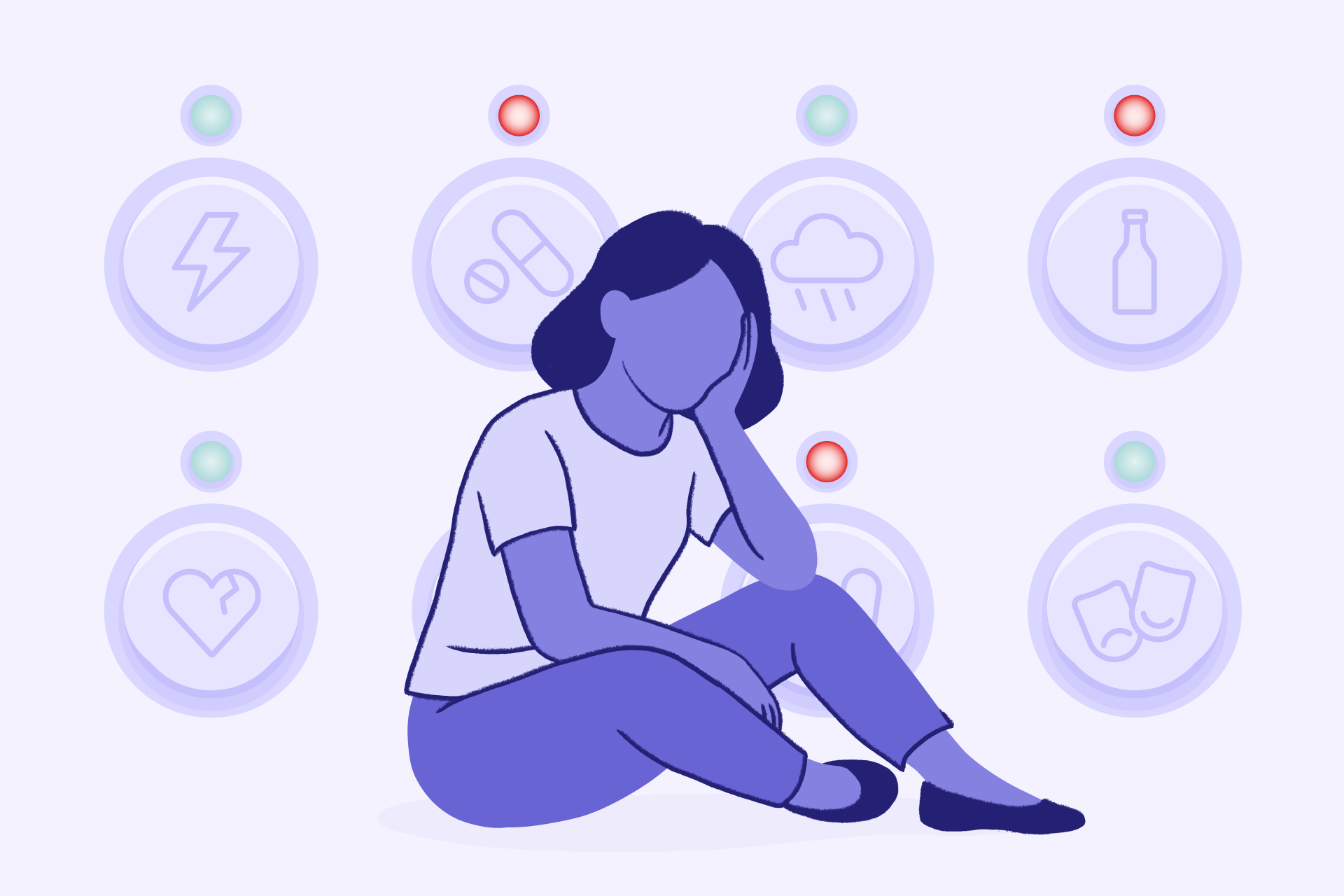
The following mistakes are common in early recovery. While understandable, they can make this phase more challenging and increase the risk of relapse.
Without further ado, here are three things you’ll want to steer clear of as you begin your newly sober life.
Romancing
You’ve probably heard the “rule” about relationships in recovery: don’t start a romantic relationship during your first year of sobriety.
This guideline isn’t meant to make you lonely, take away your fun, or keep you from meeting your soulmate. It exists for your protection.
Early recovery is emotionally intense. You may be navigating mood swings, frustration, stress, and self-discovery all at once. Adding a new romantic relationship can amplify these emotions and pull focus away from the most important priority right now: you.
This is the time to get comfortable living sober, establish new habits, and build a stable foundation. Once you have solid ground beneath your feet, you’ll be better equipped to form a healthier, more balanced relationship in the long run.
Explore Drug Addiction Treatment Centers
Overcommitting
You’re setting goals and working hard to make positive changes. That’s a great thing…just don’t take it too far.
You’ve just gotten your life back. Try not to pack it so full that it becomes overwhelming. Going back to school, taking on a big promotion, moving, or starting a family can all be positive steps, but they may be too much during the first few months of recovery.
Think of it like learning to ride a bike. You’ve just taken off the training wheels. Should you attempt an extreme obstacle course right away, or ride around the block a few times first?
Give yourself time to adjust and learn who you are without substances. This space allows you to decide what truly matters and which commitments are worth making now and later.
Bailing
Have you ever taken antibiotics? You’re told to take them for ten days. After a few days, you feel better and stop early, only for the infection to return.
Recovery can work the same way. When you start feeling good, you may feel tempted to step back from the supports that helped you get there. You might stop seeing your counselor, stop attending meetings, or assume you can handle situations that once felt risky.
Don’t abandon what’s working. Keep your supports in place, even when things feel easier. The process is helping, so stick with it. Finish the dose.
Find Support to Keep Moving Forward
Early recovery comes with challenges, and having the right support can make all the difference. Recovery.com helps you find and compare treatment options tailored to your needs.
Whether you’re looking for ongoing care, therapy, or specialized programs, you can use Recovery.com to find treatment centers and continue building a strong, sustainable recovery.











Our Promise
How Is Recovery.com Different?
We believe everyone deserves access to accurate, unbiased information about mental health and recovery. That's why we have a comprehensive set of treatment providers and don't charge for inclusion. Any center that meets our criteria can list for free. We do not and have never accepted fees for referring someone to a particular center. Providers who advertise with us must be verified by our Research Team and we clearly mark their status as advertisers.
Our goal is to help you choose the best path for your recovery. That begins with information you can trust.