Find Treatment By
Rehabs by Location


Learn
About Us
Recovery.com combines independent research with expert guidance on addiction and mental health treatment. Our mission is to help everyone find the best path to recovery through the most comprehensive, helpful network of treatment providers worldwide.
Advisory Council
Our advisory council brings together leaders in behavioral health, technology, and business. Their diverse expertise ensures our resources and product are innovative, evidence-based, and effective. They guide our mission as accomplished individuals dedicated to improving the landscape of addiction recovery and mental wellness.
Marijuana Detox: 6 Ways to Naturally Detox & What to Expect



Deciding to quit marijuana can be a significant and life-changing decision. If you are wondering how to detox from weed naturally, understanding the process is an important first step. Whether you’re doing it for your mental clarity, physical health, or personal growth, the detox process can be challenging—but you’re not alone.
Marijuana withdrawal symptoms like irritability, insomnia, and cravings can make quitting difficult, but understanding how THC affects your body and learning about natural detox strategies can help you take control of your recovery.
What is Marijuana Detox?
Natural marijuana detox refers to allowing your body to process THC over time while using supportive habits to manage cannabis withdrawal.
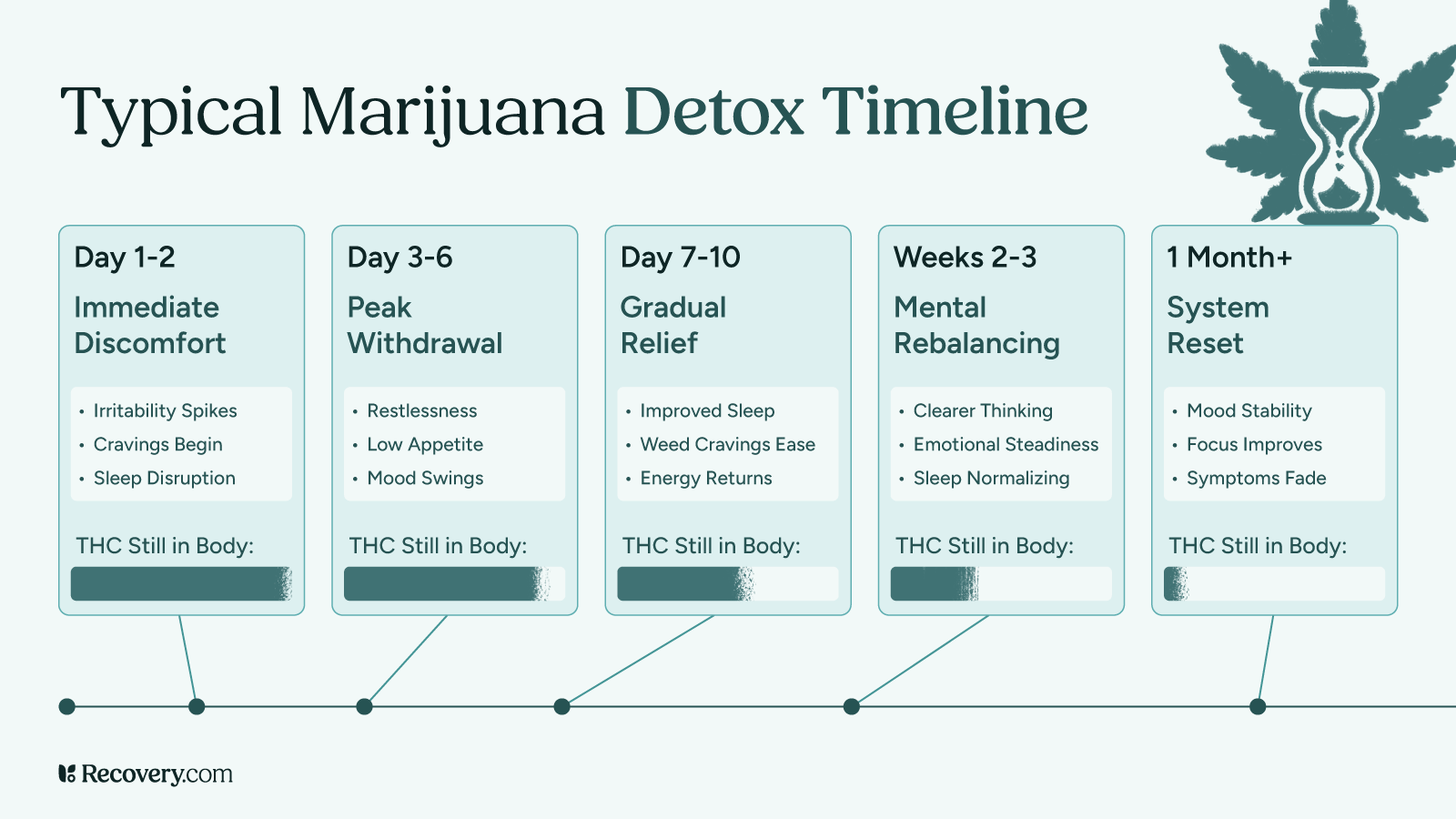
Detoxing from marijuana isn’t always as simple as stopping. Withdrawal symptoms can begin within 24-48 hours after the last use and may last up to two weeks. Imagine finally deciding to quit, only to find yourself wide awake at 3 AM, sweating and restless.1 Or feeling on edge all day, snapping at loved ones for no reason. Detoxing is a process, and it requires patience, self-compassion, support, and a solid plan. You can have compassion for yourself and your experience and know that this is a common experience for many people.2
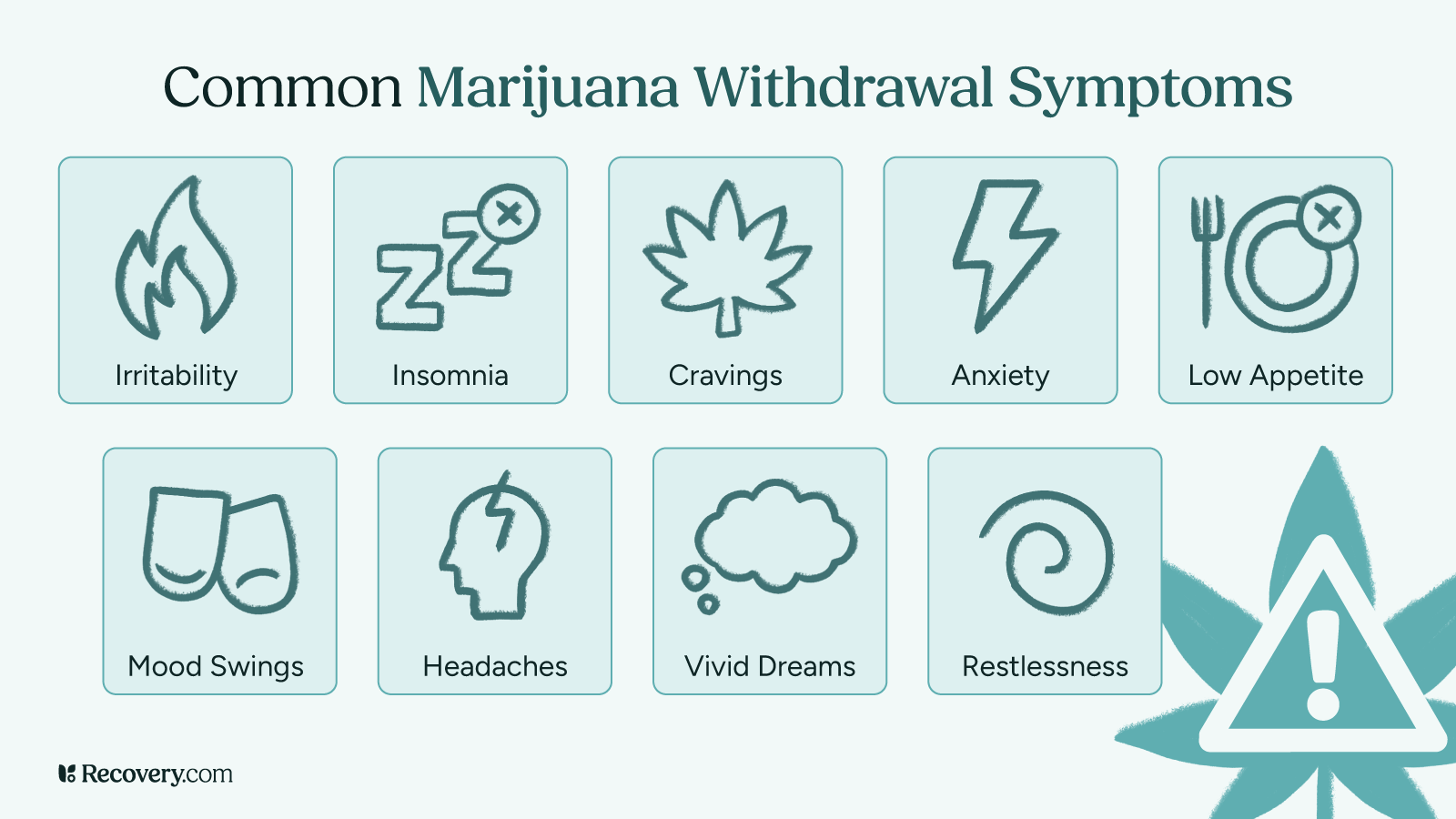
Common Withdrawal Symptoms:
- Irritability and mood swings
- Anxiety and depression
- Insomnia and vivid dreams3
- Decreased appetite
- Headaches and nausea
Marijuana withdrawal symptoms can range from uncomfortable to clinically significant. These symptoms are also known as cannabis withdrawal syndrome. Despite the challenge of withdrawal, THC can successfully clear from the body, and you can feel good again without feeling like you have to use cannabis to feel “normal” or okay.
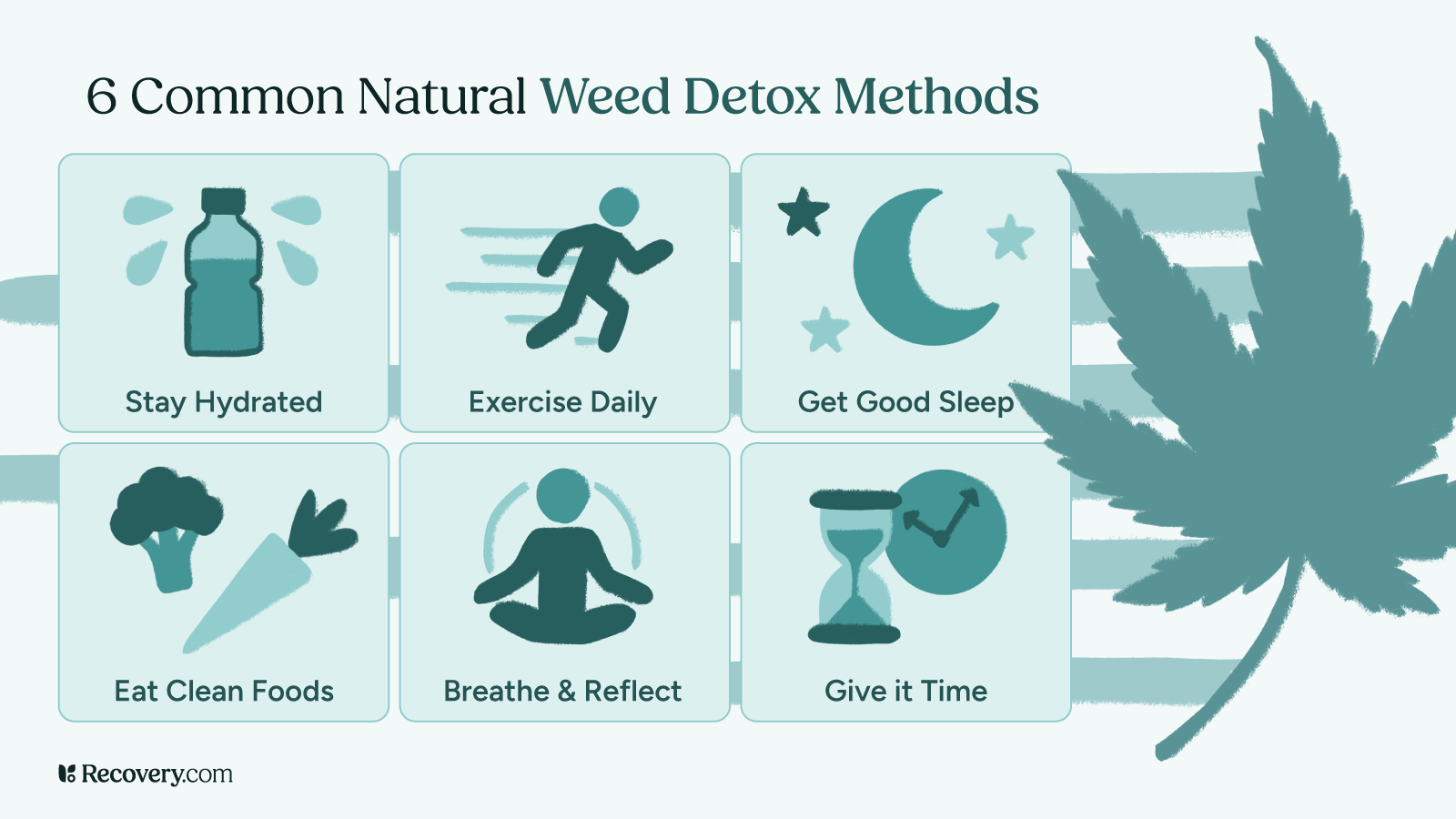
The following 6 strategies can help with natural marijuana detox and help you understand what to expect. They focus on managing withdrawal symptoms rather than promising a faster THC detox.
Find The Perfect Treatment For You
Answer a few questions and we'll match you with the best options.
What Are You Struggling With?
What Kind of Care Do You Need?
What Insurance Do You Have?
1. Hydration
THC is fat-soluble, meaning it is stored in body fat and released slowly over time. The length of detox varies based on usage frequency, body composition, and metabolism. This is why there is no single marijuana detox timeline that applies to everyone. Again, there are differences depending on the person, the frequency of use, and the amount used.4
- Occasional users (1-2 times per month): THC is typically cleared within 3-7 days.
- Moderate users (several times a week): THC may be detectable for 1-2 weeks.
- Heavy users (daily or near daily): THC can remain in the body for several weeks to over a month.
Urine tests are the most common drug tests, but hair follicle tests can detect THC for up to 90 days. Drinking plenty of water is essential for flushing out THC metabolites.5 While most THC is excreted through feces, approximately 20% is eliminated via urine. Staying hydrated aids kidney function, allowing for more efficient metabolite excretion.
Additionally, proper hydration supports overall bodily functions and can alleviate withdrawal symptoms such as headaches and fatigue. For people attempting marijuana detox at home, drinking water regularly can support comfort during withdrawal, but it does not reliably speed up THC elimination. There are detox drinks and other over-the-counter products that aim to aid in the detoxification process, though some of these products do not have research-based outcomes.
Explore Marijuana Treatment Centers
2. Exercise
Engaging in regular physical activity boosts metabolism and enhances mood.6 Aerobic exercises, such as running or cycling, increase heart rate and fat oxidation, which may aid in reducing THC stored in fat cells. Moreover, exercise stimulates overall wellness the release of endorphins, natural mood enhancers that can help combat anxiety and depression associated with withdrawal.
For years, there has been debate over whether marijuana is truly addictive. The reality? It depends on the person. Marijuana dependence can creep in slowly, like a friend who overstays their welcome.
Some people are more vulnerable to marijuana misuse.7 Those who begin use in adolescence are four to seven times more likely to develop a marijuana use disorder compared to those who start at a later age.8 Exercise can be a key part of managing marijuana withdrawal. Physical activity may also offer a healthy way to cope with weed cravings while quitting marijuana.
From a clinical perspective, what are challenging components of marijuana detox?














3. Nutrition
A nutrient-rich diet supports brain function and reduces cravings. Foods rich in omega-3 fatty acids, such as walnuts, have been linked to improved cognitive performance. A balanced diet stabilizes blood sugar levels, preventing mood swings and reducing the likelihood of turning to marijuana to cope with stress or negative emotions. Consistent meals can also help when appetite changes make cannabis withdrawal more uncomfortable.
Research suggests that highly palatable foods, drug use, and addictive substances can create imbalances in the brain’s reward system.9 You can naturally reverse these effects by having a balanced diet with high-nutrient foods.
4. Sleep Hygiene
Establishing a healthy sleep routine is crucial for regulating mood and energy levels. Poor sleep can exacerbate irritability, stress, and other physical symptoms, making it challenging to maintain abstinence. Practicing good sleep hygiene—such as maintaining a consistent sleep schedule, creating a restful environment, and avoiding caffeine before bedtime—can improve sleep quality. These routines may be especially helpful when marijuana withdrawal symptoms include insomnia or vivid dreams.
Research indicates that improving sleep quality significantly benefits mental health, reducing depression and anxiety, some of the most troubling withdrawal symptoms.10
5. Support Groups
Engaging with support groups and marijuana addiction treatment can provide motivation and accountability. Some support groups follow a 12-Step program, similar to Alcoholics Anonymous, offering a community of individuals sharing experiences and coping strategies. Participation in such groups fosters a sense of belonging and reduces feelings of isolation, which can be pivotal during the detox process.
In recent years, older adults have increasingly turned to marijuana or cannabis use, including the use of edibles or gummies, leading to a growing need for support in managing cannabis use disorder, often alongside other substance use issues.
Treatment for marijuana addiction or marijuana detox can also provide the peer support needed to abstain from or lessen drug use. For those who need additional help, marijuana withdrawal treatment may include counseling and ongoing recovery support.
6. Therapy
Professional counseling, particularly cognitive behavioral therapy (CBT), addresses underlying mental health concerns and triggers associated with marijuana use and weed detox.
CBT helps individuals identify and modify negative thought patterns and behaviors, equipping them with coping strategies to manage cravings and prevent relapse. These skills can be valuable during cannabis withdrawal and beyond the initial detox period. Research shows that CBT is effective in reducing cannabis use severity and improving overall psychological well-being.
Incorporating these natural strategies can facilitate marijuana detoxification and support long-term recovery. A holistic approach that addresses both physical and psychological dependence is essential. Consulting healthcare professionals can provide personalized guidance tailored to individual needs.
Several risk factors contribute to the development of cannabis use disorder, including:
- Mental health disorders such as anxiety or depression.
- Family history of substance use.
- Peer pressure and social influences.
- Loneliness or social isolation.
- Lack of family involvement and support.
- Easy access to marijuana.
- Use of other substances like opioids.
By understanding these risk factors, individuals can seek preventative measures and professional support to mitigate the long-term effects of cannabis dependence.
Dependence occurs when the brain adapts to regular THC exposure, leading to withdrawal symptoms when use ceases. Research estimates that about 3 in 10 cannabis users (roughly 30%) develop cannabis use disorder or addiction.11 This risk is notably higher for those who use cannabis frequently or begin using it when they are young.
Are there treatment options for marijuana dependence?
Can You Use Medications for Marijuana Detox?
While no FDA-approved medications exist specifically for marijuana detox, some medications can help manage withdrawal symptoms:
- Benzodiazepines (e.g., Valium, Xanax) for severe anxiety and sleep disturbances.
- Selective serotonin reuptake inhibitors (SSRIs) (e.g., Prozac, Zoloft) for mood regulation.
- Over-the-counter pain relievers for headaches and discomfort.
- Melatonin or other sleep aids or supplements to improve sleep quality.
These medications should only be used under medical supervision to prevent dependence or adverse effects. Medication decisions during marijuana withdrawal management should be individualized by a healthcare professional. Seeking medical advice can help determine the best treatment options for detox and withdrawal management.
Are There Risks of Detoxing from Marijuana on Your Own?
Quitting cold turkey or relying solely on natural remedies may seem straightforward, but drug withdrawal symptoms can be more intense than expected. While cannabis is legal in many places, it remains addictive and potentially harmful. Detoxing without proper support from medical professionals can be challenging and pose risks.
Potential Risks of Self-Detox:
- Increased anxiety and depression
- Higher likelihood of relapse due to cravings
- Poor sleep quality and fatigue affecting daily life
- Difficulty managing withdrawal symptoms without support
If you are considering how to detox from marijuana at home, it is important to recognize when symptoms or co-occurring health concerns warrant professional help.
Seeking medical supervision through an addiction treatment program, detox programs, or a detox center, can improve success rates and provide necessary support during detoxification.
What advice would you give to someone considering quitting marijuana who is worried about withdrawal symptoms or relapse?
I would advise anyone seeking recovery from any substance to get adequate support. This can take different forms, but possible elements would include therapy with an addiction expert, self-help groups for community, and even Intensive Outpatient Treatment, and in cases of chronic addictions, inpatient treatment. I also encourage users to know that investing in recovery brings amazing benefits!
Tim Lineaweaver, LMHC
Where Can I Find Help for Marijuana Addiction?
If you or a loved one is struggling with marijuana dependence, professional help is available. There are a wide range of treatment options include:
- Inpatient programs: Intensive, supervised detox and therapy for severe cases.
- Outpatient programs: Flexible treatment that allows individuals to maintain daily responsibilities.
- Behavioral therapy: Cognitive-behavioral therapy (CBT) helps individuals identify triggers and develop coping strategies.
- 12-step programs: Support networks like Marijuana Anonymous12 offer peer encouragement and structure.
Understanding the marijuana detox process helps individuals take proactive steps toward recovery and well-being. Knowing what to expect from the withdrawal timeline can make it easier to plan support while quitting weed. Whether detoxing at home or seeking professional treatment, support, patience, and self-care are key. If you or someone you know is struggling with marijuana use, professional support can make a significant difference.
Detoxing from marijuana is not just about clearing THC from your body—it’s about reclaiming your mental and emotional well-being. While the withdrawal process can be uncomfortable, it is temporary, and every step you take toward recovery is a step toward feeling better.
Marijuana addiction treatment centers and specialized treatment centers can offer tailored guidance to ensure a safer, more manageable detox that provide evidence-based treatment options. No matter where you are in your journey, recovery is possible, and support is available every step of the way.
Get Help For Yourself or A Loved One Today
If you're struggling to quit marijuana or manage withdrawal symptoms, professional support is available. Explore marijuana addiction treatment centers to find personalized care, including outpatient and residential programs. Use our free treatment search tool to compare options based on location, insurance, and your recovery needs.
FAQs
The best way to detox from marijuana is through natural detoxification, which includes hydration, exercise, a healthy diet, and time. While detox products claim to speed up the process, there is little scientific evidence to support their effectiveness. A gradual reduction in use and a well-balanced lifestyle are the safest and most effective natural methods.
There is no instant way to eliminate THC from the body, but the following can help:
- Hydration – Supports kidney and liver function.
- Exercise – Burns fat where THC is stored (but avoid intense exercise right before a test, as it can temporarily raise THC levels in blood).
- Healthy Diet – High-fiber foods promote THC elimination through the digestive system.
- Time – The only guaranteed way to clear THC is to wait it out.
Marijuana detox symptoms can last 7–14 days, with withdrawal peaking within the first 3–5 days according to a typical withdrawal timeline. Symptoms may include irritability, insomnia, mood swings, and appetite changes. Heavy users may experience Post-Acute Withdrawal Symptoms (PAWS) for weeks or months.
Yes, exercise can help reduce THC levels over time by burning fat where THC is stored. Cardio workouts and strength training increase metabolism, but they should be avoided right before a test, as they can temporarily raise THC levels in blood.
Exercise may slightly accelerate detox, but THC still takes time to leave the body. Combining exercise with hydration and a clean diet supports natural detox. However, there’s no quick fix—the most reliable detox method is time and professional support.





Our Promise
How Is Recovery.com Different?
We believe everyone deserves access to accurate, unbiased information about mental health and recovery. That's why we have a comprehensive set of treatment providers and don't charge for inclusion. Any center that meets our criteria can list for free. We do not and have never accepted fees for referring someone to a particular center. Providers who advertise with us must be verified by our Research Team and we clearly mark their status as advertisers.
Our goal is to help you choose the best path for your recovery. That begins with information you can trust.