Find Treatment By
Rehabs by Location


Learn
About Us
Recovery.com combines independent research with expert guidance on addiction and mental health treatment. Our mission is to help everyone find the best path to recovery through the most comprehensive, helpful network of treatment providers worldwide.
Advisory Council
Our advisory council brings together leaders in behavioral health, technology, and business. Their diverse expertise ensures our resources and product are innovative, evidence-based, and effective. They guide our mission as accomplished individuals dedicated to improving the landscape of addiction recovery and mental wellness.
Florida Marchman Act: How Involuntary Substance Abuse Treatment Works



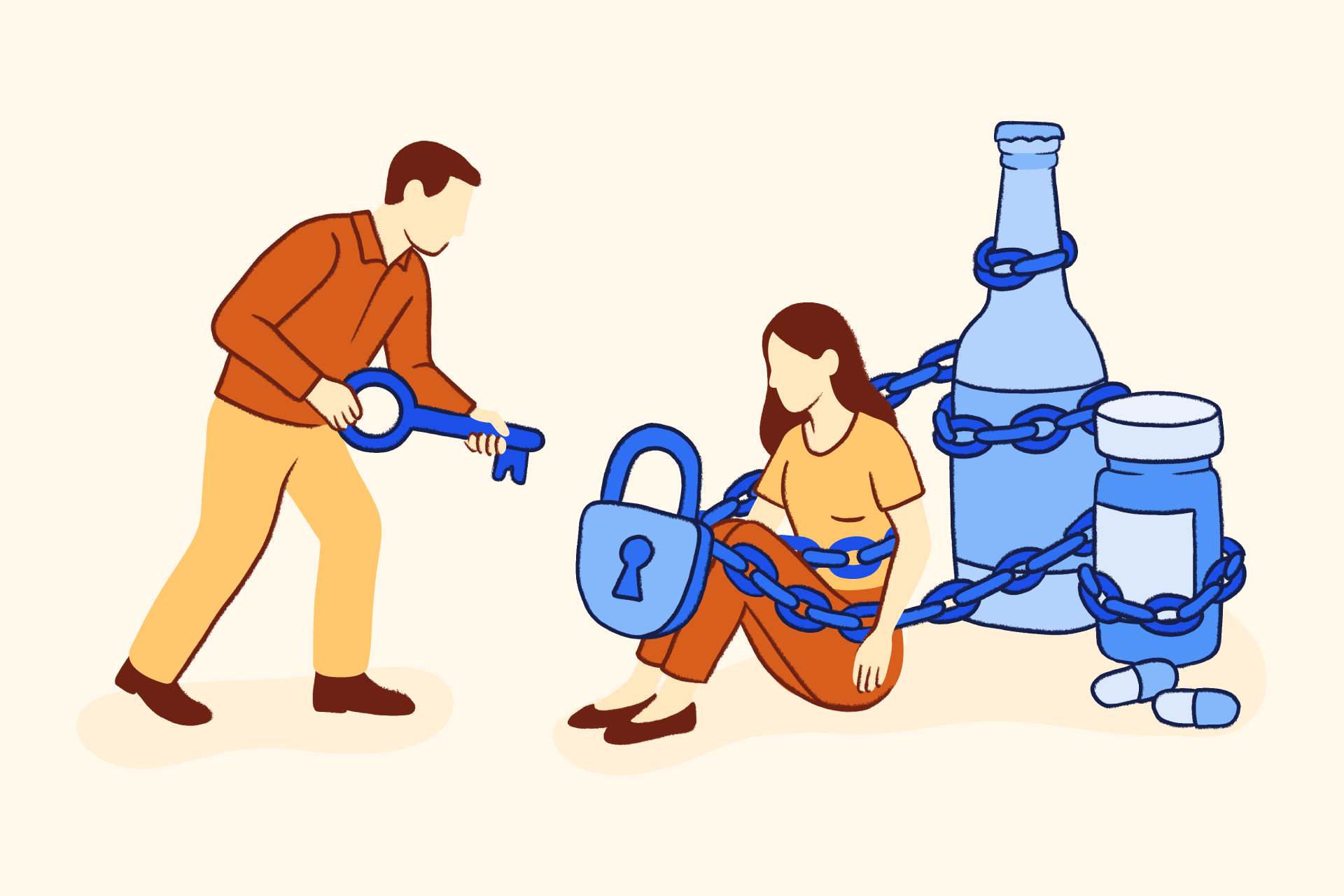
Florida's Marchman Act provides for voluntary admissions and involuntary assessment, stabilization, and treatment of adults and youth who are severely impaired due to substance abuse.1,2 Families can use it as a legal option when a loved one needs treatment but will not seek it on their own. With the right steps, there is a clear, structured path toward getting that person the care they need.
What Is the Marchman Act?
The Marchman Act, officially the Hal S. Marchman Alcohol and Other Drug Services Act of 1993, is codified in Chapter 397 of the Florida Statutes, which governs substance abuse services statewide.1 The law creates two paths into care: a voluntary admission, where a person applies to a licensed service provider on their own, and an involuntary process, where a court can order assessment and treatment, as well as protective custody and emergency admissions, involuntary assessments for minors, and civil involuntary proceedings when a person cannot or will not seek help.2,3
Effective July 1, 2024, Florida streamlined the law’s court procedures. Previously, the involuntary process required two petitions: one for assessment and stabilization and another for treatment. The updated law combines these steps into a single petition and court process.3
Find The Perfect Treatment For You
Answer a few questions and we'll match you with the best options.
What Are You Struggling With?
What Kind of Care Do You Need?
What Insurance Do You Have?
Marchman Act vs. Baker Act
The Marchman Act and the Baker Act are Florida's two main involuntary commitment laws, but they cover different situations.
The Marchman Act addresses substance abuse impairment and can lead to a court-ordered treatment period of up to 90 days with possible extensions.4 The Baker Act addresses mental health crises, such as when a person is at serious risk of harming themselves or others, or is unable to care for themselves. An initial involuntary examination is limited to 72 hours for adults.5
A spouse, legal guardian, relative, service provider, or another adult with direct knowledge of a person's substance use impairment may file a petition under the Marchman Act, while Florida law also authorizes law enforcement officers, physicians, clinical psychologists, and other qualified professionals to initiate a Baker Act examination.5,6 Because both laws deal with involuntary treatment, it is easy to confuse them. Recovery.com's involuntary rehab FAQs page covers how involuntary commitment works across different states, which can help clarify Florida’s approach.
Explore Drug Addiction Treatment Centers
Who Can File a Marchman Act Petition?
Under current law, a Marchman Act petition for an adult can be filed by the person's spouse or legal guardian, any relative, a licensed service provider, or an adult who has direct personal knowledge of the person's substance abuse impairment and their prior course of assessment and treatment.6 If the person is a minor, a parent, legal guardian, or licensed service provider can file on their behalf.6
The person named in the petition has the right to be represented by counsel at every stage of the case, and the court must appoint an attorney for them if they cannot afford one.7 Courts can also waive certain service-of-process fees for petitioners who qualify as indigent.6














Criteria for Involuntary Assessment and Stabilization
Florida law sets a specific two-part test for involuntary admission. A court must have good faith reason to believe that the person is substance abuse impaired, or has a substance use disorder along with a co-occurring mental health disorder, and that because of that impairment or disorder, both of the following are true.2
Loss of Self-Control
The first required element is that the person has lost the power of self-control with respect to substance misuse or addiction, meaning they cannot manage their use on their own.2
Risk of Harm or Impaired Judgment
The second requirement can be met in one of two ways:
- The person’s substance use has impaired their judgment so severely that they cannot recognize their need for services or make a rational decision about care. Refusing services alone does not meet this standard.
- Without care, the person is likely to seriously neglect their basic needs, creating an immediate risk of substantial harm that family members, friends, or other available services cannot reasonably prevent. This requirement may also be met if the person has harmed, threatened to harm, or is likely to physically harm themselves or someone else.2
How to File a Marchman Act Petition in Florida
To start the process, a petition for involuntary treatment services is filed with the clerk of court.8 Because the petition is submitted under oath, it needs to include specific reasons for believing the person is substance abuse impaired and has lost self-control, along with supporting facts for whichever part of the harm or judgment test applies.9 Courts may waive certain service-of-process fees for petitioners who qualify as indigent.6
If the petition describes an emergency, the court may issue an order without a hearing or first appointing an attorney. The order directs law enforcement to take the person to a licensed provider for evaluation.10
What Happens After a Petition Is Filed?
Once an emergency order is issued, a service provider generally cannot hold the person for more than 72 hours of observation, though that window can extend if the person is showing signs of withdrawal or needs medical stabilization, or if the observation period would otherwise end on a weekend or holiday.10 If the person is not located or served in time for the scheduled hearing for any reason, the court can reissue an emergency order valid for up to 90 days and must continue the case for no more than 10 court working days once the person's location is known at the time of the hearing.10
When the case reaches a hearing and the court finds, by clear and convincing evidence, that the criteria for involuntary treatment have been met, it can order the person into involuntary treatment services for a period of up to 90 days.4 This process shares some similarities with court-mandated rehab ordered as part of a criminal case, though a Marchman Act order is a civil process focused on getting someone into treatment rather than an alternative to jail time.4
If the person still needs care as the 90-day period nears its end, the service provider, or the original petitioner with supporting documentation from the provider, can file a petition to renew the order before it expires. The court must schedule a renewal hearing within 10 court working days, held no more than 15 days after the petition is filed, and can renew the order for up to another 90 days if the person still meets the criteria. This can be repeated as long as the person continues to need care.11
Substance Abuse Treatment Options Under the Marchman Act
Treatment under the Marchman Act utilizes the same levels of care available to anyone seeking help voluntarily, and where someone lives during treatment depends on how much support they need.
Options for care can include:
- Medical detox in Florida, for those who need medical support to safely stop using drugs or alcohol and can receive withdrawal management under medical supervision.
- Residential care, where a person lives at a treatment program for a period that typically lasts a few weeks to a few months.12,13
- Intensive outpatient treatment, where people can keep living at home while attending several hours of therapy each week.
- Outpatient care, where a person attends appointments and returns home the same day
After detox, many people step down into a level of care that offers less structure but still provides regular support.
While some of these options for care require full-time commitment and dedication, some of them make it easier to hold onto work, school, or family responsibilities while still getting meaningful support. Many people also stay connected to recovery long after formal treatment ends by attending addiction support groups, which offer community and accountability.
Treatment ordered under the Marchman Act must be provided by a publicly- or privately-funded licensed service provider, and the hope is that a comprehensive treatment plan will be completed, rather than just a few days of stabilization.4
How to Help a Loved One Through the Marchman Act Process
If you are considering filing a Marchman Act petition for someone you love, a few practical steps can make the process less overwhelming. Start keeping a written record of specific incidents, including dates, what happened, and who else was there, since the petition needs this kind of detail rather than general concerns.9 It also helps to identify people who have seen your loved one's substance use firsthand, since their accounts may support the petition.
Alongside preparing the paperwork, consider having an honest conversation with your loved one when it is safe to do so. Listening without judgment and speaking with kindness can make a real difference, even if it takes more than one conversation before they are ready to accept help.14
Finally, look into treatment facilities ahead of time so there is no gap between a court order and your loved one actually starting care. The steps that help most, avoiding enabling behaviors, staying patient, and taking care of your own well-being, are the same ones covered in Recovery.com's guide to how to help a loved one with addiction, and they matter whether or not you end up filing a petition.
Find Addiction Treatment in Florida
Whether you are preparing to file a petition or a loved one is ready to accept help voluntarily, the next step is finding a licensed treatment provider who is the right fit. Recovery.com makes it easier to compare options by location, level of care, and specialty, so you can find addiction treatment centers in Florida that match your loved one's specific needs. Taking this step now means treatment can start as soon as it is needed.
FAQs
The Marchman Act addresses substance abuse and allows for a court-ordered treatment period of up to 90 days.4 The Baker Act addresses mental health crises and caps an initial involuntary examination at 72 hours.5
A spouse, legal guardian, relative, licensed service provider, or an adult with direct personal knowledge of the person's substance abuse impairment can file for an adult. For a minor, a parent, legal guardian, or licensed service provider can file.6
An initial treatment order can last up to 90 days.4 If the person still needs care, the order can be renewed for additional 90 day periods for as long as the need continues.11
Yes. The person has the right to be represented by counsel at every stage of the case, and the court must appoint an attorney for them if they cannot afford one.7
The court keeps jurisdiction over the case after issuing a treatment order and can enter further orders as needed, including initiating contempt of court proceedings for violating a valid order.4
Yes. Before the initial order expires, a service provider or the original petitioner can file a petition to renew it, and the court can extend treatment for additional 90-day periods if the person still meets the criteria.11


Our Promise
How Is Recovery.com Different?
We believe everyone deserves access to accurate, unbiased information about mental health and recovery. That's why we have a comprehensive set of treatment providers and don't charge for inclusion. Any center that meets our criteria can list for free. We do not and have never accepted fees for referring someone to a particular center. Providers who advertise with us must be verified by our Research Team and we clearly mark their status as advertisers.
Our goal is to help you choose the best path for your recovery. That begins with information you can trust.