Find Treatment By
Rehabs by Location


Find Treatment By
Learn
About Us
Recovery.com combines independent research with expert guidance on addiction and mental health treatment. Our mission is to help everyone find the best path to recovery through the most comprehensive, helpful network of treatment providers worldwide.
Advisory Council
Our advisory council brings together leaders in behavioral health, technology, and business. Their diverse expertise ensures our resources and product are innovative, evidence-based, and effective. They guide our mission as accomplished individuals dedicated to improving the landscape of addiction recovery and mental wellness.
Let it Go: The Toxic Nature of Grudge-Holding


Table of Contents
I’m a grudge-holder by nature. And as ashamed as I am to admit that fact, I’ve found it’s been a hard piece of my personality to crack. Most recently, I’ve been struggling with resentment towards a former close friend of mine. After having met his now-wife, he subsequently cut me off, due to the fact that having any “gal pals” made her uncomfortable.
At first I was devastated, but that sadness gradually turned into a deep-seeded resentment. For nearly two years, I stewed over how I felt “wronged” and how quickly he was to throw our 10-year friendship in the trash. It consumed a big part of my energy, yet the only result it yielded was misery.
Explore Interpersonal Therapy Treatment Centers
Grudges Drag You Down
The problem with grudges is that they don’t really serve a purpose. They don’t make us feel better, heal our hurt or affect the other person at all. In fact, at the end of the day, all we end up with is the all-consuming toxicity a grudge holds over us.
In recovery, this can have a negative impact in many ways. For starters, it can lead to stinking thinking, cause difficulty in developing emotional sobriety and result in a great deal of bitterness about life in general. It can also hamper personal growth and even lead to a relapse.
Letting It Go
The path to freedom from a grudge is all about forgiveness…not towards the other person, but towards ourselves. The answer lies in learning to love and honor ourselves.
To let go of a grudge, we need to move the focus off of the one who “wronged” us and place it on our own hearts. In refocusing our attention, we can find the soothing kindness and compassion that the grudge itself desires, but we’re also able to take responsibility for caring about our own suffering. Our recovery efforts will ultimately be strengthened by releasing that long-held anger.
Choosing Freedom Over Resentment
Not too long ago, I followed this advice and chose to practice forgiveness. I wrote my former friend a long email about how I had felt over the last two years and told him I’d reached the point where I wanted to bury the hatchet. And even though it didn’t repair our friendship, I took it as an opportunity to recognize the wisdom, self-love and personal growth I’d achieved through this experience.
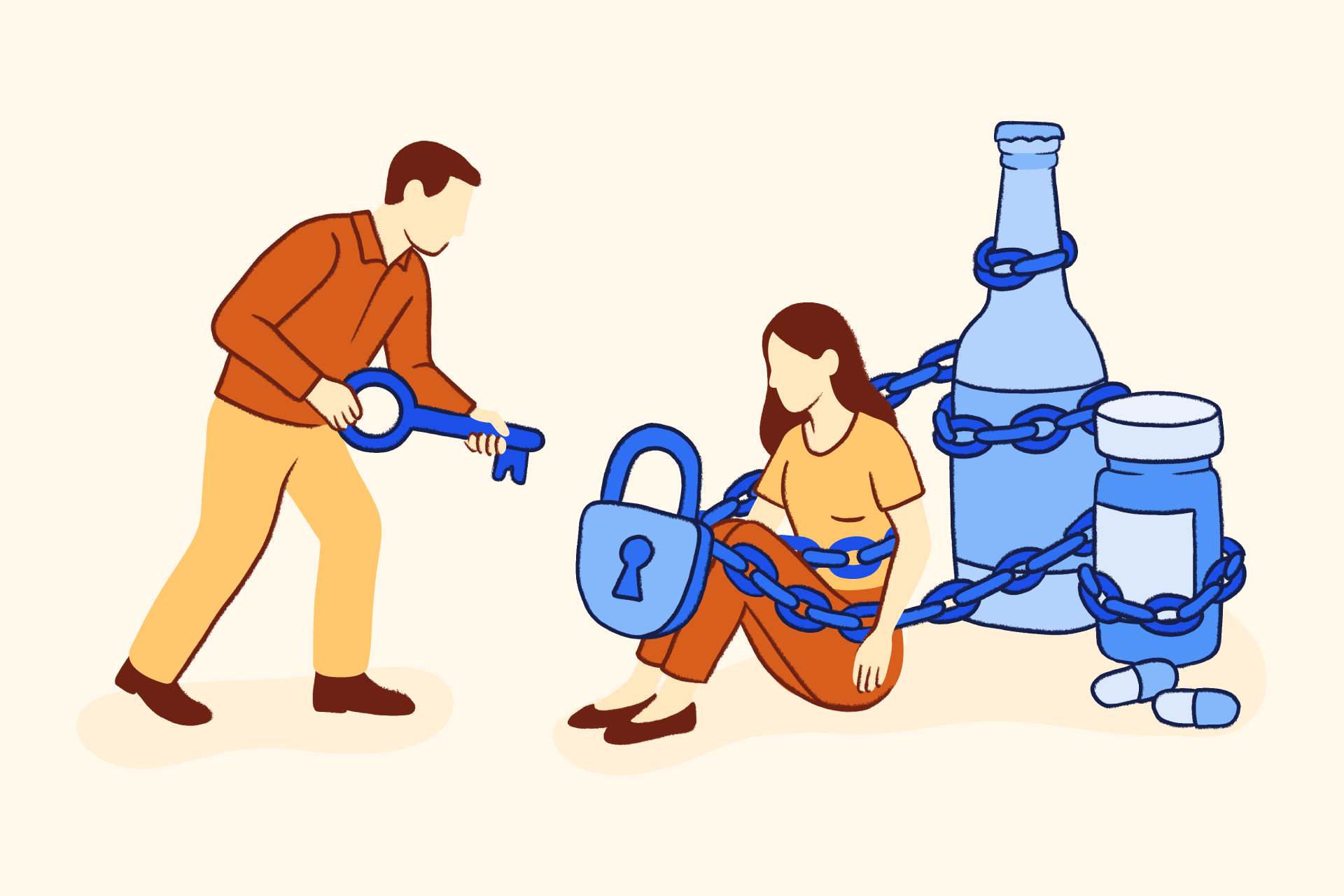
After all, we can’t control other people’s actions, but we can control how we respond to it. Today, I choose to live in the present, free from the resentment that kept me chained to the past.
Moving Forward
Holding onto a grudge often feels justified, but over time, it can quietly erode emotional well-being. In recovery, resentment rarely protects—it weighs people down, keeping them tied to past pain instead of present growth. Letting go is not about rewriting history or repairing every relationship. It is about choosing self-respect, emotional clarity, and freedom.
By shifting focus inward and practicing compassion toward oneself, people in recovery can release anger that no longer serves them. The result is not perfection or closure on demand, but something far more sustainable: peace, perspective, and the ability to move forward without carrying the past into the future.
From intensive individual therapy programs to 24/7 structured support, the right solution is out there. Explore options for wellness-focused mental health treatment, trauma treatment centers, and more to find a safe space to heal. Find a mental health facility today and begin your journey toward stability and peace.
FAQs













Our Promise
How Is Recovery.com Different?
We believe everyone deserves access to accurate, unbiased information about mental health and recovery. That's why we have a comprehensive set of treatment providers and don't charge for inclusion. Any center that meets our criteria can list for free. We do not and have never accepted fees for referring someone to a particular center. Providers who advertise with us must be verified by our Research Team and we clearly mark their status as advertisers.
Our goal is to help you choose the best path for your recovery. That begins with information you can trust.