Find Treatment By
Rehabs by Location


Learn
About Us
Recovery.com combines independent research with expert guidance on addiction and mental health treatment. Our mission is to help everyone find the best path to recovery through the most comprehensive, helpful network of treatment providers worldwide.
Advisory Council
Our advisory council brings together leaders in behavioral health, technology, and business. Their diverse expertise ensures our resources and product are innovative, evidence-based, and effective. They guide our mission as accomplished individuals dedicated to improving the landscape of addiction recovery and mental wellness.
Ibuprofen Addiction: 5 Key Signs of Addiction and How to Heal



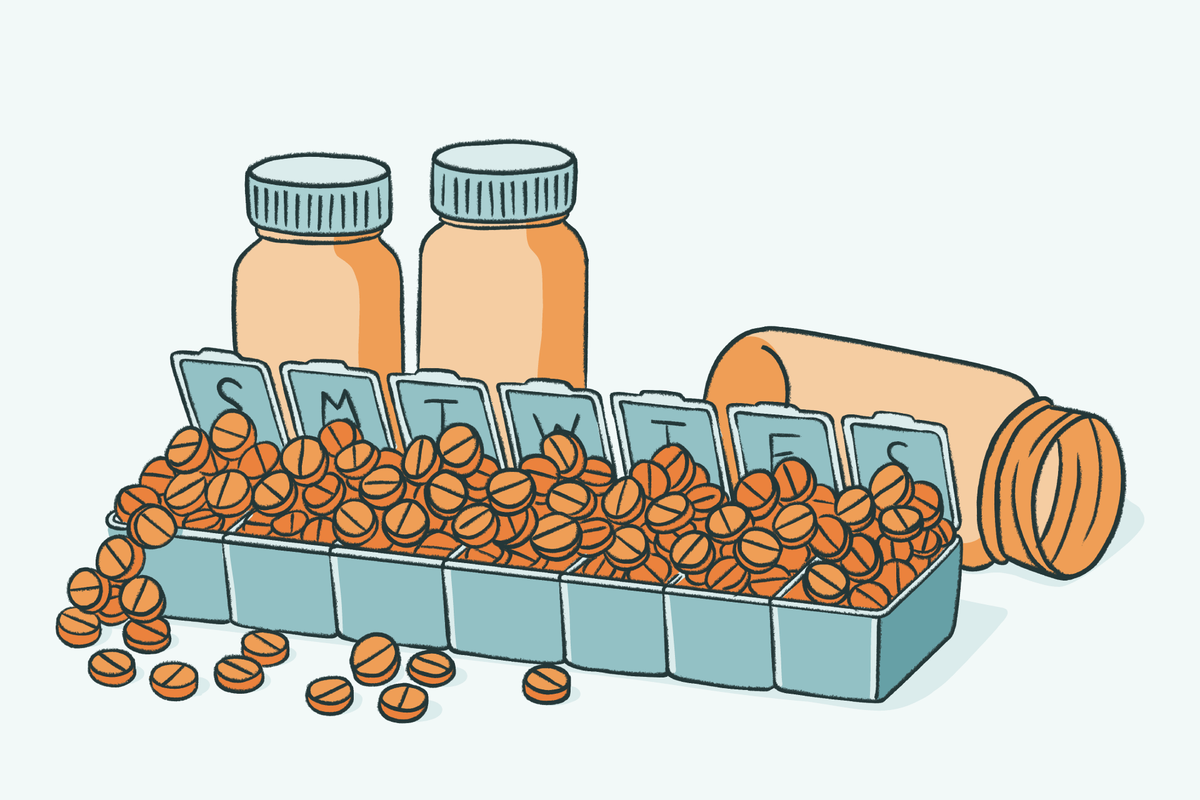
Ibuprofen is an over-the-counter medication for pain relief and inflammation. It’s a reliable tool for a stubborn headache, fevers, and general muscle aches and pains. But too much, too often can create an ibuprofen addiction.
We’ll explore how likely an ibuprofen addiction is, signs your use has turned problematic, and how to restore your relationship with pain relief.
Understanding Ibuprofen
Ibuprofen was patented in 1961. Dr. Stewart Adams, Dr. John Nicholson, and Colin Burrows are credited for its discovery as a nonsteroidal anti-inflammatory drug (NSAID) that was safer than steroids and other over-the-counter pain relievers, like aspirin.1
Since its discovery, ibuprofen has become a first-resort painkiller and fever reliever. It’s inexpensive, well-tolerated, and generally safe for all ages.
How Does Ibuprofen Work?
Ibuprofen works by inhibiting an enzyme that creates prostaglandins, which play a key role in pain, inflammation, and fever.2 With fewer prostaglandins you feel less pain, inflammation goes down, and fevers fade. The effects last a few hours.
What Are NSAIDs?
NSAIDs treat pain, fever, and inflammation. The FDA has approved 18 types, including topical versions you can apply like lotion. The recommended dose is 200 milligrams, and an overall daily dose of 800 mg.
But after surgeries or for other conditions requiring pain management, the short-term recommended dosage can rise to 3200 milligrams per day. These higher doses are helpful for debilitating toothaches, migraines, and post-surgery pain.
NSAIDs differ from other pain relievers, like acetaminophen (Tylenol), in that they also target inflammation. They’re less powerful than prescription medications like opioids, but can replace them in certain situations and dosages.
Find The Perfect Treatment For You
Answer a few questions and we'll match you with the best options.
What Are You Struggling With?
What Kind of Care Do You Need?
What Insurance Do You Have?
Can You Get Addicted to Ibuprofen?
Ibuprofen is generally considered non-addictive and not habit-forming, but in rare cases, someone can develop an emotional and physical dependence on ibuprofen. One case report found that a participant with ibuprofen addiction experienced cravings, tolerance (needing more and more to feel desired effects), and a positive change in mood after taking high doses.3 These effects mimic other drug addictions.
Someone may feel a marked boost in mood, even a ‘buzz,’ after the use of ibuprofen because it reduces inflammation, which can cause or worsen mood disorders like depression.4 Feeling symptom relief after taking ibuprofen can prompt someone to take more doses throughout the day. They may start increasing their dose to maximize the effects, too.
Eventually, the reward pathway in your brain (which labels pleasurable activities as something you should do again) can get used to the feel-good effects of ibuprofen and produce less dopamine. Low dopamine levels can prompt cravings for the substance your brain associates with stability and reward.5 Soon, taking ibuprofen can feel less like something you want to do, and more like something you have to do to feel ‘normal.’
Explore Drug Addiction Treatment Centers
5 Signs of an Ibuprofen Addiction
An ibuprofen addiction often begins subtly, as many addictions do. Keep an eye out for these 5 signs in yourself or a loved one.
1. Taking More Ibuprofen Than Prescribed
The daily limit for ibuprofen caps out at 3200 mg. Someone with an ibuprofen use disorder may take twice or triple the daily limit.
Doctors may also prescribe higher doses of ibuprofen, intended for the first few days after a painful procedure. A telling sign of ibuprofen addiction is taking these stronger doses longer than prescribed and even requesting refills despite no longer being in pain.
2. Taking Multiple Types of NSAIDs
Ibuprofen is the most common NSAID, but others exist. Common brand names include Motrin and Advil. It’s easy to accidentally take more than one NSAID, like taking ibuprofen and a cold-relief medicine that also contains ibuprofen, but some will stack them purposefully.
Doing this means getting a higher dose, and other potential effects depending on the types of NSAID and what they’re mixed with.
3. Lying About Consumption
Someone may say they only took three pills, but you swear you saw them shake out twice that. Lying about how much they took is a way to conceal the true depth of ibuprofen use, and a way to avoid uncomfortable conversations.
You may not have proof of a lie, either. But gut feelings are telling—the better you know them, the more likely you are to feel like something’s off.
4. Frequent Health Issues
The common side effects of ibuprofen use can range from mildly uncomfortable to dangerous:6
- Ulcers and stomach pain
- Vomiting
- Rashes
- Kidney and heart damage
- Increased risk of heart attack or stroke, and other cardiovascular effects
- Lowered blood pressure
- Gastrointestinal bleeding
Someone who’s regularly taking too much ibuprofen will likely complain of frequent stomachaches, ulcers, dizziness, bruising, and other health conditions. Serious side effects may require prompt medical care.
5. Continuing Ibuprofen Use Despite Consequences
As someone becomes more and more reliant on ibuprofen, their priorities can change. Work, finances, and family can become less important as substance use takes priority. Ibuprofen use can be less impactful than other more dangerous (and expensive) drugs, like opioids and illicit drugs, but still incur consequences.
A primary consequence of excessive ibuprofen use is health complications. Someone with an ibuprofen addiction may develop painful symptoms and end up taking even more ibuprofen to manage the pain caused by ibuprofen.
Signs of an Ibuprofen Overdose
Ibuprofen is the most common NSAID involved in overdoses.7 They can be intentional (a suicide attempt) or unintentional, like unknowingly taking too much or taking the pills out of curiosity, as some children have done. Most ibuprofen overdoses don’t cause harm, but some can have severe health risks.7
Here are the signs of an ibuprofen overdose:
- Dizziness and drowsiness
- Stomach pain
- Nausea and vomiting
- Liver damage and jaundice
- Depressed central nervous system, which means breathing and heart rate slow
- Seizures
- Coma
- Tachycardia (very fast heart rate)
- Kidney failure
- And rarely, multisystem organ failure and death
Healing From an Ibuprofen Addiction
Treating ibuprofen addiction requires curiosity. Perhaps start by getting curious about the underlying reasons for ibuprofen use: Is it primarily for physical pain or more for emotional stress like depression?
The following self-assessment invites you to explore your relationship with Ibuprofen:
- How often do I take Ibuprofen?
- How much Ibuprofen do I take each time?
- Is my use of Ibuprofen more than recommended?
- Am I turning to Ibuprofen for relief from stress, anxiety, depression, or low mood?
- Do I experience side effects from Ibuprofen?
- Is Ibuprofen causing health issues?
- What other tools have I tried for pain-relief?
- Have I consistently implemented any lifestyle changes in an effort to relieve pain - physical or emotional?
Now that you have clarity about your Ibuprofen use and how it’s affecting you, you can use this information to inform your next step.
Ibuprofen doesn’t typically have withdrawal symptoms, so you likely won’t need medical assistance coming off of ibuprofen.8 But healthcare professionals can help you find the safest and most healing path forward from ibuprofen dependence. Your treatment plan can include any of the following steps.
Bring Your Concerns to Your Doctor
Even though Ibuprofen is a legal drug that does not require a prescription, it is totally valid to reach out to your doctor as a safe and responsible step on your healing journey.
A healthcare provider can help you adjust your dose of ibuprofen, create a tapering plan, or suggest alternative methods for pain relief. They can also address any side effects of excessive ibuprofen use, like ulcers or kidney damage.
You and your doctor can create a plan you feel comfortable with. In any case, it will likely involve taking less ibuprofen, or stopping use altogether. They may suggest a different pain reliever or look into a procedure that would lessen underlying pain. They may also refer you to a mental health professional, like a psychiatrist, to address mood disorders that could drive ibuprofen use.
Nourish Your Body
Continually processing too much ibuprofen can tire your body. As you begin to heal, focus on nourishment and improving your overall well-being to help your mind and body heal.
Prioritize nutritious foods and drink plenty of water. This will help flush your system and can ease any pain and discomfort caused by dehydration.
Gentle exercise, like taking a walk outside, can be helpful too. Not only does it get you moving, but it can also keep you occupied and improve your mental health.
Tell Your Support System
Keeping loved ones informed about your journey can help them provide the support you need. It could just be their company, like going out to dinner or watching a movie, or help controlling your access to ibuprofen. For example, you may ask a family member to lock up ibuprofen bottles and monitor your dosage if you need it.
Their emotional and physical support can be invaluable as you navigate your healing.
Seek Therapy
Regular counseling can help you pinpoint the underlying cause of an ibuprofen addiction, and what emotional reliance you may have to ibuprofen. Therapies like cognitive behavioral therapy (CBT) provide powerful, evidence-based treatment for conditions like depression, anxiety, and more. With these underlying conditions addressed, and new coping skills learned, ibuprofen use can fade from being a go-to solution.
Explore Holistic and Alternative Methods
There’s more than one way to relieve pain. Countless alternative methods exist, and some internet searches or browsing for books on holistic healing can help you decide if these methods are right for you. Check with your doctor, too, about more intensive changes. Here are some examples of holistic and alternative pain relief methods:
- Ayurveda is an ancient medicinal system that blends herbal remedies with lifestyle changes, including diet and exercise.9 Ayurvedic medicine approaches pain relief by targeting its root cause, using herbs like turmeric, ginger, ashwagandha, and boswellia, along with soothing oils.
- Acupuncture uses fine needles inserted at various acupoints. The pain relief stems from the body’s release of endorphins and possible changes to serotonin levels.10 Evidence on its effectiveness is mixed, but acupuncture is a standard practice for many.
- Ketamine therapy relieves both acute and chronic pain due to its anesthetic properties. Many ketamine clinics have special pain packages, and patients receive sessions on a regular schedule.
- Massage therapy provides pain and stress relief, which can largely contribute to ibuprofen misuse. Regular sessions with a massage therapist can provide pain relief and a quiet period of self-care.














Relief in Recovery
Addressing the underlying causes of ibuprofen addiction can provide the relief you seek. Your treatment program may include taking other pain medications, support with taking less ibuprofen, therapy, and alternative pain-relief methods, all of which can contribute to your lasting recovery.
Your journey can start today: Use Recovery.com to find prescription drug addiction treatment centers around the world, filtering by insurance, reviews, photos, and more.
Our Promise
How Is Recovery.com Different?
We believe everyone deserves access to accurate, unbiased information about mental health and recovery. That's why we have a comprehensive set of treatment providers and don't charge for inclusion. Any center that meets our criteria can list for free. We do not and have never accepted fees for referring someone to a particular center. Providers who advertise with us must be verified by our Research Team and we clearly mark their status as advertisers.
Our goal is to help you choose the best path for your recovery. That begins with information you can trust.