Find Treatment By
Rehabs by Location


Learn
About Us
Recovery.com combines independent research with expert guidance on addiction and mental health treatment. Our mission is to help everyone find the best path to recovery through the most comprehensive, helpful network of treatment providers worldwide.
Advisory Council
Our advisory council brings together leaders in behavioral health, technology, and business. Their diverse expertise ensures our resources and product are innovative, evidence-based, and effective. They guide our mission as accomplished individuals dedicated to improving the landscape of addiction recovery and mental wellness.

Resource Hub
Explore independent, unbiased information about addiction and mental health treatment—with insights from experts about the rehab experience and therapies. Gain knowledge to help you make the best choices for recovery.
Getting Started

Destinations




Destinations: Colorado
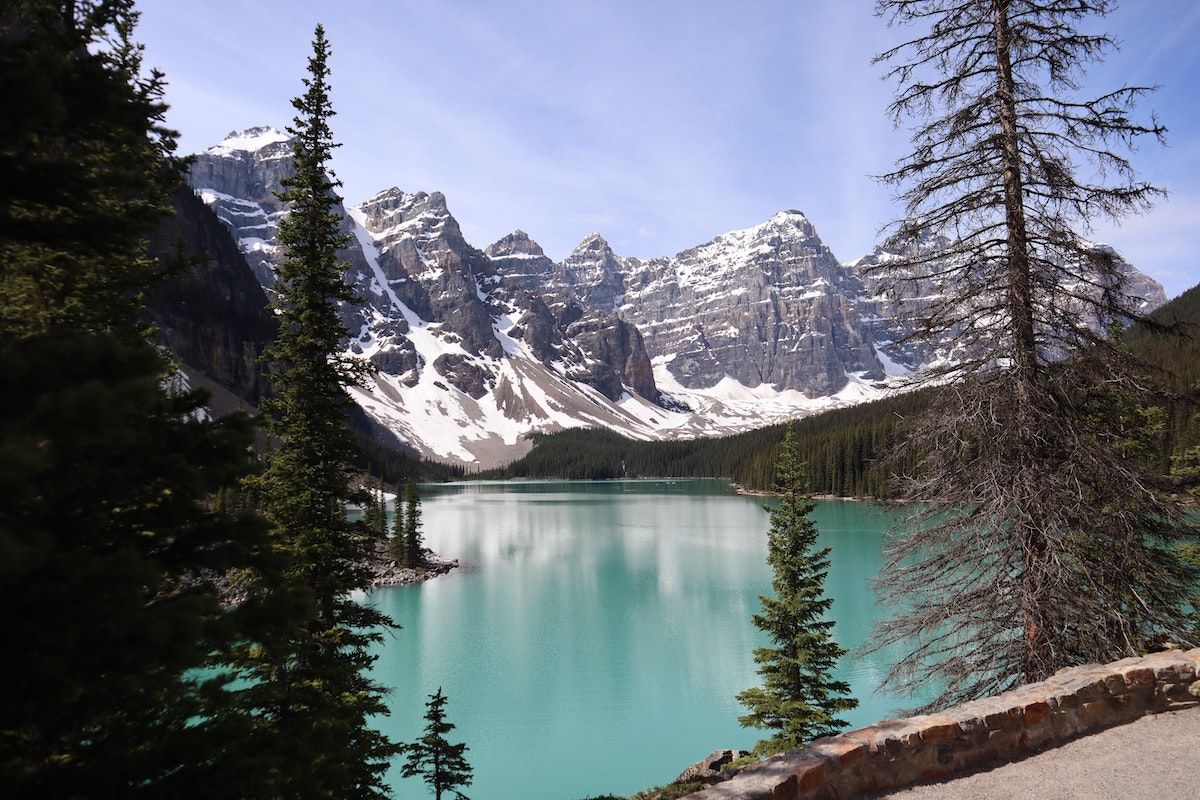
With stunning views, unlimited outdoor activities, and top-tier treatment facilities, luxury rehabs in Colorado harness the power of natural beauty to assist you in your healing journey.