Find Treatment By
Rehabs by Location


Find Treatment By
Learn
About Us
Recovery.com combines independent research with expert guidance on addiction and mental health treatment. Our mission is to help everyone find the best path to recovery through the most comprehensive, helpful network of treatment providers worldwide.
Advisory Council
Our advisory council brings together leaders in behavioral health, technology, and business. Their diverse expertise ensures our resources and product are innovative, evidence-based, and effective. They guide our mission as accomplished individuals dedicated to improving the landscape of addiction recovery and mental wellness.
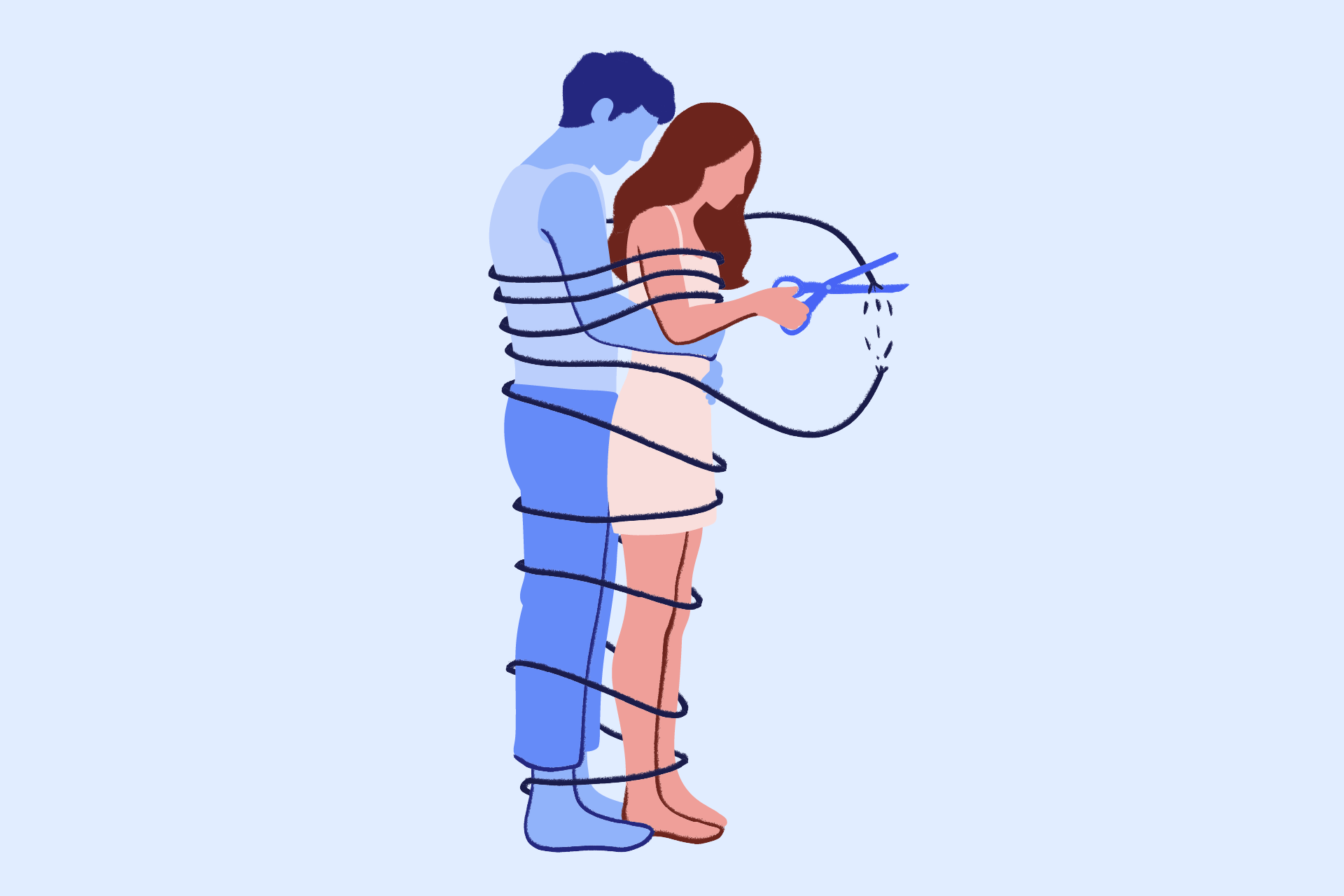
Four Steps to Break the Shackles of Codependency



Addiction is dependent, and the relationships shaped by addiction often become dependent, too.
People living with addiction may rely on unhealthy relationship patterns that support continued substance use, turning otherwise healthy relationships into dysfunctional, codependent ones.
Codependency Defined
Codependency is a behavioral and emotional pattern that can prevent a mutually satisfying relationship. In families affected by addiction, this dynamic can make it easier for substance use to continue. For friends, partners, and family members, codependency can become the emotional “pillar” that holds the situation up while the relationship itself slowly erodes.
Explore Codependency Treatment Centers
To genuinely help someone in active addiction, loved ones often need to honestly evaluate both the relationship and themselves. With that goal in mind, here are four key steps to navigate the road to ending codependency.
Step #1: Become Aware
Denial often plays a role in both addiction and codependency. Many people in codependent patterns deny their own feelings, needs, and expectations to accommodate the unpredictable demands that addiction can create.
Over time, meeting those demands can bring a temporary sense of purpose or emotional relief, filling the void left by a lack of intimacy and healthy connection. The first step towards breaking the shackles of codependency is acknowledging that the shackles of emotional transference exist.
Step #2: Accept Your Value
Codependency often involves low self-esteem, helplessness, and feelings of inadequacy. These painful emotions can lead to self-deprecating or enabling behaviors.
Although the codependent relationship may have caused or exacerbated these feelings, loved ones may not feel they deserve change over time. They must first believe in their own self-worth to combat the insidious and chaotic nature of a codependent relationship.
Step #3: Redefine Relationship Roles
Caretaking is typically the predominant role for those sharing a codependent relationship with an addict. Many times, the role of caretaking offers loved ones a feeling of control and relevance. In a codependent, addiction-centric relationship, offering emotional and financial support enables the addiction to grow stronger, while the relationship becomes less healthy. In recovery, it’s important to become a genuine friend or a concerned parent—not a caretaker.
Step #4: Take Action
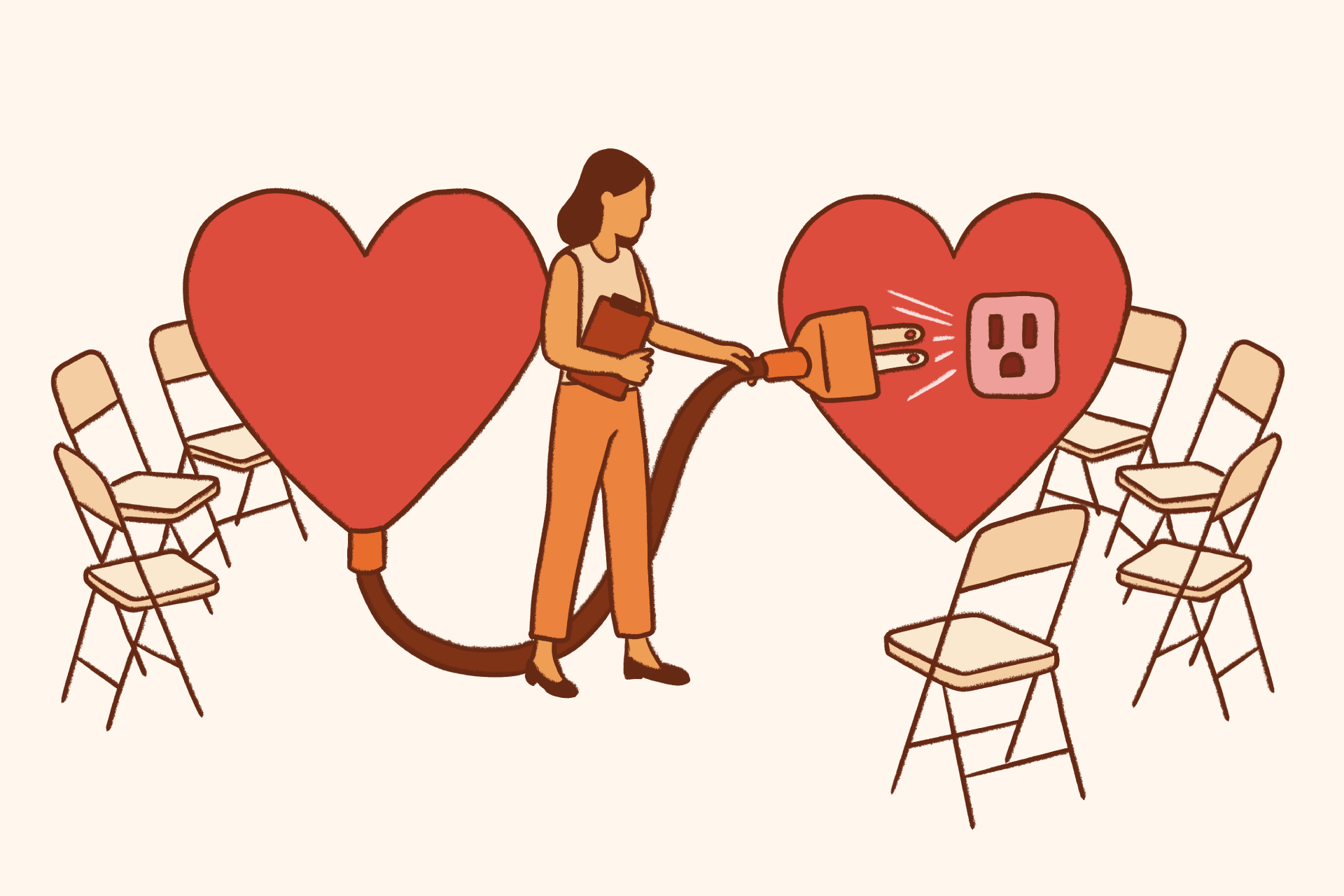
The final step to break the cycle of codependence is turning insight into action. Whether it’s setting physical boundaries, severing responsibility for someone, joining a support group, receiving therapy, or helping someone get into treatment, only meaningful action can create meaningful change, for both yourself and your loved one.
If addiction and codependency have strained your relationship, you don’t have to navigate it alone. Recovery.com can help you find and compare treatment centers, so you can explore care options with ease and take the next step toward healing.
From intensive individual therapy programs to 24/7 structured support, the right solution is out there. Explore options for wellness-focused mental health treatment, trauma treatment centers, and more to find a safe space to heal. Find a mental health facility today and begin your journey toward stability and peace.
FAQs












Our Promise
How Is Recovery.com Different?
We believe everyone deserves access to accurate, unbiased information about mental health and recovery. That's why we have a comprehensive set of treatment providers and don't charge for inclusion. Any center that meets our criteria can list for free. We do not and have never accepted fees for referring someone to a particular center. Providers who advertise with us must be verified by our Research Team and we clearly mark their status as advertisers.
Our goal is to help you choose the best path for your recovery. That begins with information you can trust.