Find Treatment By
Rehabs by Location


Learn
About Us
Recovery.com combines independent research with expert guidance on addiction and mental health treatment. Our mission is to help everyone find the best path to recovery through the most comprehensive, helpful network of treatment providers worldwide.
Advisory Council
Our advisory council brings together leaders in behavioral health, technology, and business. Their diverse expertise ensures our resources and product are innovative, evidence-based, and effective. They guide our mission as accomplished individuals dedicated to improving the landscape of addiction recovery and mental wellness.
Does IV Drip Therapy Really Help With Detox and Recovery?




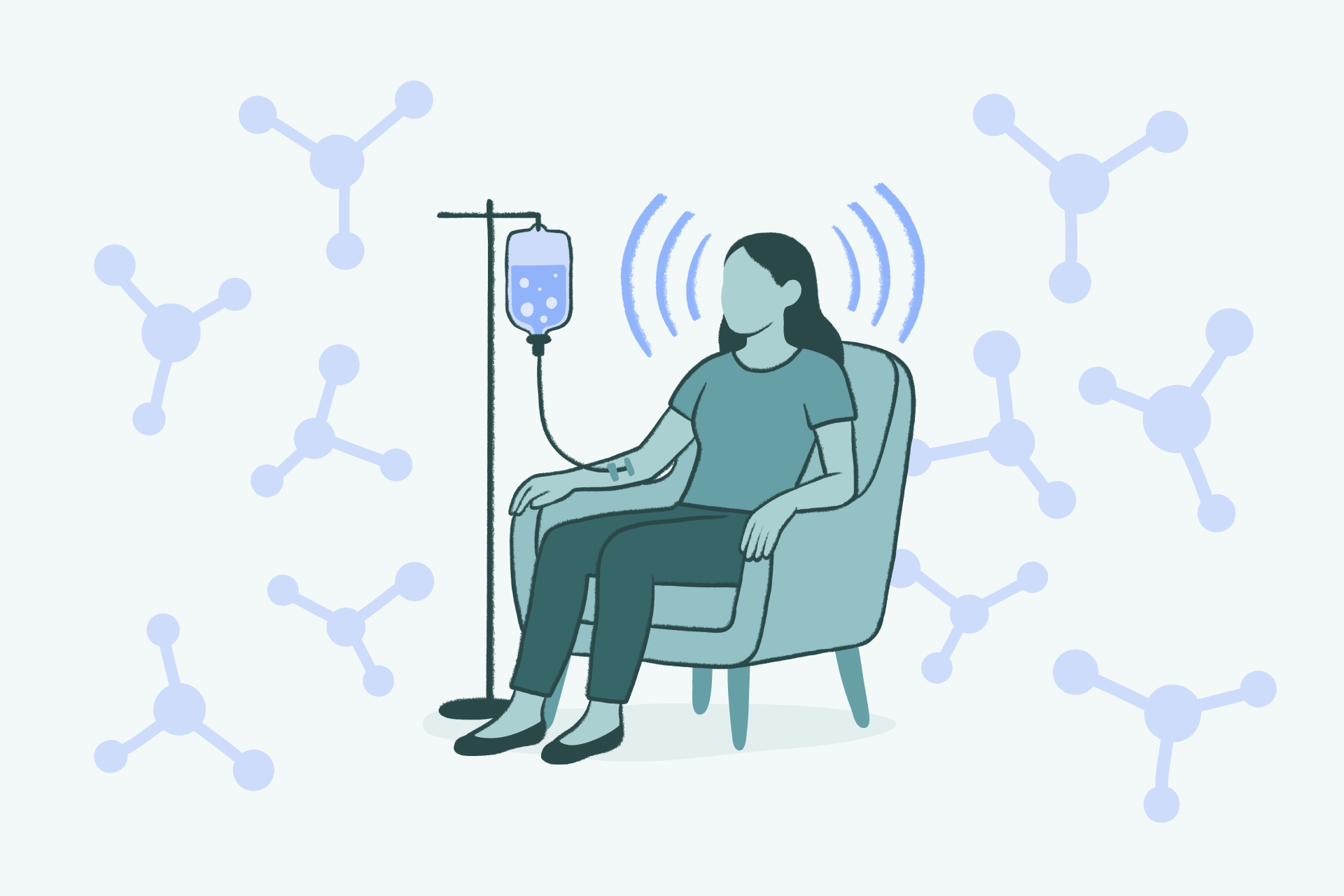
IV drip therapy is a new—and controversial—way to treat addiction. Treatment is just what it sounds like: clients receive vitamins and nutrients intravenously. The goal is to speed up detox, and help with ongoing addiction recovery. And while it sounds promising, there’s some debate about whether it actually works.
Some experts say it relieves the symptoms of detox and withdrawal. It might also ease the other physical side effects of addiction. But many doctors call for more evidence, saying this treatment isn’t worth its high price.
You can try IV drip therapy at several rehab centers—but make sure you understand the pros and cons before you get started.
Explore Drug Addiction Treatment Centers
What Is IV Drip Therapy?
During this treatment, a medical professional administers a vitamin solution through an IV.1 These solutions consist of various vitamins and minerals, like amino acids, vitamin C and B, NAD+ (nicotinamide adenine dinucleotide), and more.
You’ll sit and relax for 30-60 minutes while the infusion enters your system. Different rehabs offer various types of IV drip therapy. They might even tailor each treatment to address your specific symptoms.
Vitamin Infusions
In vitamin IV therapy, you’ll receive a specific combination of vitamins, minerals, and nutrients.
Various treatments can target different physical symptoms. For example, studies show that the Myer’s Cocktail, a mixture of magnesium, calcium, B vitamins, and vitamin C, helps prevent migraines, fatigue, and respiratory issues.2
If you have more specialized concerns, FHE Health offers customized vitamin IV infusions.3
NAD+ Treatments
NAD+ is a naturally occurring coenzyme. It heals and creates new cells, effectively boosting your energy levels. It also protects against stress. Experts say that NAD+ IV therapy alleviates detox symptoms.4
Some providers also use it to treat mental health issues. The Sanctuary at Sedona offers NAD+ therapy to clients with depression, PTSD, and anxiety, as well as addiction. Mary L. Deluca, psychiatrist and Medical Director, says that treatment improves clients’ cognition, energy levels, and sleep habits.5
Is IV Drip Treatment Effective?
The effectiveness of IV drip therapy is up for debate.1 People usually get enough vitamins from a balanced diet, and adding extra vitamins may not actually boost your health. On the other hand, some experts recommend it for detox and addiction recovery.
Reported Benefits of IV Drip Therapy
Some rehabs recommend IV therapy during recovery, especially during detox and withdrawal. Treatment may also help you heal from the physical impacts of addiction. Supporters of IV drip therapy cite several positive effects.
The nutrients in vitamin IV therapies improve digestive health.6 At The Holistic Sanctuary, providers use this treatment to restore levels of the neurotransmitter serotonin. And serotonin is essential for both digestion and the feeling of happiness.7
NAD+ therapy reduces cravings and other withdrawal symptoms.4 It’s especially effective for people in recovery from alcohol or opioid addiction.
IV drip therapy improves hydration.8 Whether your infusion contains NAD+, nutrients, or other vitamins, the saline solution will have a similar effect. This can be especially helpful if you’re healing from ongoing dehydration due to alcohol addiction.9 For these clients, rehydration may improve brain function.
Experts Call for Evidence
Like most treatments, IV drip therapy has pros and cons.1 And some experts think it doesn’t work at all. Columbia University professor Dr. Ariel Igal calls it “the placebo effect.” Others say it has unnecessary risks.
“There’s no actual data” to support IV drip therapy, addiction psychiatrist Emily Zarse told NPR. And any experimental treatment may have unforeseen side effects.10
Excessive vitamin intake can be dangerous.1 Water-soluble vitamins, like vitamins C and B, don’t stay in the body. The excess is immediately flushed from your system, making treatment a waste. But excess fat-soluble vitamins— like A, D, and E—are stored in the body for longer periods of time. And they can be harmful in large amounts.
The high cost of IV treatments probably won’t be covered by your insurance.1 The FDA has yet to approve this type of therapy. And each 30-60 minute session can cost $100—or much more.
Fitting IV Therapy Into Your Recovery Plan
As controversial as vitamin infusions are, they’re very helpful for some clients. But this treatment is just one way to approach recovery. If you’re interested in IV therapy, talk to your medical providers about whether it’s safe for you.
Use Recovery.com to compare treatment options at rehabs, including their pricing, insurance coverage, and other complementary therapies.
Start Your Recovery Journey
Text: If you’re ready to find addiction treatment for yourself or a loved one, we’re here to help. Browse top medical detox centers in the US, inpatient addiction treatment facilities, aftercare options, and more to start on the path to recovery. You can search for rehab by insurance carrier, location, amenities, and more for free. Don’t wait. Get help today.
FAQs
IV drip therapy may help relieve some physical symptoms of detox, but its overall effectiveness in addiction recovery is still debated. While some rehabs report symptom relief, many medical experts say there isn’t enough high-quality evidence to support it as a core treatment.
Rehabs may offer vitamin infusions or NAD+ IV therapy, often tailored to a person’s symptoms. These infusions typically include vitamins, minerals, amino acids, or saline and are used as complementary therapies rather than primary treatment.
Supporters say IV therapy may help with hydration, fatigue, digestive issues, cravings, and withdrawal discomfort, especially during detox. NAD+ therapy is also reported to support energy, sleep, and cognitive function, though evidence is limited.
Many doctors point out that most people get enough vitamins from food, and excess vitamins may offer little benefit or pose risks. Others note that improvements may be due to hydration or placebo effects rather than the infusion itself.
IV drip therapy is best viewed as a supportive or optional treatment, not a replacement for evidence-based care like therapy, medical detox, or ongoing recovery support. Anyone considering it should talk with a medical provider about safety, cost, and whether it’s appropriate for their situation.


















Our Promise
How Is Recovery.com Different?
We believe everyone deserves access to accurate, unbiased information about mental health and recovery. That's why we have a comprehensive set of treatment providers and don't charge for inclusion. Any center that meets our criteria can list for free. We do not and have never accepted fees for referring someone to a particular center. Providers who advertise with us must be verified by our Research Team and we clearly mark their status as advertisers.
Our goal is to help you choose the best path for your recovery. That begins with information you can trust.