Find Treatment By
Rehabs by Location


Learn
About Us
Recovery.com combines independent research with expert guidance on addiction and mental health treatment. Our mission is to help everyone find the best path to recovery through the most comprehensive, helpful network of treatment providers worldwide.
Advisory Council
Our advisory council brings together leaders in behavioral health, technology, and business. Their diverse expertise ensures our resources and product are innovative, evidence-based, and effective. They guide our mission as accomplished individuals dedicated to improving the landscape of addiction recovery and mental wellness.
Holiday Loneliness: How to Cope and Find Joy in Recovery


The holiday season is often depicted as a time of celebration, family gatherings, and festive cheer. But for many, it can be a period of deep loneliness.
Have you ever heard the phrase, “No man is an island?”
It was penned in the 1600s by the English poet John Donne. He had lived through some stark, tragic times, including a plague. Sounds rough, right? This tortured poet knew hardship.
Have you been there? Maybe you’re feeling the loneliness setting in now as the holidays are drawing close or coming to an end. Perhaps you have a bit more comfort than a 16th-century poet, but chances are you can connect with the feeling of being out on an island alone.
In my own personal journey of recovery, there have been times when loneliness threatened to drown me, especially around the holidays. My substance use disorder pushed me further away from people, yet my heart needed and longed for connection. It was a cycle of pain that bred feelings of isolation for years, although I desperately longed for the type of community that I have since found in recovery.
Loneliness during the holidays can feel especially challenging, as all of the Target ads show glittering people with glistening smiles. The world reflects images of perfect families, joyful reunions, and hot cups of shared cocoa.
Yet, loneliness doesn’t have to define our experiences this holiday season or anytime throughout the year. We can create meaningful connections and find joy even during the most difficult times.
The Hidden Struggles of the Holidays
For many, the expectations surrounding the holidays can feel overwhelming. We see images on social media or hear stories of families coming together, and it can be easy to feel like we don’t measure up. Like our stories don’t matter. For those dealing with loss, whether from the death of a loved one, substance use, or the end of a relationship, the absence can be especially painful.
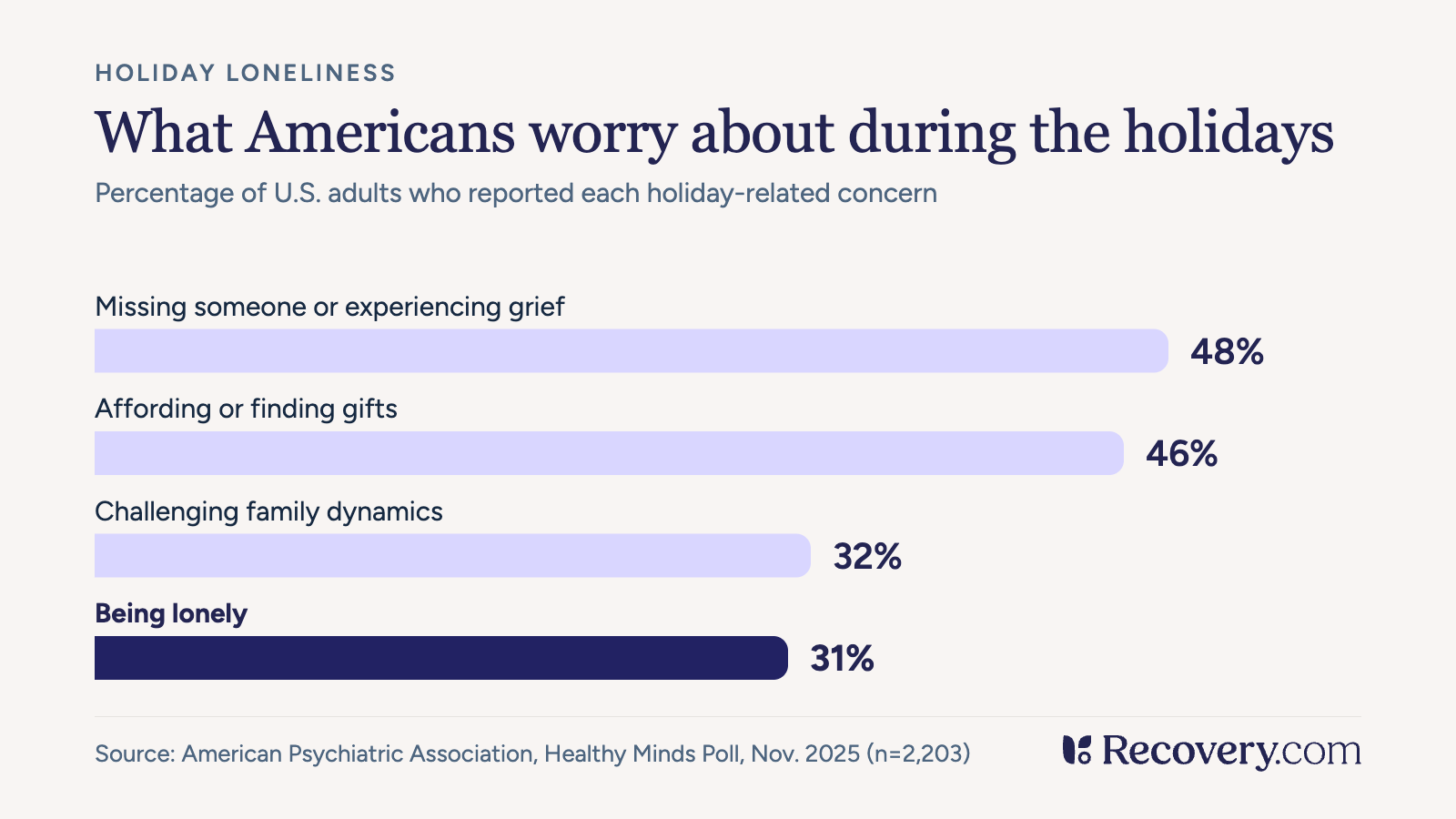
You’re far from alone in feeling this way. In a 2025 national poll, 48% of adults said they were worried about grief or missing someone during the holidays, and 31% said they were worried about being lonely.1
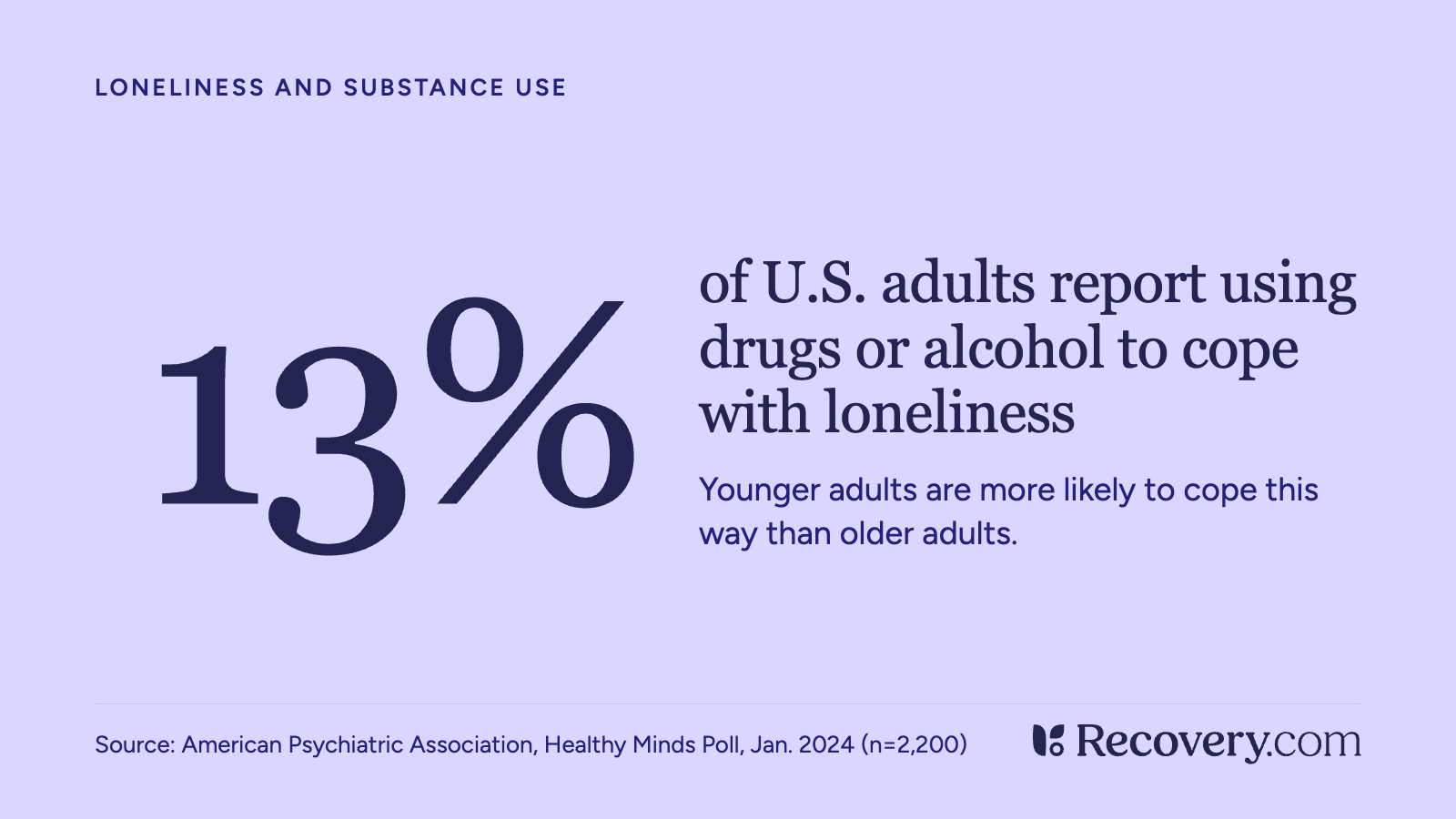
For people living with a mental health condition, the season can be even harder. In a survey from the National Alliance on Mental Illness (NAMI), 64% said the holidays made their condition worse.2 Loneliness can affect substance use, too. In a 2024 poll, 13% of adults said they use drugs or alcohol when they feel lonely.3
If you’re wondering how to deal with holiday loneliness, it helps to know that what you’re feeling is real, it’s shared, and there are things you can do about it.
The holidays can also trigger old wounds or stir up grief, making us more aware of who or what we’re missing. In recovery, the season may present challenges as we balance sobriety with social gatherings (often associated with substance use) or family dynamics that can be emotionally painful and make us want to find the nearest deserted island.
What’s important to remember is that loneliness isn’t permanent. There are ways to address how we are feeling and even actions that we can take.
Recognizing Loneliness as an Opportunity for Self-Reflection
What if we viewed loneliness as an opportunity for self-reflection or self-awareness? Quiet, still moments can have a purpose, too. We can think about our goals for the new year, explore a new hobby, journal, or meditate on what truly brings us peace.
Practices like journaling can help us to process challenging emotions and gain clarity. If you’re struggling with loss or grief, expressing your thoughts on paper can be a powerful tool. Writing is like having a deep heart-talk with ourselves. For me personally, I know that sometimes in writing I come to discover my thoughts, as if I am meeting them out for coffee for the first time.
“Sometimes in writing I come to discover my thoughts, as if I am meeting them out for coffee for the first time.”
Additionally, consider making a list of gratitude. This simple act can shift our perspective, helping us focus on what we have, not what’s missing. If we’re in recovery, chances are we have had the chance to be irritated by someone telling us to “write a gratitude list.” It might be irritating at times, but this is suggested because it works. Research shows gratitude practices can support better mental health, including fewer symptoms of anxiety and depression.4
Finding New Ways to Connect
We can connect in new ways during the holiday season if our families of origin or other friends aren’t healthy people we can be around, or if we find ourselves feeling lonely for any reason. Feeling isolated during the holidays can also highlight the important need for connection. But connection doesn’t always have to come in the form of traditional family gatherings. There are many ways to reach out and form bonds with others during this time.
1. Reach Out to Healthy Friends
Get in touch with people you trust. When we’re feeling lonely, sometimes that phone is heavy. It’s hard to pick up the phone to text or call someone who may be a support for us. But even a simple phone call, text message, or video chat can make a difference. Let them know you’re thinking of them, and you might find that they’re experiencing similar feelings of loneliness or isolation.
2. Join a Support or Recovery Group
If you’re in recovery or dealing with grief this season or any time during the year, connecting with others who’ve been there can be transformative. There are many options for support that move us from our islands and into spaces where others may be feeling the same things we’re feeling or who’ve experienced the same things. A safe space, either in-person or virtual, can help us find encouragement and the support we need to feel less alone.
Support groups, along with clubs, community centers, local meetups, and faith communities, can help reduce feelings of loneliness and isolation.2 If you're wondering how to find support groups, start by searching for local recovery meetings, asking a healthcare provider for recommendations, or exploring online groups that fit your needs. Many recovery groups also add extra meetings around Thanksgiving, Christmas, and New Year’s, sometimes called marathon meetings or alcathons, so support is often available even on the holiday itself.
Explore Grief and Loss Treatment Centers
3. Volunteer
One of the best ways to overcome feelings of loneliness is by helping others. Volunteering or being of service allows us to connect with our community and experience the joy of giving. Whether it’s serving meals at a shelter or church, helping at a local recovery community center or treatment center, or participating in other community events, showing up for others can help us feel less alone and more a part of something outside of ourselves.
4. Connect Through Shared Interests
Finding connection doesn't always have to mean talking about loneliness or recovery. Sometimes, it's simply about spending time with people who enjoy the same things you do. Consider joining a book club, taking a fitness class, attending a community event, or participating in a hobby group. Local libraries and community centers often offer free or low-cost activities, including during the holidays.
Shared interests can make meeting new people feel a little less intimidating. You don't have to form a close friendship right away. Even small interactions can help you feel more connected to your community.2
5. Make a Plan for Difficult Moments
Some days during the holidays may feel harder than others, especially if you're grieving, spending time away from loved ones, or navigating the holidays in early recovery. Having a plan can help you feel more prepared when loneliness or stress becomes overwhelming.
Think about a few things you can turn to when those feelings arise. Maybe it's calling someone you trust, attending a recovery meeting, going for a walk, or watching a favorite movie. If you're in recovery, consider identifying someone you can reach out to when cravings arise or making a plan to leave gatherings where you don't feel comfortable. You don't have to wait until you're struggling to decide what support might help.2
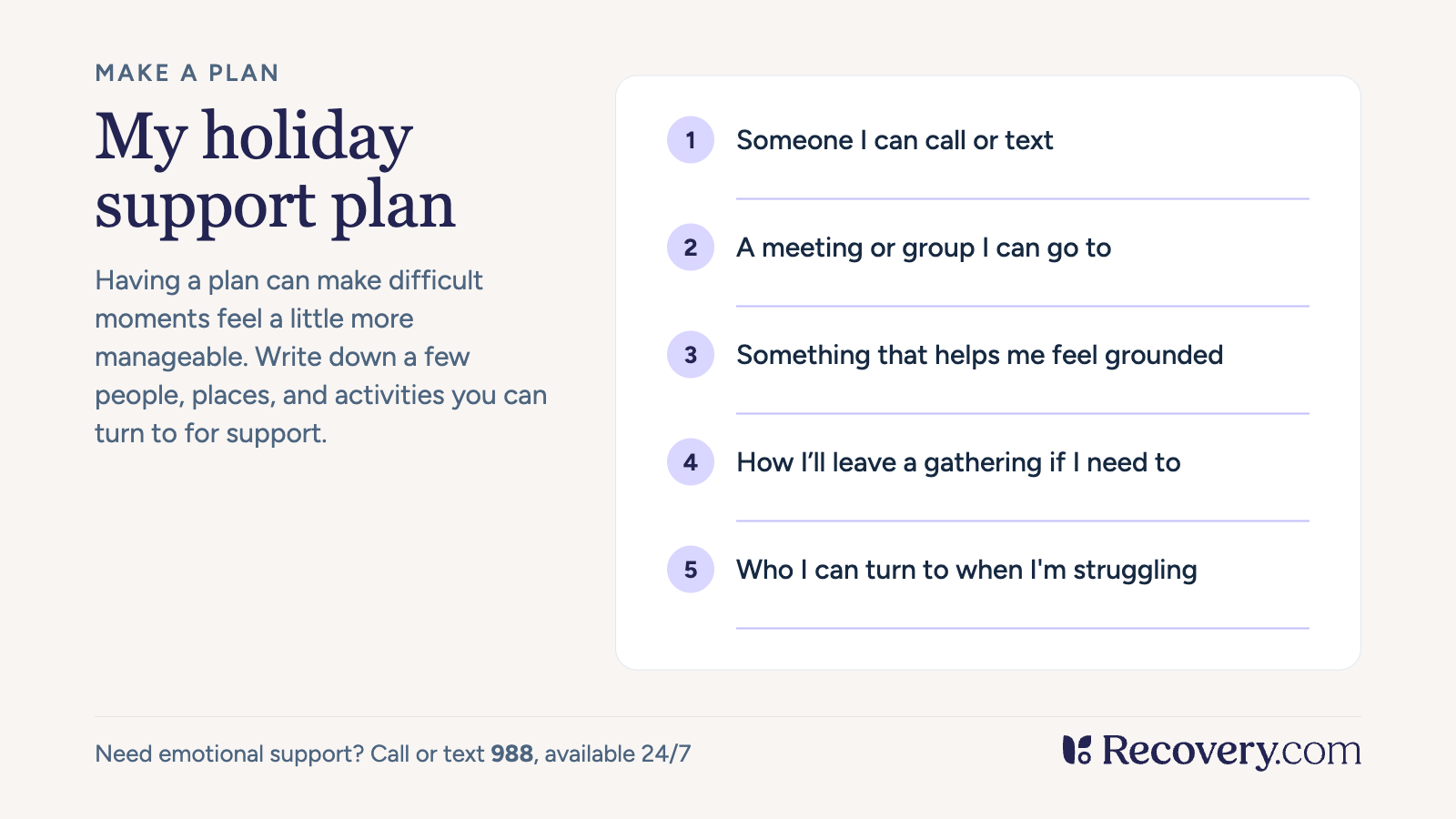
Navigating the holidays can feel easier when you have a plan. Use this holiday support worksheet to identify people you can reach out to, activities that help you feel grounded, and ways to protect your well-being when things get difficult.
Building Meaningful Traditions for Yourself
Sometimes, loneliness is exacerbated by a sense of loss or the absence of past traditions. Maybe your memory of holidays brings back trauma you experienced as a child. This holiday season, consider creating new traditions that reflect your values and recovery now. It’s exciting to think that we can create new ways to honor the seasons that are healthy and life-giving.
For example, you might start a tradition of reflecting on the past year and setting goals for the upcoming one. You could create a ritual of lighting candles each evening, journaling, or learning a new hobby you enjoy playing guitar or painting. New traditions can provide a sense of comfort and continuity, regardless of external circumstances. They can help us to embrace the present.
Seeking Professional Help if Needed
If loneliness feels overwhelming, persists beyond the holidays, or makes it difficult to get through the day, consider reaching out for professional support. You don't have to wait until things get worse to ask for help.
A therapist, peer support group, or mental health program can help you work through loneliness, grief, or depression. If you're struggling with substance use, addiction treatment can help you develop healthy coping skills, manage difficult emotions, and build stronger relationships.5
Recovery.com can help you find treatment that fits your needs, whether you're looking for mental health support, addiction treatment, or both. You can explore treatment centers, compare programs, and learn about your options so you can take the next step toward feeling better.
Support is available, even during the holidays. If you need someone to talk to, call or text 988 for free, confidential support, 24/7. You can also call SAMHSA's National Helpline at 1-800-662-HELP (4357) for treatment referrals and information about mental health and substance use services.
FAQs
Yes. Holiday loneliness is common, and you’re not alone in feeling it. In a 2025 national poll, nearly one in three adults said they were worried about being lonely during the holidays.1 Grief, family tension, and the pressure to celebrate can all make the season feel harder.
Being alone and feeling lonely aren’t the same thing. Loneliness is feeling disconnected from others, and even someone with a lot of friends can feel lonely.6 Whether you’re alone at Christmas or on another holiday, try planning your day ahead of time. Build in one or two points of connection, like a call with a friend or a virtual meeting, get outside, and make something you enjoy. Treating the day as your choice, not a failure, can help it feel like your own.
Loneliness isn’t a diagnosis on its own, but it can raise your risk of depression and anxiety.6 If loneliness comes with other signs, like losing interest in things you usually enjoy, low energy, or feelings of helplessness, it may be time to talk with a professional.
The holiday blues are temporary feelings of sadness, stress, or loneliness that can arise during the holiday season. They may be triggered by family tension, grief, financial stress, or the pressure to celebrate.7
Seasonal affective disorder (SAD) is different. It’s a type of depression that follows a recurring seasonal pattern, with symptoms typically lasting four to five months of the year. Unlike the holiday blues, SAD is associated with seasonal changes, including reduced daylight.7
While occasional loneliness is common, ongoing loneliness and social isolation can increase your risk of depression and anxiety.6 Signs of depression may include:7
- Loss of interest in activities you usually enjoy
- Low energy or persistent fatigue
- Feelings of guilt, worthlessness, or hopelessness
- Thoughts of death or suicide
If you're in recovery, you may also notice stronger cravings or urges to drink or use drugs. If these feelings persist, worsen, or interfere with daily life, consider reaching out to a mental health professional for support.
Reach out first. A text, call, or invitation can mean a lot to someone who’s grieving, in recovery, or far from family. Invite them to something low-pressure, and keep checking in after the holidays end. If your loved one is also struggling with substance use, patience and compassion go a long way as you learn how to help someone with an addiction.








Our Promise
How Is Recovery.com Different?
We believe everyone deserves access to accurate, unbiased information about mental health and recovery. That's why we have a comprehensive set of treatment providers and don't charge for inclusion. Any center that meets our criteria can list for free. We do not and have never accepted fees for referring someone to a particular center. Providers who advertise with us must be verified by our Research Team and we clearly mark their status as advertisers.
Our goal is to help you choose the best path for your recovery. That begins with information you can trust.