Find Treatment By
Rehabs by Location


Find Treatment By
Learn
About Us
Recovery.com combines independent research with expert guidance on addiction and mental health treatment. Our mission is to help everyone find the best path to recovery through the most comprehensive, helpful network of treatment providers worldwide.
Advisory Council
Our advisory council brings together leaders in behavioral health, technology, and business. Their diverse expertise ensures our resources and product are innovative, evidence-based, and effective. They guide our mission as accomplished individuals dedicated to improving the landscape of addiction recovery and mental wellness.
Are You Addicted to Chaos?


With over seven years of experience treating the chemically-dependent population of San Diego, Lindsay Kramer is a licensed Marriage and Family Therapist (MFT) that brings expertise, compassion, and perpetually-evolving insight into her work at Caroline Stewart and Associates.

With over seven years of experience treating the chemically-dependent population of San Diego, Lindsay Kramer is a licensed Marriage and Family Therapist (MFT) that brings expertise, compassion, and perpetually-evolving insight into her work at Caroline Stewart and Associates.
“I get uncomfortable when everything is going well in my relationship. That’s not normal to me; normal is boring, and I don’t know how to be in relationships that are like that. I continually seek out drama because that’s what I know how to handle.”
Such is a common sentiment expressed by patients struggling with relational components of their chaotic lives.
When Calm Feels Unsafe
Working in an inpatient treatment setting, I find my patients constantly resisting letting go of the chaos and dysfunction that were part of their lives during their active addiction.
They may be immersed in interpersonal conflict over which residents are not cleaning up after themselves, loudly arguing with their spouses on the phone, or perseverating on the outside stressors requiring management once they complete treatment.
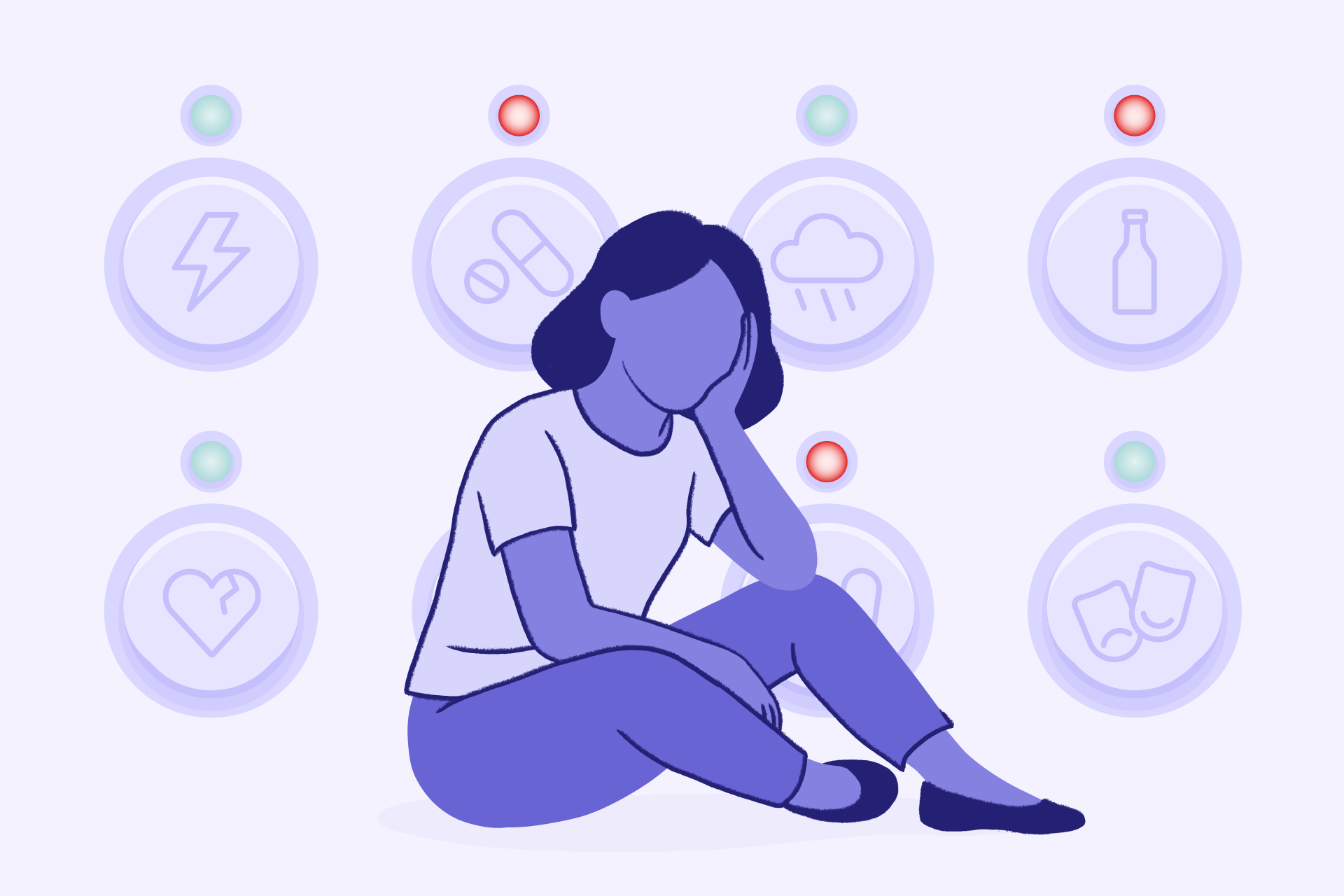
Some patients can maintain a strong focus on gratitude and peace within their newfound recoveries, but others can’t seem to find a way out of the eye of the storm and seemingly replace one chaotic situation with another.
I used to question why the latter demographic would actively invite tension into their treatment until I better understood the nature of their overall addiction.
Explore Drug Addiction Treatment Centers
Addiction Is the Tip of the Iceberg
I believe that addiction (to anything) is just the tip of the iceberg within a person’s life. The addiction pokes its head out of the surface of the water, but underneath are many layers of unresolved conflict and trauma that the addiction is hiding below the surface.
Furthermore, the addiction serves as a maladaptive tool to manage anxiety that is derived from the other layers of unresolved dysfunction. When a person struggling with addiction first becomes sober, two things can happen:
- They experience anxiety over the heightened awareness of exactly how big their “iceberg” really is.
- There is a gravitational pull toward continuing to surround themselves with any chaos and drama that is available as a means to manage that anxiety.
When Chaos Becomes “Normal”
Many people have been raised in environments saturated with intergenerational addiction, abuse, and mental illness. Within these environments, chaos is as normal as cereal and cartoons on Saturday mornings. Whether it is constant yelling and screaming, children coming home from school to find their caregiver(s) severely under the influence and in need of a caregiver themselves, or people coming and going in a rotating-door fashion, chaos and dysfunction can cause much trauma.
Continuous chaos can also be normalized over time as home environments with these characteristics come to solidify themselves as predictably unpredictable.
A person being raised in an environment with these characteristics also learns how to control the chaos so that it can become manageable and functional within their lives (the notion of “control” is a prominent factor in this regard).
Moving forward in life, that individual’s viewpoint of the world is altered in accommodation of dysfunction, and their “wires” become crossed: what is chaotic is viewed as normal, and what is supposed to be normal becomes chaotic and overwhelming within their perspective. They may further create chaos out of everyday situations to be able to manage their lives as they had been accustomed to already doing.
Can Someone Become Addicted to Chaos?
This leads to the question, “Can one become addicted to chaos?”
First of all, an easy way to determine if a behavior is problematic is when it begins to impact an individual’s daily functioning.
If a person is so consumed by engagement in a behavior that it impacts their ability to eat, sleep, and bathe regularly, the quality of their relationships, their finances and/or employment, or any other factor that is embodied in the normalcy of a person’s life, we might need to take a close look at how to manage that behavior.
Furthermore, when the individual continues to engage in that behavior despite the growing consequences and possesses a compulsive craving for participating in this behavior, we are entering the realm of what we know as “addiction.”
When an individual continues to gravitate toward that which is chaotic to the point of their functioning being impacted, they may perpetually engage in behaviors that are distressing, traumatic, and promote overall dysfunction. They may do this despite the consequences resulting from these behaviors, and the process can also certainly impact their interpersonal relationships.
That all being said, a person can become addicted to chaos just as others become addicted to vodka or shopping. The concept of “chaos” may be more difficult to pinpoint due to its abstract and qualitative nature; however, the addictive pattern it demonstrates can be similar to any other commonly-known addictive behavior. In fact, an “addiction to chaos” may be underlying a diagnosable addiction to a substance (for example), because that substance is arguably the coping mechanism used to maladaptively manage the gravitation toward what is chaotic and dysfunctional.
How Can a Person Manage an Addiction to Chaos?
Start With a Professional
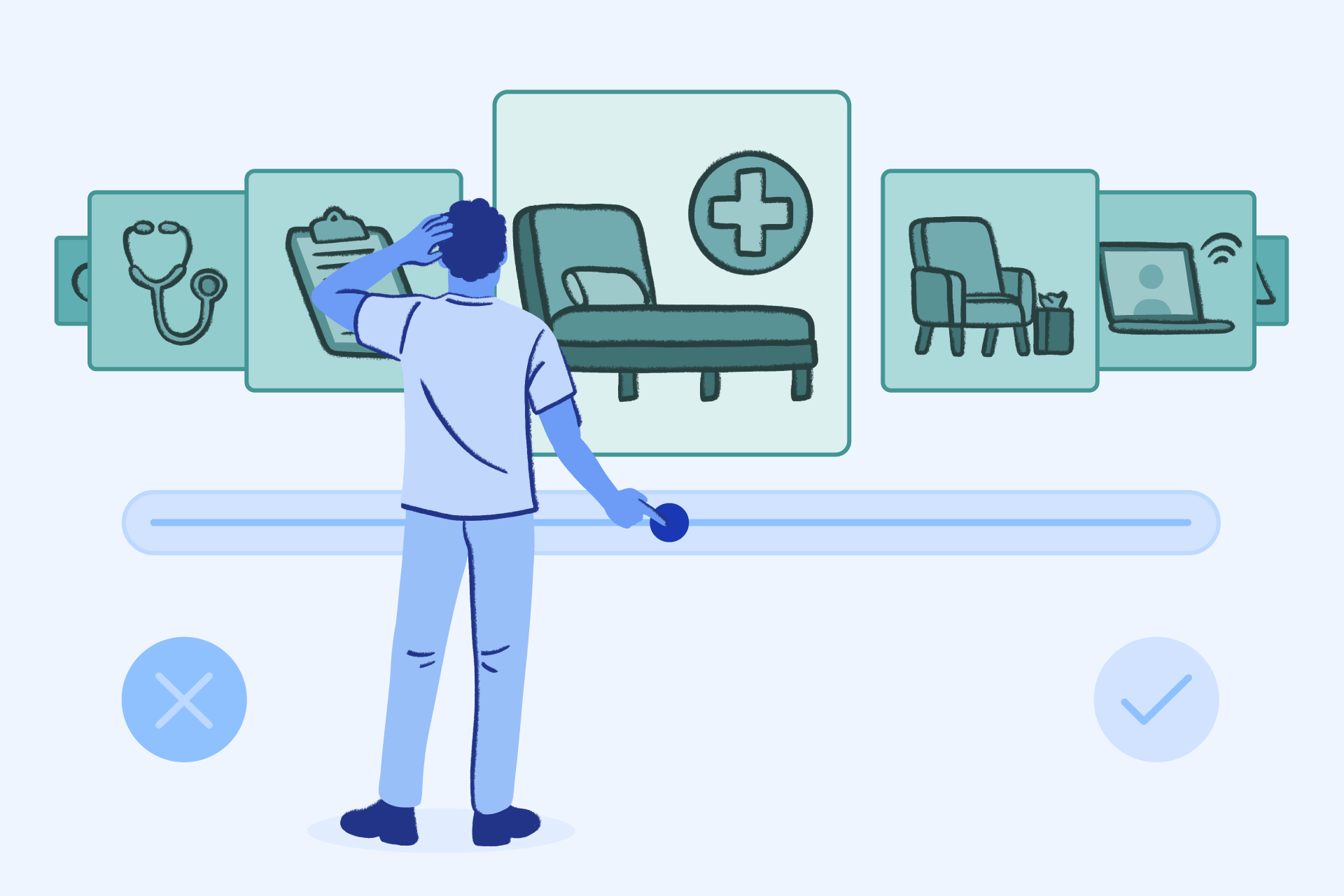
There needs to be an awareness of this gravitation toward addiction first and foremost. If you, the reader, resonate with the concepts outlined above, I very much encourage you to speak to a mental health provider about the nature and patterns of your behaviors for further assessment and evaluation.
As I am cognizant of this concept being much larger than what I am capable of addressing within this article, any diagnosis or treatment is best left to a clinician who is able to guide and support you through this journey of treatment for your symptomology.
Learn How to Manage Anxiety
If you are early in recovery, understand that anxiety is typical within this process. Remember that addiction serves the purpose of managing anxiety, and when a person discontinues their addictive behaviors, that anxiety rears its ugly head again. Furthermore, one might seek out chaos to manage the discomfort that comes with the new normal recovery brings.
If you have been conditioned to anticipate chaos in the environment, a la “waiting for the other shoe to drop,” you may spearhead similar behaviors as a means to feel that you are in control of your continually dysfunctional environment. Unfortunately, this becomes a self-fulfilling prophecy, and you are still caught in the vicious cycle of using chaos to manage unresolved anxiety that was originally derived from the chaos.
For the person accustomed to anxiety, there is a fear in the calm, as it is unknown and foreign. This is where learning how to sit with this calm, accepting it as being safe, and managing any resulting anxiety is key. The more you practice this, the more you are empowering yourself by reinforcing that calm is healthy, and that engagement in chaos will only perpetuate the anxiety you wished to avoid in the first place.
Identify the Contributing Factors Associated With Chaos
Identify the relationships, environments, and circumstances that are contributing to the overall chaos. Determine your desire to change these factors, and also understand how and when you are likely to engage in these patterns.
Remember that you may not be able to create immediate change in these areas (i.e., you may not be able to suddenly quit a job that is contributing to your life’s chaos), but identifying your goals in changing these patterns opens the door to setting a change plan.
Furthermore, you may not desire to end a chaotic relationship, but it is still important to understand the dysfunctional patterns embedded in this relationship that require change. Understand when you are prone to seek out chaos (the HALT acronym is a helpful tool to increase awareness), and develop a plan for how you will combat the tendency to immerse yourself in chaos as a means to cope with other unresolved problems.
Treat Engagement in Chaotic Behaviors the Same as You Would a Relapse
If we are looking at chaos through the lens of addiction, why should we look at the treatment of chaos in any other way? For instance, if you are sober from alcohol but continue to seek out and initiate arguments with your significant other, you are inherently exchanging one addictive behavior with another.
In setting and initiating a relapse prevention plan for a substance, incorporate preventing chaos into this plan and treat it with the same level of severity that you would any other relapse. As chaos can precede or follow substance use itself, it’s necessary to use chaos as a marker for relapse behaviors associated with that use.
Treat Engagement in Chaotic Behaviors the Same as You Would a Relapse
Determine your bottom line regarding what dysfunction you will and won’t allow within your life. When we determine our bottom lines, we are provided with a pathway for the boundaries we want to set to protect and support those bottom lines.
If your bottom line is that you will not allow someone to affect your mood by their fixation on drama, it’s best not to allow them to share yet another story with you about an interpersonal conflict they are having. Redirect them or leave the conversation. This also takes practice, but identifying your bottom line is the first step in applying the boundaries needed to employ in order to protect your overall recovery.
Remember that recovery is a journey and not a destination. It evolves, much becomes uncovered over time, and the recovered don’t conquer everything all at once. Embrace the newfound calm within this recovery process and practice patience as you strive to create your healthier new normal.
Build a Calmer, Healthier New Normal
If any part of this article resonates with you, consider it a sign to take the next step. A mental health professional can help you identify the patterns driving your gravitation toward chaos and build healthier coping strategies that protect your recovery and relationships.
The earlier you address these dynamics, the easier it becomes to break the cycle, and the more confident you’ll feel choosing calm instead of conflict. Recovery isn’t just about removing substances; it’s about learning how to live safely in peace. When you’re ready, Recovery.com can help you find treatment options and levels of care tailored to your unique situation.
FAQs













Our Promise
How Is Recovery.com Different?
We believe everyone deserves access to accurate, unbiased information about mental health and recovery. That's why we have a comprehensive set of treatment providers and don't charge for inclusion. Any center that meets our criteria can list for free. We do not and have never accepted fees for referring someone to a particular center. Providers who advertise with us must be verified by our Research Team and we clearly mark their status as advertisers.
Our goal is to help you choose the best path for your recovery. That begins with information you can trust.