Find Treatment By
Rehabs by Location


Learn
About Us
Recovery.com combines independent research with expert guidance on addiction and mental health treatment. Our mission is to help everyone find the best path to recovery through the most comprehensive, helpful network of treatment providers worldwide.
Advisory Council
Our advisory council brings together leaders in behavioral health, technology, and business. Their diverse expertise ensures our resources and product are innovative, evidence-based, and effective. They guide our mission as accomplished individuals dedicated to improving the landscape of addiction recovery and mental wellness.
ADHD and Relationships: 5 Strategies to Build Better Connections


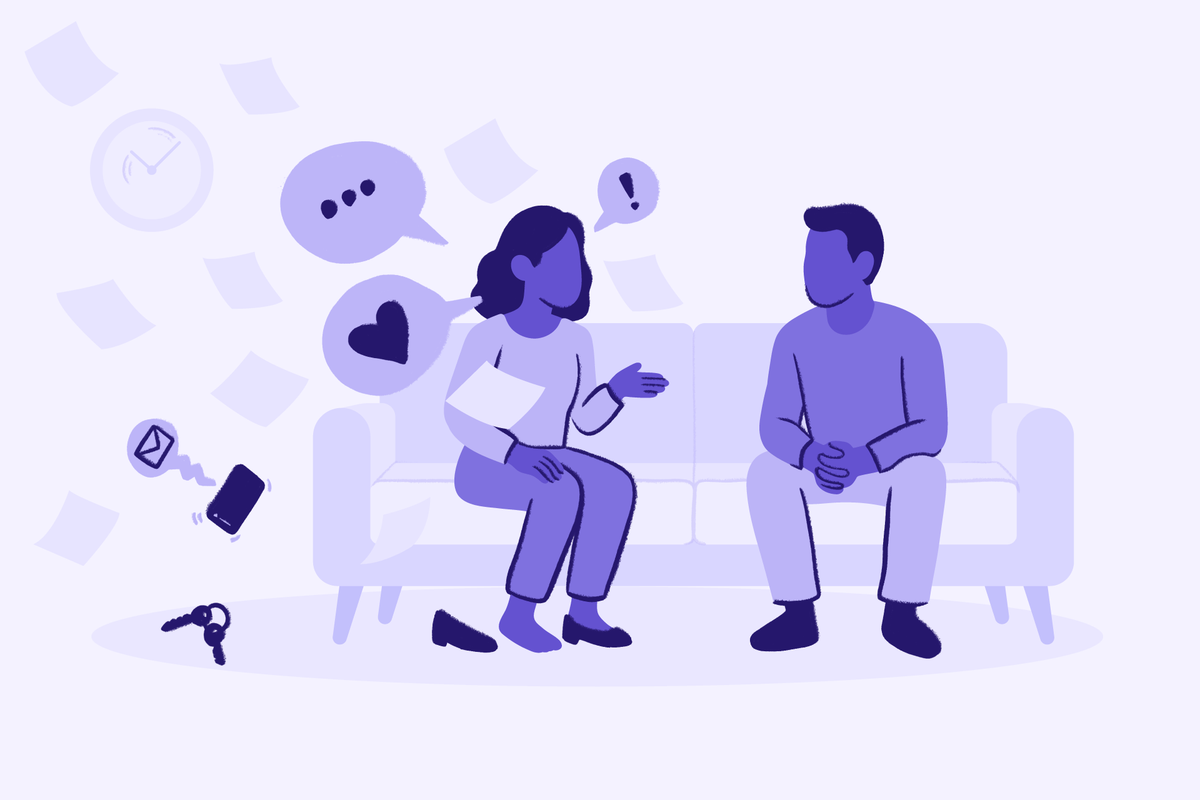
- ADHD affects approximately 4% of adults, and its symptoms can affect interpersonal functioning in romantic partnerships.
- Common relationship patterns include communication challenges, misread behaviors, and parent-child dynamics, that often stem from executive function differences, not a lack of love.
- Practical strategies like clear communication, weekly check-ins, and dividing tasks by strengths can help you build stronger connections.
- Professional support (including ADHD coaching and couples therapy) may be especially helpful since about 40% of adults with ADHD also experience substance use disorders.
Living with attention-deficit/hyperactivity disorder (ADHD) affects more than just focus and activity levels. It can also affect the foundation of your closest relationships. When ADHD is in the mix, you and your partner may notice your relationship works differently than you expected.
Maybe you've noticed patterns of forgotten promises, emotional highs and lows, or communication that keeps missing the mark. These patterns often reflect how ADHD shows up in relationships, not a lack of love.
Understanding these patterns is a first step toward creating a relationship that works for both of you. With targeted strategies and mutual understanding, many couples impacted by adult ADHD build connections that feel steadier and more supportive.
How ADHD Affects Relationships
ADHD affects about 4% of adults, but its influence on relationships often extends far beyond the person with the diagnosis.1 The core symptoms of ADHD (inattention, impulsivity, and sometimes hyperactivity) shape how people interact with their partners in both obvious and subtle ways.2
Because ADHD can affect multiple areas of life, professional support such as ADHD coaching or couples therapy may help couples navigate relationship challenges, especially considering that about 40% of adults with ADHD also experience substance use disorder (SUD).3
Misinterpreting ADHD Behaviors
Misunderstandings about ADHD behaviors can create hurt feelings for many couples.
When your partner forgets important dates, interrupts conversations, or struggles with household responsibilities, you might read these actions as a sign that they don't care. These behaviors often stem from executive function differences (differences in planning, organizing, and follow-through), not a lack of love or commitment.4
Many people with ADHD also experience "time blindness," which means they may struggle to estimate how long tasks take or remember time-sensitive commitments.
This can show up as procrastination, chronic lateness, and rushed preparations that can add stress for both of you. Emotional dysregulation (trouble managing intense emotions) is common in adults with ADHD and can make disagreements feel more intense, sometimes leading to emotional outbursts.5
Some research suggests that in romantic relationships where one partner has ADHD, the partner without ADHD may feel more dissatisfied when they don't understand common behavioral patterns.6
Many couples also say that when they understand how ADHD affects their relationship, they can build strategies that fit their needs.
Find The Perfect Treatment For You
Answer a few questions and we'll match you with the best options.
What Are You Struggling With?
What Kind of Care Do You Need?
What Insurance Do You Have?
Common ADHD Relationship Patterns
Even with challenges, you and your partner may notice strengths that come with ADHD. Many people with ADHD love deeply and passionately. They may also feel creative, spontaneous, or able to think outside the box when solving problems. These traits can support a healthy relationship.
Showing Affection
When it comes to showing love, many people with ADHD feel intense hyperfocus early in a relationship, giving their partner lots of attention, gifts, and enthusiasm.7 When that focus fades, they may struggle with steady expressions of affection in daily life.
This shift can feel confusing if you value consistency. It may help to know that this can relate to ADHD traits, such as novelty-seeking.
We often see couples fall into a parent-child dynamic when one partner has ADHD. What specific strategies have you found most effective in helping couples break out of that pattern without making either partner feel blamed or inadequate?

Communication
Communication can follow similar patterns.
Your partner with ADHD may hyperfocus during important discussions but seem distracted during routine conversations. They might also interrupt or change topics quickly, not because they don't value what you're saying, but because their brain makes connections at a different pace.
Parent-Child Dynamics
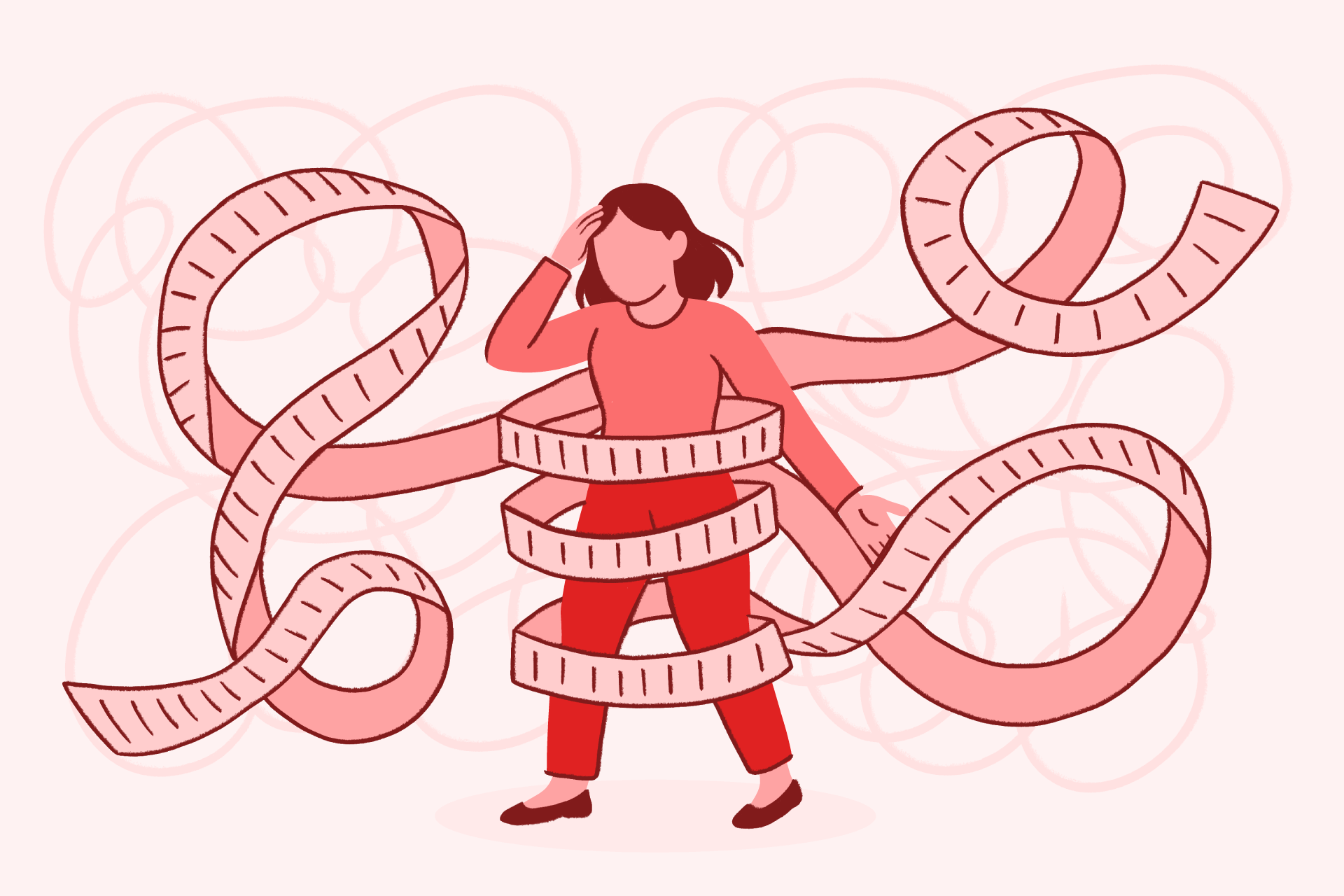
A big challenge for many partners without ADHD is feeling like they're the responsible person in the relationship.8 This dynamic can build resentment if you and your partner don't talk about it openly. At the same time, the partner with ADHD may feel criticized or misunderstood.
Melissa Orlov, author of The ADHD Effect on Marriage, explains the parent-child dynamic in couples with ADHD below.
“The non-ADHD partner often steps in to complete tasks in what they see as a more efficient way, leading to resentment when they feel they are doing more than their fair share…‘It’s easier to do it myself’ is efficient in the short term and can relieve anxiety, but does little to change the overall pattern for the better.”9
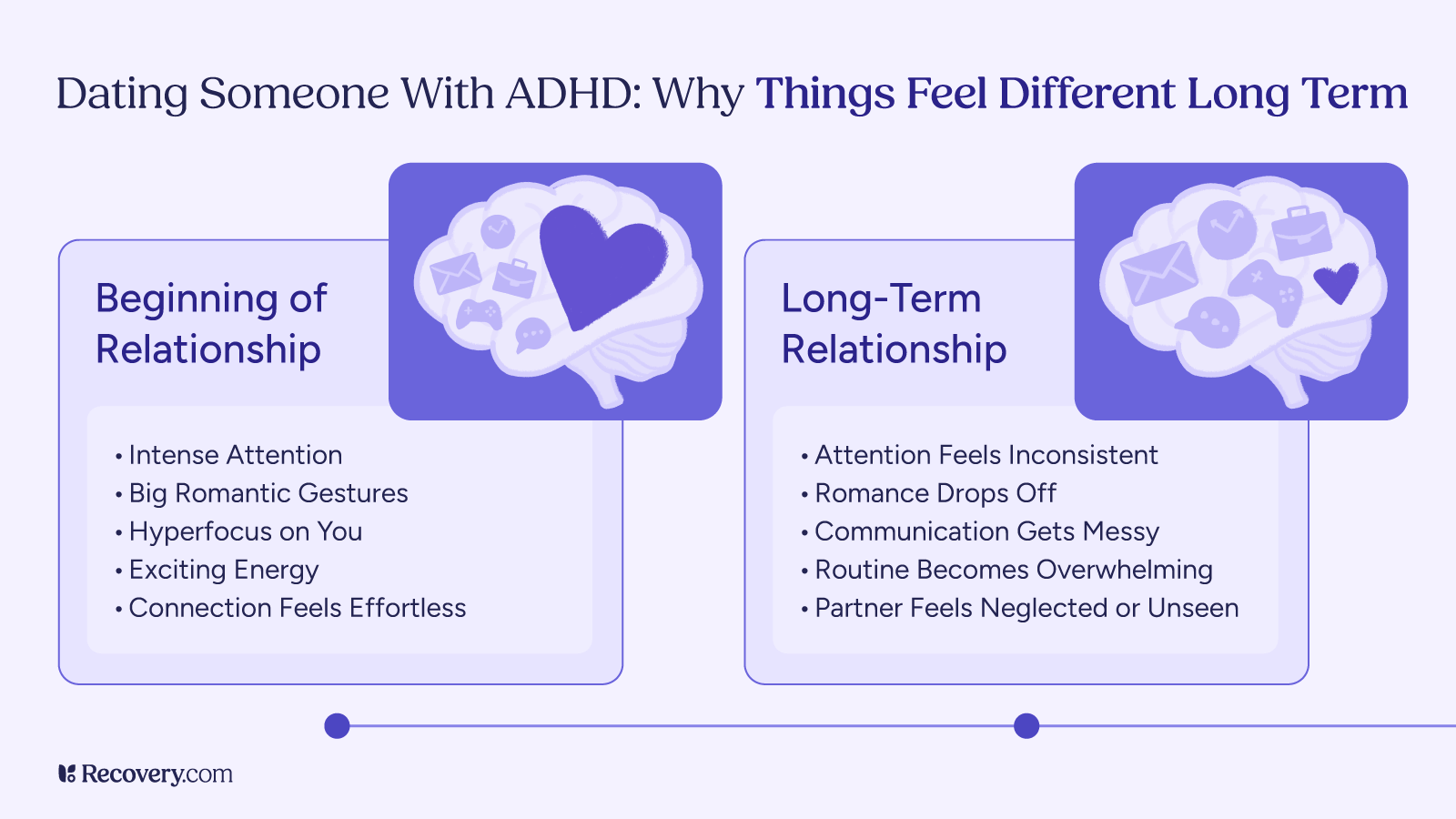
These patterns may feel heavy, but they also give you a starting point. When you understand the pattern, you can explore solutions that fit both of you.
Explore ADHD Treatment Centers
How to Build Stronger Relationships: Strategies for Couples
When ADHD affects your relationship, it can help to build coping skills that fit your needs. Here are some approaches many couples find helpful:
1. Communicate Clearly and Specifically
For many people with ADHD, vague requests like "help more around the house" can feel overwhelming. Specific requests may feel easier to follow, such as: "Could you take out the trash before bed on Tuesdays and Thursdays?" Clear requests can help both of you stay on the same page.
2. Use Visual Aids
Visual reminders can support communication. Shared calendars, reminder apps, and sticky notes can act as external memory supports and reduce mix-ups about plans.
For many people with ADHD, seeing information may feel more helpful than only hearing it. You might set up a family command center with a whiteboard for messages, a calendar for events, and color-coded systems for different family members.
Many partners without ADHD struggle with feeling like their partner's intense early relationship focus was somehow "fake" when it naturally fades. How do you help couples understand and navigate this shift in attention?

3. Build in Flexibility
Structure can help some people manage ADHD symptoms, and flexibility can help lower stress when plans change.10 Many couples aim for a balance between routine and room to adjust.
Weekly check-ins can help you stay connected. You can set a regular time to talk about what's working, what isn't, and what changes might help. These talks often go better when they stay short, positive, and focused on solutions.
4. Accept Different Time Styles
Time management differences can create conflict in relationships.10 To work with time blindness, you might build in buffer time before deadlines or appointments. This can lower stress for both of you.
Written reminders can also help. Psychiatrist Dr. Tracey Marks recommends,
"If you need a task completed by a specific time, write it down and be specific. You probably also need to anticipate the consequences for them, because remember the person with ADD has trouble with planning and foresight."11
For important events, you might take on some time-sensitive steps while your partner contributes in ways that work well for them. Approaches like this can use both of your strengths.
5. Lean Into Your Strengths
Your relationship may feel smoother when you both take on tasks that fit your strengths. If your partner with ADHD excels at creative problem-solving but struggles with routine chores, dividing responsibilities by strengths may help.














Supporting Your Partner With ADHD
Supporting your partner with ADHD isn't about managing them. It can look like building a home life that supports both of you.
Recognize Effort Over Results
Your partner with ADHD may spend a lot of energy on tasks that still don't turn out as planned. Noticing effort, not only outcomes, can support connection.
Separate the Person From the Symptoms
During stressful moments, it may help to remember that many ADHD-related behaviors connect to symptoms, not a personal attack.4 Your partner may forget plans or leave tasks unfinished because of how ADHD affects attention and follow-through.
This shift doesn't mean you accept harmful behavior. It can help you and your partner problem-solve with more compassion.
Maintain Your Own Boundaries
Supporting your loved one with ADHD can also include protecting your own mental health. Clear boundaries around what you need and what you can offer can help lower burnout and resentment.
As a partner without ADHD, connecting with others in similar relationships may offer emotional support and practical ideas. Support groups and online forums like these can give you a place to share experiences and explore solutions:
- The ADDA (Attention Deficit Disorder Association) has online support groups and workshops, plus a manual if you want to start your own.
- CHADD (Children and Adults with Attention-Deficit/Hyperactivity Disorder) offers local support groups and resources across the U.S. and internationally.
- ADDitude Magazine hosts a free ADHD support group for adults on Facebook.
When and Where to Look for Professional Help
Sometimes relationships benefit from extra support. This may matter even more because research suggests that about 40% of adults with ADHD also experience substance use disorders, which can add stress to a relationship.3 Reaching out to a therapist may help if you notice:
- Your conflicts about ADHD-related issues are becoming more frequent or intense
- You're falling into unhealthy patterns, such as parent-child dynamics
- One or both of you often feel unhappy or misunderstood
- ADHD symptoms are significantly affecting major areas of life, like work or finances
When working with couples where ADHD plays a role, how do you help them develop communication systems that stick long-term (rather than just working for a few weeks before falling apart)?
Behavioral Therapy
Couples therapy with a mental health professional who understands ADHD can be especially helpful. An experienced therapist can help you create strategies and facilitate conversations with your partner about relationship issues. A lot of couples find that even a few sessions really improve their communication and understanding.
ADHD Coaching
ADHD coaching is another resource.12 A coach can help your partner build systems for time management, task completion, and organization, which can lower relationship stress.
If you suspect undiagnosed ADHD, asking if they'd be open to an evaluation may lead to more helpful support. With better tools for managing ADHD, your relationship dynamics may improve.
Loving Someone With ADHD Can Feel Easy
Living with someone with ADHD can bring challenges, and it can also bring chances for connection and growth. Learning how ADHD affects your relationship patterns, communicating clearly, and building strategies together can support a stronger partnership.
It may help to aim for progress, not perfection. Creating a relationship where both of you feel valued, supported, and seen often starts with small, repeatable changes.
If you or your partner is struggling with ADHD symptoms that affect your relationship, treatment may help.
Discover a Path to Healing
From ADHD specialists near you to intensive individual therapy programs to 24/7 structured support, the right solution is out there. Explore options for wellness-focused mental health treatment, trauma treatment centers, and more to find a safe space to heal. Find a mental health facility today and begin your journey toward stability and peace.
FAQs
People with ADHD may show love through bursts of affection rather than steady daily actions. They may express love through creative surprises, thoughtful gifts, and intense focus during quality time, and they may also find routine check-ins and small daily gestures harder to keep up with.
People with ADHD can build long-term relationships. It often helps when both partners understand how ADHD affects daily life, use coping strategies, and build routines that support communication and shared responsibilities.
Untreated ADHD can increase conflict for some couples, which may add strain to a relationship. ADHD doesn't determine your relationship outcome. Treatment, relationship strategies that fit ADHD, and shared understanding can help lower stress and improve teamwork.
ADHD communication strategies can include:
- Having clear, direct conversations.
- Sending written follow-ups for important information.
- Setting distraction-free times for discussions.
- Making specific requests instead of general statements.
- Using structures like regular check-ins.
- Using visual aids, such as to-do lists, to reinforce verbal communication.
You can support your partner with ADHD as a teammate, not a manager, by:
- Establishing clear, fair responsibilities.
- Focusing on strengths instead of deficits.
- Building systems together that fit how their brain works.
- Maintaining healthy boundaries.
- Talking early about parent-child dynamics, and exploring professional counseling if that pattern feels hard to change.
Our Promise
How Is Recovery.com Different?
We believe everyone deserves access to accurate, unbiased information about mental health and recovery. That's why we have a comprehensive set of treatment providers and don't charge for inclusion. Any center that meets our criteria can list for free. We do not and have never accepted fees for referring someone to a particular center. Providers who advertise with us must be verified by our Research Team and we clearly mark their status as advertisers.
Our goal is to help you choose the best path for your recovery. That begins with information you can trust.