Find Treatment By
Rehabs by Location


Learn
About Us
Recovery.com combines independent research with expert guidance on addiction and mental health treatment. Our mission is to help everyone find the best path to recovery through the most comprehensive, helpful network of treatment providers worldwide.
Advisory Council
Our advisory council brings together leaders in behavioral health, technology, and business. Their diverse expertise ensures our resources and product are innovative, evidence-based, and effective. They guide our mission as accomplished individuals dedicated to improving the landscape of addiction recovery and mental wellness.
7 Tips to Boost Liver Health After Quitting Alcohol


Key Takeaways
- Regular exercise, a balanced diet, and maintaining a healthy weight can support liver recovery after quitting alcohol.
- Acetaminophen toxicity accounts for almost 50% of acute liver failure cases, so medication awareness matters.1
- Smoking can increase cirrhosis risk by more than 50%, so quitting tobacco can support liver healing.2
- If you have alcoholic hepatitis or cirrhosis, avoiding alcohol can help prevent further liver damage.
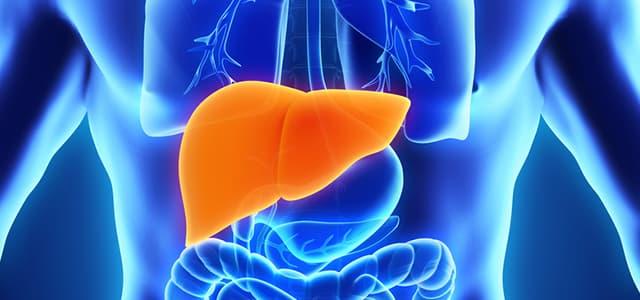
Quitting drinking can support your health in many ways, and liver repair is often one of the most noticeable changes. Even among people with alcohol use disorder who consume large amounts of alcohol for a long time, less than half develop serious liver disease. This means many people in recovery can support healing from the strain their liver has experienced and protect liver health going forward. Here are seven simple steps you can take to support your liver health after quitting drinking.
1. Exercise Regularly
Walking for about 30 minutes per day can support your immune system and may lower your risk of liver cancer. Physical activity can also help you maintain a weight that supports liver health.
Walking for about 30 minutes per day can support your immune system and may lower your risk of liver cancer.
Find The Perfect Treatment For You
Answer a few questions and we'll match you with the best options.
What Are You Struggling With?
What Kind of Care Do You Need?
What Insurance Do You Have?
2. Monitor Your Medications
Some over-the-counter medications contain acetaminophen (a common pain reliever and fever reducer), which can damage your liver in high doses or when you take multiple products with the same ingredient. NIAAA reports acetaminophen toxicity accounts for almost 50% of acute liver failure cases in North America.1 Combining medications when you're sick, such as Tylenol and Nyquil, can raise your risk of side effects. Some drug combinations can also raise the risk of an overdose.
Explore Alcohol Treatment Centers
3. Prevent Bloodborn Viruses
Hepatitis B and hepatitis C are viral infections that can damage your liver. Vaccines can help prevent hepatitis B. Condoms can lower your risk during sex, and sterile instruments can lower risk during procedures such as piercings and tattoos.














4. Maintain a Healthy Weight
Along with alcohol, obesity is a leading cause of liver disease.3 Some research suggests that having obesity and heavy alcohol use together may raise your risk more than having either risk factor alone. Since you're working toward a healthier lifestyle by quitting drinking, you may also benefit from supporting your diet and fitness.
5. Eat Well
A balanced diet can support your liver, especially when it includes many fruits and vegetables. Limiting processed foods, saturated fats, and added sugar can also support liver health.
6. Stop Smoking
Your liver processes many of the toxic chemicals in cigarettes, which can add stress and damage over time. If you're ready to quit, smoking cessation programs can offer structured support. Smoking can also speed up liver scarring in people who already have alcoholic liver disease. A 2024 nationwide cohort study found smoking increased cirrhosis incidence by 1.53 times.2
Your liver processes many of the toxic chemicals in cigarettes, which can add stress and damage over time.
7. Stop Drinking
This can feel like the most obvious step, but some people hope cutting back feels like enough. If you have alcoholic hepatitis or cirrhosis (severe liver scarring), any alcohol use can still cause more damage, even if it happens more slowly. Stopping alcohol completely may take planning, and you may benefit from medical support. For some people, total abstinence can help protect the liver and support recovery goals. Learn more about the alcohol and drug addiction recovery process.
Start Your Recovery Journey
If you’re ready to find addiction treatment for yourself or a loved one, we’re here to help. Browse top medical detox centers in the US, inpatient addiction treatment facilities, aftercare options, and more to start on the path to recovery. You can search for rehab by insurance carrier, location, amenities, and more for free. Don’t wait. Get help today.



Our Promise
How Is Recovery.com Different?
We believe everyone deserves access to accurate, unbiased information about mental health and recovery. That's why we have a comprehensive set of treatment providers and don't charge for inclusion. Any center that meets our criteria can list for free. We do not and have never accepted fees for referring someone to a particular center. Providers who advertise with us must be verified by our Research Team and we clearly mark their status as advertisers.
Our goal is to help you choose the best path for your recovery. That begins with information you can trust.