Find Treatment By
Rehabs by Location


Learn
About Us
Recovery.com combines independent research with expert guidance on addiction and mental health treatment. Our mission is to help everyone find the best path to recovery through the most comprehensive, helpful network of treatment providers worldwide.
Advisory Council
Our advisory council brings together leaders in behavioral health, technology, and business. Their diverse expertise ensures our resources and product are innovative, evidence-based, and effective. They guide our mission as accomplished individuals dedicated to improving the landscape of addiction recovery and mental wellness.
How to Relax Without Alcohol: 24 Healthy Alternatives That Actually Work




Key Takeaways
- With 27.9 million people in the U.S. affected by alcohol use disorder, finding healthy ways to unwind matters.1
- Research suggests that urges to drink are often short-lived and manageable, and having a go-to relaxation activity ready can help you ride out cravings.2
- Mind-body techniques like deep breathing and progressive muscle relaxation can activate your body's natural relaxation response and help you feel calmer without alcohol.
- Finding alcohol-free relaxation methods that you genuinely enjoy can make long-term change feel more sustainable.
Relaxing without alcohol is entirely doable through healthier and more fulfilling alternatives. From physical activities like yoga and walking to practicing mindfulness through meditation or journaling, you can find ways to unwind that truly resonate with you.
These alternatives not only reduce stress but also promote long-term well-being, proving that relaxation doesn’t have to come as a glass of wine.
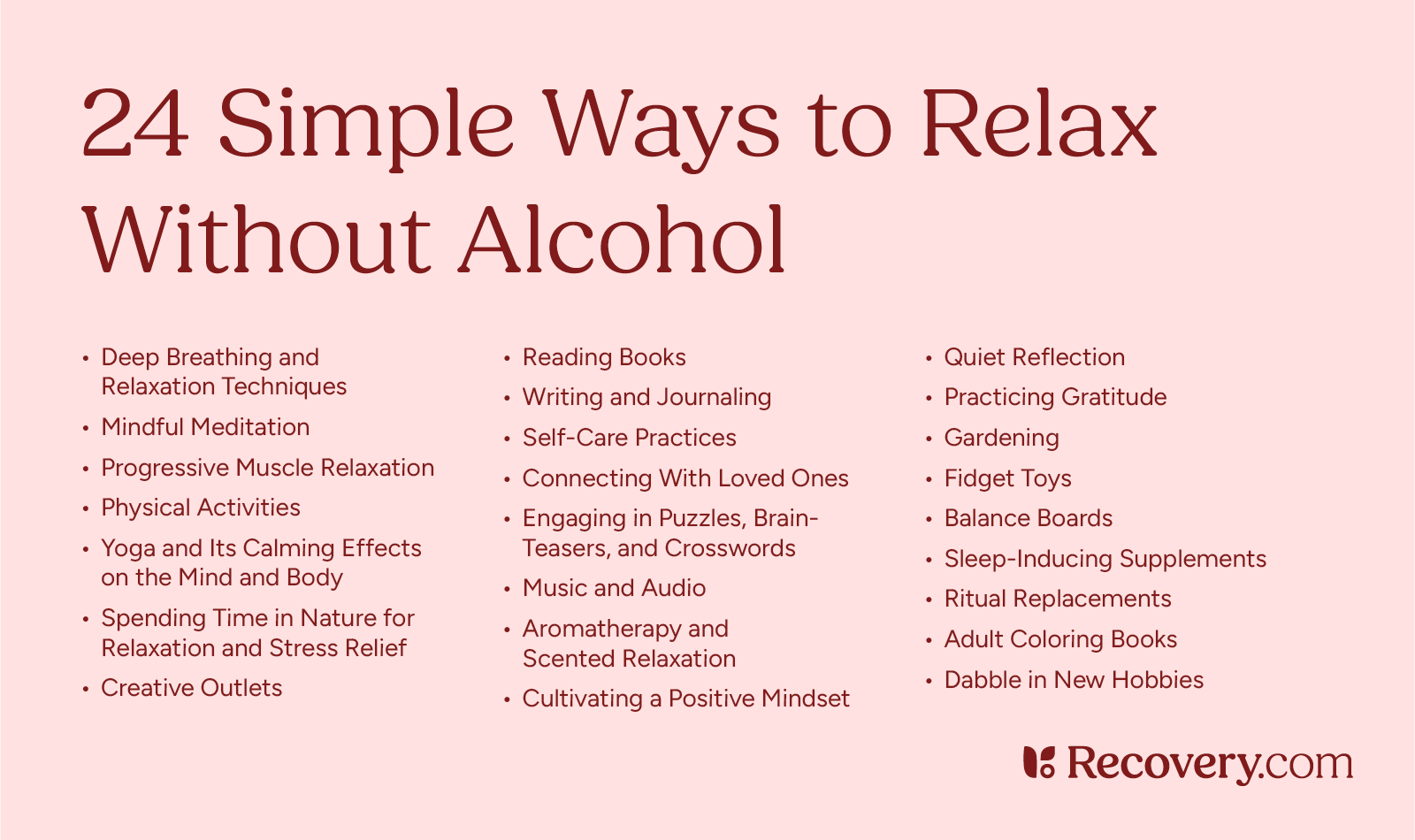
1. Deep Breathing and Relaxation Techniques
In moments of stress, breathing can help. Research links breath control with benefits for your body and mind.3
Deep breathing techniques can help your body relax. These practices can trigger your relaxation response, which can affect your physical health.4 Experts say deep breathing can help stabilize blood pressure, and may even improve immune system activity. Deep, diaphragmatic breathing—or, belly breathing—can also reduce stress and negative emotions. It may even improve your attention span.5
Here's a technique you can try:
Rest your hand on your belly as you take slow, deep breaths in and out. Notice how it feels to breathe, both in your lungs and as your breath moves your hand. Continue this exercise for as long as you like. Try to observe your experience without judgment.
Find The Perfect Treatment For You
Answer a few questions and we'll match you with the best options.
What Are You Struggling With?
What Kind of Care Do You Need?
What Insurance Do You Have?
2. Mindful Meditation
For many people, mindful meditation can support recovery from alcohol use disorder. Research suggests that regular meditation may ease depression and anxiety, support coping with cravings, and lower relapse risk.6
Mindful meditation can take many forms. For instance, you can sit quietly with your eyes closed and focus on your breath. Or you could take a more active and involved approach by going on a walk and noticing what you feel and see. Do what feels right and connected to you—whether that’s actually sitting with your thoughts or simply tuning in to what’s happening in your body.
Some people, especially if they’re new to meditation, find it helpful to use guided meditations or guided imagery. You can think of meditation as a therapeutic coping mechanism, a spiritual practice, or anything else that works for you.
Explore Alcohol Treatment Centers
3. Progressive Muscle Relaxation
You can use progressive muscle relaxation (PMR), a technique where you tense and relax muscle groups on purpose, for physical and emotional stressors.7 You can learn PMR from a trained healthcare provider, or try it on your own.
You’ll start by sitting or lying in a comfortable position. Then you’ll tense a single muscle or muscle group, bringing your attention to that area. Next, you’ll slowly release the muscle tension and notice how it makes you feel, both physically and emotionally. You can repeat this process with muscles anywhere in your body, often starting from your toes and working up to your head.
PMR sessions normally last 10–15 minutes.7
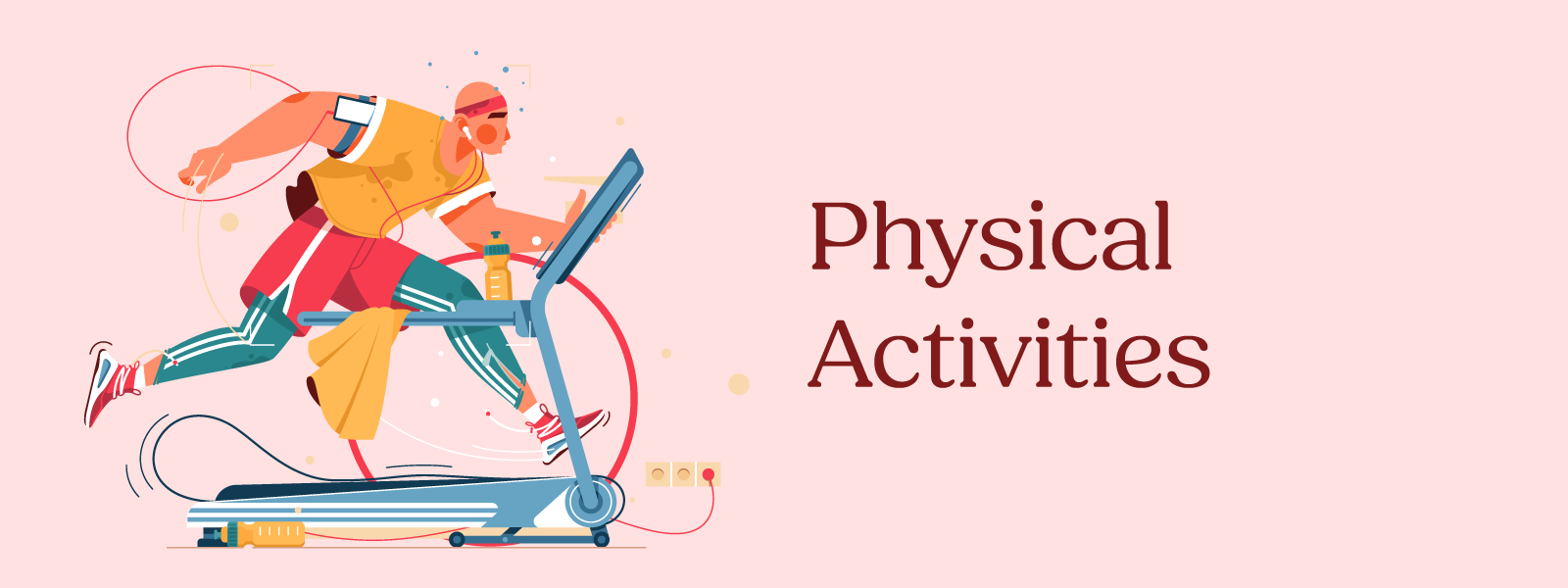














4. Physical Activities
Alcoholic beverages have an undeniable calming effect that can feel like wellness—for a bit. Physical activities can do the same and actually contribute to and improve your wellbeing. Any type of aerobic exercise, like walking or running, reduces alcohol cravings.8 Just moving your body and increasing heart rate can make a big difference at the end of a long day when you want quick relief.
Working out can also help over longer periods of time. Some data shows that the more you exercise, the less you’ll crave alcohol or drugs.9 That’s partly because exercise can increase dopamine.
Dopamine is a naturally occurring chemical messenger that supports motivation, reward, and a sense of accomplishment. Alcohol use disorder can affect dopamine, and supporting healthy dopamine function can be part of recovery.10 Exercise also releases endorphins that can boost your mood and provide a sense of calm and accomplishment, too. A 2024 meta-analysis of 17 trials found that regular exercise can support both physical health and mental well-being for people with alcohol use disorder.11
5. Yoga
A growing body of research shows that yoga can help with addiction recovery.12 Many rehab centers offer yoga in their treatment programs because of this, and you can easily find classes in most areas or online.
Yoga can promote relaxation and support your physical health. One review notes that "yoga and meditation practices exert positive influence on addictive behaviors."13
While doing yoga, you can also combine deep breathing skills with exercises like 4-7-8 breathing. Practice with this clip!
6: Fidget Spinners
When energy builds up and demands an outlet, you can reach for something as simple as a fidget spinner, slime, or other fidget toy to release tension and free your mind. It may seem like a small thing, but keeping your hands busy and your mind connected to the present moment can be huge when you need just enough relief to get to the end of the day.
Keeping a few fidget toys in your purse or pocket can make them easier to reach for when you feel stressed. Some fidget toys offer sensory input through pressure or texture, like bumpy rings or thick dough you can knead, which may help you unwind.
7: Balance Boards
Using a balance board, like an Indo Board, requires focus and attention, which can help you destress by giving your brain and body a fun distraction. Balance boards also build coordination and control, similar to surfing or skateboarding.
Incorporating balance boards into your daily routine, or taking it out each time you feel the urge to drink or need stress relief, can become an enjoyable part of your recovery journey.
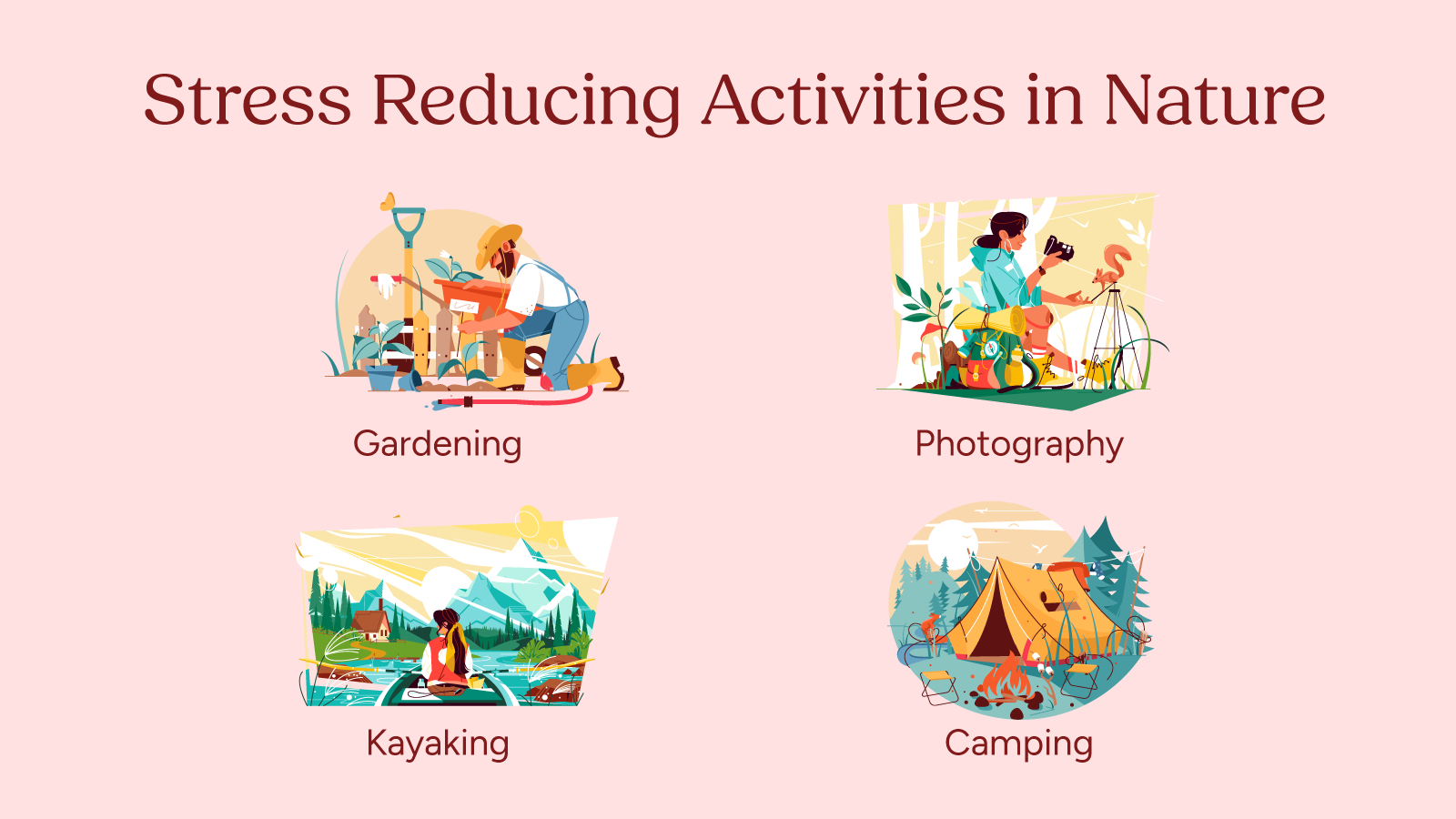
8. Spending Time in Nature
Spending time in nature can have several mental health benefits, including:14
- Reduces negative feelings
- Increases positive emotions
- Decreases impulsivity
- Improves physical health
- Lowers anxiety and depressive symptoms
- Reduces stress levels
- May reduce alcohol and drug cravings
And when it comes to relaxing without alcohol consumption, going outside has been found to not only be relaxing but have proven benefits for alcohol addiction recovery.14 It’s a great way to connect with other people, too. For example, you could go camping with friends or join a local hiking group.
9. Creative Outlets
Artistic pursuits like painting, drawing, or crafting can feel therapeutic. They also serve as an emotional outlet, which can be crucial for those in recovery from alcohol use disorder.
Creativity can reduce stress, ease anxiety, and support well-being.15 Some research also links creative activities with improvements in physical symptoms like chronic pain, fatigue, and sleep problems.15
10. Reading Books
Reading is more creative than it looks. You’re imagining whole new worlds, images, and people. You’re connecting dots and trying to think of what will happen next. You can bond with characters too, seeing yourself in them or who you want to be.
Experts at the National Alliance on Mental Illness (NAMI) describe reading as "a healthy escape."16 It lets you take a break from the stress of daily life without the negative effects of alcohol. Reading can also enrich your inner world, exposing you to new ideas and perspectives. By practicing this coping strategy, you can learn new ones at the same time.
11. Writing and Journaling
Writing, especially journaling about your life, can help you process thoughts and feelings. Research suggests that writing may support recovery for people with alcohol addiction.17 Specifically, it can boost your self-confidence and stimulate new brain activity. If you join a writing group, it can also help you connect with other people.
Writing is also accessible to anyone with a phone with a Notes app or a pen. Unlike painting or crafting, you don’t need to invest in any specialized supplies. You can explore your inner world simply and with privacy. And if you ever want to, there are also plenty of ways to share your writing with the world.
12. Self-Care Practices
Simple activities, like taking a relaxing Epsom salt bath or painting your nails, can make a difference. These practices can help you show yourself kindness. They can also feel relaxing, satisfying, and fun.
Self-care can also include therapy or eating well. For many people in recovery, these activities feel like a steady part of daily life. Once you find strategies that work for you, you can look for ways to build them into your daily routine.
13. Connecting With Loved Ones
Spending quality time with your friends and family is hugely important during addiction recovery. Data shows that positive relationships can help people reach long-term abstinence or stable recovery from substance use.18
Friends and family can offer emotional support through different stages of recovery. You can also ask them to join you in sober activities. If your loved ones enjoy a certain hobby, you might enjoy it, too.
14. Puzzles, Brain-Teasers, and Crosswords
Puzzles and mind games can be a great way to get out of your head and into a more relaxed, meditative state. One study suggests that puzzles and similar activities can support brain changes that may reduce interest in alcohol or drugs.19
Puzzles and brain-teasers are easy to find. You can play sudoku online, download an app like Tetris, or do a crossword puzzle. These games can keep your mind engaged, helping you relax while you enjoy a simple challenge.
15. Music and Audio
Music is a powerful tool for regulating your feelings. Research shows that listening to music activates the limbic system, which is the part of your brain involved in emotion and memory.20 Different types of music can affect your mood in different ways, depending on the tempo, volume, and genre.
As you learn how to relax without alcohol, you can explore different types of music to see what works for you. Instrumental pieces or nature sounds might help you unwind. You might also enjoy podcasts or audiobooks.
16. Aromatherapy and Scented Relaxation
It's no secret that alcohol can be addictive. That's partly because drinking can affect your senses, including your emotional responses to them.
Engaging your sense of smell can help you create a soothing environment. You could take a bath with essential oils, light a scented candle, or put a diffuser on your desk at work.
Various scents also have unique emotional effects. For example, research suggests that lavender may reduce anxiety.21
17. Picking Out Positives
Finding positives in a situation can serve as a sort of meditation, and improve your mood. It doesn’t mean invalidating your feelings or casting unjust or damaging experiences in a positive light so they’re easier to deal with. It’s finding the good where you can.
When you start treatment, looking on the bright side may take practice. As you heal, your confidence may grow. Therapy can also help you notice and shift negative thought patterns. Over time, this can make it easier to stay focused on recovery22.
18. Quiet Reflection
This coping strategy is a lot like meditation, but it can be more accessible for those who either don’t like to meditate, or for situations where it’s not practical.
Quietly reflecting on your own life helps you put recent events in perspective. Consider how far you’ve come in your recovery journey. What coping strategies are currently working for you, and what could use an update?
Try letting your mind wander for a set period of time—like 10 minutes, or for however long it takes you to wash the dishes. Take notes on any revelations so you can share them with your therapist. Then, bring yourself back to the present moment.
19. Practicing Gratitude
In some stages of recovery, gratitude may help you sustain abstinence.24 Research links gratitude practices with higher satisfaction, optimism, and hope. It may also support sleep and reduce depressive symptoms.24,25
There's a caveat, though. Research also suggests that if you're still drinking heavily and you feel unsure about changing, gratitude exercises may not support recovery in the same way.24 One study notes that "if the client does not want to change or is ambivalent about change, a gratitude practice might affirm what is good in life while currently drinking."24
When you're in treatment, writing about gratitude may feel helpful. This practice can help you focus on positive experiences and put more energy into what brings you joy. It might also help you connect with other people, especially if you choose to share your writing.
20. Gardening
Gardening can support mental health and may reduce symptoms of depression and anxiety.26 It may also help you cope with stress and fatigue. Because stress can raise relapse risk, stress relief matters even more during recovery.27
Caring for plants can also give you a sense of accomplishment, especially when the time comes to eat what you’ve grown. And if you join a community garden, gardening becomes a social tool too.
21: Sleep-Inducing Supplements
Though alcohol can make you feel sleepy for a bit, it actually prevents you from getting good sleep.28 Healthier alternatives, like sleep supplements, can improve how much you sleep and the quality of it.
Supplements for sleep include melatonin, ashwagandha, valerian root, and magnesium, plus many others. Checking with your doctor can help you avoid interactions with medications and can help you account for any health conditions you have.
These natural ways to relax typically aren’t addictive or harmful, meaning you can take them as long as you need.
22: Ritual Replacements
Preparing and drinking an alcoholic drink at night can feel comforting, similar to a morning coffee routine. But you don’t have to lose the routine. Try replacing alcohol with a non-alcoholic drink, like tea, juices, or a snack.
If you live with someone else, they might want to join your new ritual, too. This can function simultaneously as check-in time with a loved one.
These are just some of the options you can try, adapting flavors and recipes to your preferences:
- Sparkling waters, with add-ins like fruit, herbs, or liquid water enhancers
- Tea, including relaxing blends with chamomile
- Hot chocolate
- Kombucha
- Tart fruit juices, like cranberry or pomegranate juice, that can mimic some flavors people associate with wine
- Non-caffeinated sodas
- Mocktails with familiar flavors, but without alcohol. You can also buy pre-made mocktails or 0-proof spirits.
23: Adult Coloring Books
Coloring books aren’t just for kids anymore. People of all ages can benefit from the relaxing, de-stressing qualities of coloring. Adult coloring books vary from children’s in that they’re a little more complex in their designs, and with shapes and scenes adults would find more appealing. When you’re done you can even frame the piece.
Coloring doesn't require advanced art skills. Simply buy a pack of markers or crayons and start filling in the lines.
24: Dabble in New Hobbies
Try as many new hobbies as you can to give yourself a collection of calming activities to alter between. Some may be more relaxing, like knitting, or require more focus and attention, like building Legos or model airplane sets. Switching between hobbies and having multiple to choose from can alleviate both boredom and stress.
Here are a few hobbies you can try to relax and wind down:
- Crocheting blankets, washcloths, or stuffed animals
- Deep cleaning
- Pottery, like making plates, mugs, bowls, or decorations
- Jewelry making
- Metal detecting (this can also help you spend more time in nature)
- Upcycling thrifted clothes
- Embroidery
- Arranging and pressing flowers
These 24 options are just some of the ways to relax without drinking. The important thing is to choose activities that resonate with you, whether it’s on this list or not. When you genuinely enjoy what you’re doing, these practices can feel more enduring and like more of a genuine help than a distraction.
Start Your Recovery Journey
Use Recovery.com to find alcohol addiction treatment, compare your options, and connect directly with treatment providers that meet your needs. You can also browse top medical detox centers in the US, inpatient addiction treatment facilities, aftercare options, and more to start on the path to recovery.
FAQs
You can relax without alcohol in many ways, including deep breathing, mindful meditation, progressive muscle relaxation, physical activities, yoga, spending time in nature, and creative outlets like art and writing.
Creative activities like painting, drawing, crafting, reading, and writing can offer an outlet for emotions and stress. They can support well-being and may help you shift your focus away from alcohol.
Alcohol cravings can be short-lived, and some people notice them pass within 15 to 30 minutes. According to NIAAA, urges to drink are manageable, and having a go-to activity ready can help you ride out the craving until it passes.28 Options can include deep breathing, going for a walk, or calling a supportive friend.



Our Promise
How Is Recovery.com Different?
We believe everyone deserves access to accurate, unbiased information about mental health and recovery. That's why we have a comprehensive set of treatment providers and don't charge for inclusion. Any center that meets our criteria can list for free. We do not and have never accepted fees for referring someone to a particular center. Providers who advertise with us must be verified by our Research Team and we clearly mark their status as advertisers.
Our goal is to help you choose the best path for your recovery. That begins with information you can trust.