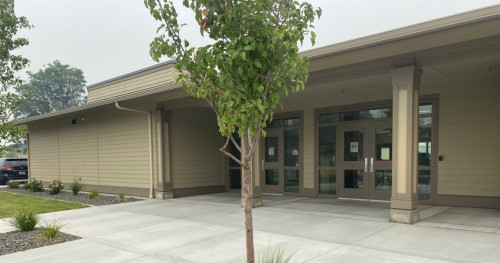
Triumph Treatment Beth's Place
Treatment Focus
This center treats substance use disorders and co-occurring mental health conditions. Your treatment plan addresses each condition at once with personalized, compassionate care for comprehensive healing.
Primary Level of Care
Offering intensive care with 24/7 monitoring, residential treatment is typically 30 days and can cover multiple levels of care. Length can range from 14 to 90 days typically.
Claimed
Recovery.com has connected directly with this treatment provider to validate the information in their profile.
Treatment Focus
This center treats substance use disorders and co-occurring mental health conditions. Your treatment plan addresses each condition at once with personalized, compassionate care for comprehensive healing.
Primary Level of Care
Offering intensive care with 24/7 monitoring, residential treatment is typically 30 days and can cover multiple levels of care. Length can range from 14 to 90 days typically.
Provider's Policy
The Triumph admissions team will work with you to explore the right payment options based on your needs, ensuring you get the best possible treatment. Along with the listed insurance providers above, triumph also works with Community Health Plan of Washington, Wellpoint, Coordinated Care, CHPW Cascade Select, and First Choice.
Triumph Treatment Beth's Place
About Triumph Treatment Beth's Place
Triumph Treatment Services is a nonprofit organization based in Yakima, Washington, that focuses on behavioral health and substance use disorder treatment. Beth's Place, also referred to as Inspirations, is their women’s intensive inpatient treatment program where they provide a structured, supportive environment for recovery. This program reflects the organization’s long-standing commitment to helping women overcome addiction and achieve long-term sobriety.
Find Support Tailored to Women's Unique Needs
Inspirations offers substance use disorder counseling, healthcare support, and recovery services specifically designed for women. The program includes both individual and group therapy, relapse prevention counseling, and co-occurring mental health care. Residents live in dorm-style settings that foster a sense of community.
Discover a Trusted Community Resource
Triumph has operated the Inspirations program for more than a decade, serving nearly two thousand women through its treatment and transitional housing initiatives. The organization is expanding the facility to increase its capacity. This expansion addresses the growing demand for treatment options in Washington State and reinforces Triumph’s mission to provide comprehensive, compassionate care for women working toward recovery and stability.
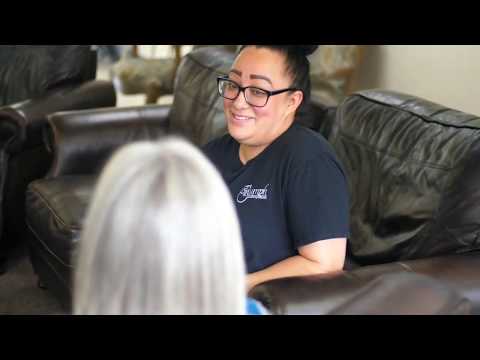
Center Overview

Treatment Focus
This center treats substance use disorders and co-occurring mental health conditions. Your treatment plan addresses each condition at once with personalized, compassionate care for comprehensive healing.
Insurance Accepted
Cash Pay Rates
Estimated Cash Pay Rate
Center pricing can vary based on program and length of stay. Contact the center for more information. Recovery.com strives for price transparency so you can make an informed decision.
Levels of Care
Your Care Options
Specializations
Intensive Inpatient
The highest level of care, medically managed intensive inpatient services provides 24-hour nursing and physician care.
Alcohol
Using alcohol as a coping mechanism, or drinking excessively throughout the week, signals an alcohol use disorder.
Drug Addiction
Drug addiction is the excessive and repetitive use of substances, despite harmful consequences to a person's life, health, and relationships.
Who We Treat
Pregnant Women
Addiction and mental health treatment meets the clinical and psychological needs of pregnant women, ensuring they receive optimal care in all areas.
Women only
Women attend treatment in a gender-specific facility, with treatment delivered in a safe, nourishing, and supportive environment for greater comfort.
Approaches
Evidence-Based
A combination of scientifically rooted therapies and treatments make up evidence-based care, defined by their measured and proven results.
Gender-Specific
Separate treatment for men or women can create strong peer connections and remove barriers related to trauma, shame, and gender-specific nuances.
Personalized Treatment
The specific needs, histories, and conditions of individual patients receive personalized, highly relevant care throughout their recovery journey.
Therapies
1-on-1 Counseling
Patient and therapist meet 1-on-1 to work through difficult emotions and behavioral challenges in a personal, private setting.
Group Therapy
Group therapy brings people together in a supportive setting to share experiences, develop skills, and work toward common goals.
Life Skills
Teaching life skills like cooking, cleaning, clear communication, and even basic math provides a strong foundation for continued recovery.
Psychoeducation
This method combines treatment with education, teaching patients about different paths toward recovery. This empowers them to make more effective decisions.
Relapse Prevention Counseling
Relapse prevention counselors teach patients to recognize the signs of relapse and reduce their risk.
Languages
Conditions We Treat
Anxiety
Anxiety is a common mental health condition that can include excessive worry, panic attacks, physical tension, and increased blood pressure.
Bipolar
This mental health condition is characterized by extreme mood swings between depression, mania, and remission.
Depression
Symptoms of depression may include fatigue, a sense of numbness, and loss of interest in activities. This condition can range from mild to severe.
Perinatal Mental Health
Perinatal mental health refers to emotional and psychological well-being during pregnancy and the first year after childbirth.
Substances We Treat
Alcohol
Using alcohol as a coping mechanism, or drinking excessively throughout the week, signals an alcohol use disorder.
Benzodiazepines
Benzodiazepines are prescribed to treat anxiety, insomnia, and seizures. They can be habit-forming and may cause drowsiness, memory problems, and dependence.
Co-Occurring Disorders
A person with multiple mental health diagnoses, such as addiction and depression, has co-occurring disorders also called dual diagnosis.
Drug Addiction
Drug addiction is the excessive and repetitive use of substances, despite harmful consequences to a person's life, health, and relationships.
Heroin
Heroin is a highly addictive opioid that produces feelings of euphoria and relaxation. Its use carries serious risks, including overdose and dependence.
Ketamine
Ketamine is a dissociative drug used medically for anesthesia and some mental health conditions. Misuse can affect memory, perception, and physical health.
Methamphetamine
Methamphetamine is a powerful stimulant that increases energy and alertness. Repeated use can lead to addiction and significant physical and mental health risks.
Nicotine
Nicotine is a highly addictive substance found in tobacco products and many vapes. It affects the brain, mood, and cardiovascular system. Treatment can help you stop using nicotine.
Opioids
Opioids produce pain-relief and euphoria, which can lead to addiction. This class of drugs includes prescribed medication and the illegal drug heroin.
Care Designed for Your Needs
Personal Amenities
Amenities
Special Considerations
Gender-specific groups
Patients in gender-specific groups gain the opportunity to discuss challenges unique to their gender in a comfortable, safe setting conducive to healing.