All CentersThe Lakes Behavioral Health

The Lakes Behavioral Health

Verified Center

This provider's information has been quality-checked by Recovery.com's Research Team for accuracy and completeness, including center verification through appropriate third-party organizations.

Substance Use and Mental Health

Treatment Focus

This center treats substance use disorders and mental health conditions. You'll receive individualized care catered to your unique situation and diagnosis, learn practical skills for recovery, and make new connections in a restorative environment.

Treatment and Housing

Primary Level of Care

Insurance

Provider's Policy

The Lakes partners with a wide range of health insurance providers on an out-of-network basis to ease the financial burden of rehab. Our team will work with your insurance provider to determine which services qualify for coverage and minimize your out-of-pocket expenses.

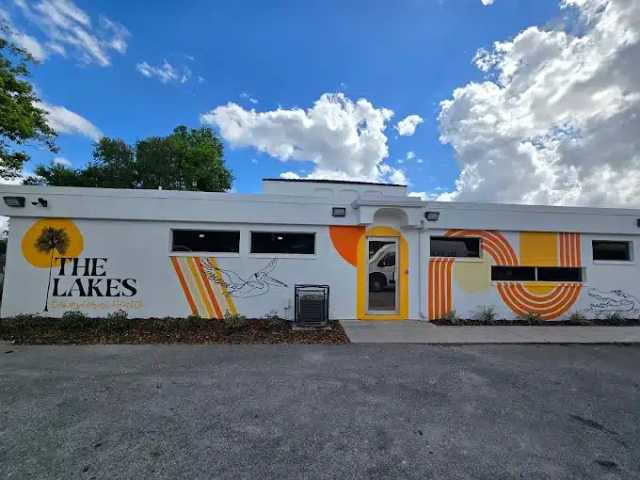
The Lakes Behavioral Health provides flexible, real-world recovery for clients with substance use and co-occurring mental health disorders at its boutique outpatient center. Their small staff-to-client ratio allows them to build treatment plans specifically for each client, focused on building strengths, resilience, and optimism. The facility’s peaceful interiors and convenient access to major cities like Tampa and Orlando help treatment feel like a natural extension of daily life.

Take a Positive, Strengths-Based Approach

The Lakes combines clinical, experiential, and holistic methods to address not just addiction, but mind, body, and spirit. Cognitive behavioral therapy (CBT) teaches healthier ways to respond to triggers and manage cravings. Dialectical behavior therapy (DBT) teaches mindfulness, distress tolerance, and emotional regulation skills. Eye movement desensitization and reprocessing (EMDR) helps process painful memories safely, reducing emotional intensity and the risk of relapse. Yoga, meditation, and art therapy help clients reconnect with their bodies and emotions, supporting overall wellness.

Choose the Right Pace

The Lakes offers partial hospitalization (PHP) and intensive outpatient (IOP) programs complemented by nearby supportive housing for added convenience and accountability. PHP is ideal for clients who need focused, hands-on support most days. Each 5–6-hour day includes individual and group therapy, psychiatric care, and holistic practices. Clients in IOP are able to continue managing daily work and family responsibilities, typically attending sessions a few days a week, for a few hours each day.

Prepare for Long-Term Recovery

After completing treatment, clients aren’t left on their own. Many who graduate from PHP continue care through The Lakes’ IOP or outpatient programs to keep building on the progress they’ve made. The Lakes also helps clients create an aftercare plan that may include community support groups, therapy, and relapse-prevention strategies to help them stay grounded in recovery.

Highlights from the Center

Highlights

These highlights are provided by and paid for by the center.

  • Customized Treatment Plans

  • Holistic Approach

  • Trauma Treatment

AT A GLANCE

Center Overview

Location
420 W Magnolia St, Lakeland, FL 33815 View Map
Part of
Primary Focus
This center treats substance use disorders and mental health conditions....

Treatment Focus

This center treats substance use disorders and mental health conditions. You'll receive individualized care catered to your unique situation and diagnosis, learn practical skills for recovery, and make new connections in a restorative environment.

Typical Program Length
2-6 months
Conditions We Treat
ADHD, ADD, Anxiety, Bipolar, Burnout +8 More
Substance Use We Treat
Alcohol, Benzodiazepines, Co-Occurring Disorders, Cocaine +8 More
How to pay

Insurance Accepted

United Healthcare
Aetna
Cigna
Humana
Optum
Provider's Policy: The Lakes partners with a wide range of health insurance providers on an out-of-network basis to ease the financial burden of rehab. Our team will work with your insurance provider to determine which services qualify for coverage and minimize your out-of-pocket expenses.
Verify Insurance
Treat Addiction and Mental Health Under One Roof
The Lakes offers treatment for a wide range of co-occurring mental health disorders. They provide each client with an integrated care plan that addresses both substance use and underlying mental health concerns through individual and group therapy, psychiatry services, and holistic wellness.
Rebuild Trust and Communication with Family Therapy
At The Lakes, family therapy provides a way to reconnect the family, understand what has occurred, and move forward as a stronger unit. The goal is to provide the family with a safe atmosphere in which to communicate, learn new coping strategies, and rebuild relationships that substance use or mental health issues may have strained.
Focus on Healing in Restorative Surroundings
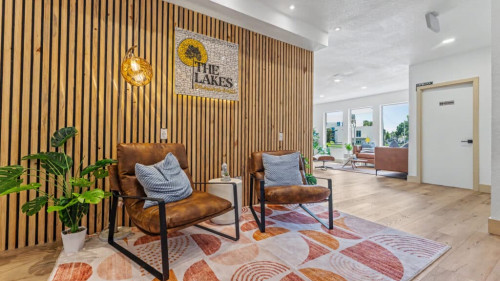
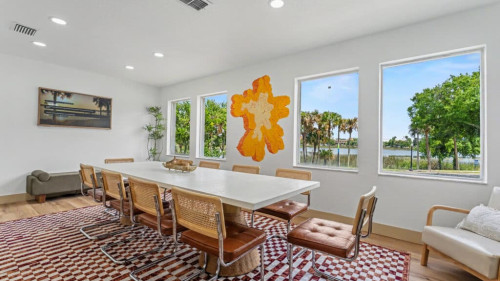
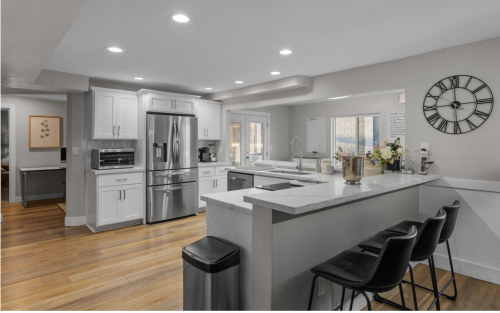
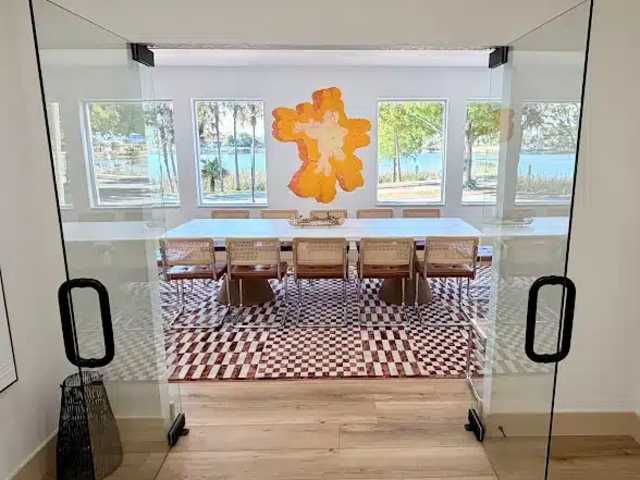
The Lakes’ building design creates an environment that supports concentration, relaxation, and safety. With modern interiors, natural light, and soft materials, the serene atmosphere features private areas to protect confidentiality, together with communal spaces that encourage social connection. The neighborhood also provides a sense of normalcy with nearby coffee shops, casual dining, and local parks.
Make Sense of Medication Options
The Lakes offers medication management to make this part of recovery less confusing and more hopeful. Whether using medication to manage cravings, ease withdrawal symptoms, or stabilize mental health, The Lakes’ medical providers educate clients about available medications, how to safely use them, and how to integrate them with therapy.

Recovery.com Verified Listing

Recovery.com verified that the name, location, contact information and license to operate for this treatment provider are valid and up-to-date.

Licensed by Florida DCF

Licensed by Florida DCF

Recovery.com is an independent, third-party mental health resource. Verification does not imply endorsement and does not guarantee the quality of treatment services.

Staff

Meet Your Care Team

Cory Bickham

Cory Bickham

Director

Liz Hall

Liz Hall

Clinical Leader

Dr. Lisa Donovan

Dr. Lisa Donovan

Clinical Advisor

MD

Treatment

Your Care Options

Specializations

Alcohol

Alcohol

Using alcohol as a coping mechanism, or drinking excessively throughout the week, signals an alcohol use disorder.

Anxiety

Anxiety

Anxiety is a common mental health condition that can include excessive worry, panic attacks, physical tension, and increased blood pressure.

Benzodiazepines

Benzodiazepines

Benzodiazepines are prescribed to treat anxiety, insomnia, and seizures. They can be habit-forming and may cause drowsiness, memory problems, and dependence.

Co-Occurring Disorders

Co-Occurring Disorders

A person with multiple mental health diagnoses, such as addiction and depression, has co-occurring disorders also called dual diagnosis.

Depression

Depression

Symptoms of depression may include fatigue, a sense of numbness, and loss of interest in activities. This condition can range from mild to severe.

Family Therapy

Family Therapy

Family therapy addresses group dynamics within a family system, with a focus on improving communication and interrupting unhealthy relationship patterns.

Opioids

Opioids

Opioids produce pain-relief and euphoria, which can lead to addiction. This class of drugs includes prescribed medication and the illegal drug heroin.

Trauma

Trauma

Some traumatic events are so disturbing that they cause long-term mental health problems. Those ongoing issues can also be referred to as "trauma."

Who We Treat

Men
Women
Men and Women

Men and Women

Men and women attend treatment for addiction in a co-ed setting, going to therapy groups together to share experiences, struggles, and successes.

Pregnant Women

Pregnant Women

Addiction and mental health treatment meets the clinical and psychological needs of pregnant women, ensuring they receive optimal care in all areas.

Treatment Services

Day Treatment

Day Treatment

Also commonly called PHP, patients may live at home or in a recovery residence while following an intensive treatment program. Most have a weekly schedule of M–F and 4 to 6 hours per day.

Intensive Outpatient Program

Intensive Outpatient Program

In an IOP, patients live at home or a sober living, but attend treatment typically 9-15 hours a week. Most programs include talk therapy, support groups, and other methods.

Approaches

Evidence-Based

Evidence-Based

A combination of scientifically rooted therapies and treatments make up evidence-based care, defined by their measured and proven results.

Holistic

Holistic

A non-medicinal, wellness-focused approach that aims to align the mind, body, and spirit for deep and lasting healing.

Personalized Treatment

Personalized Treatment

The specific needs, histories, and conditions of individual patients receive personalized, highly relevant care throughout their recovery journey.

Strengths-Based

Strengths-Based

Providers using a strengths-based philosophy focus on the positive traits of their patients, creating a positive feedback loop that grows confidence.

Therapies

1-on-1 Counseling

1-on-1 Counseling

Patient and therapist meet 1-on-1 to work through difficult emotions and behavioral challenges in a personal, private setting.

Art Therapy

Art Therapy

Visual art invites patients to examine the emotions within their work, focusing on the process of creativity and its gentle therapeutic power.

Cognitive Behavioral Therapy
Dialectical Behavior Therapy
Experiential Therapy

Experiential Therapy

With this approach, patients heal by doing. Therapists help patients process difficult emotions to speak, using guided activities like art or dance.

Eye Movement Therapy (EMDR)

Eye Movement Therapy (EMDR)

Lateral, guided eye movements help reduce the emotional reactions of retelling and reprocessing trauma, allowing intense feelings to dissipate.

Family Therapy

Family Therapy

Family therapy addresses group dynamics within a family system, with a focus on improving communication and interrupting unhealthy relationship patterns.

Group Therapy
Life Skills

Life Skills

Teaching life skills like cooking, cleaning, clear communication, and even basic math provides a strong foundation for continued recovery.

Languages

English

Conditions We Treat

ADHD, ADD

ADHD, ADD

ADD and ADHD are neurodevelopmental conditions that affect attention, focus, organization, and impulse control, often impacting daily life, school, work, and relationships.

Anxiety

Anxiety

Anxiety is a common mental health condition that can include excessive worry, panic attacks, physical tension, and increased blood pressure.

Bipolar

Bipolar

This mental health condition is characterized by extreme mood swings between depression, mania, and remission.

Burnout

Burnout

Burnout entails mental and physical exhaustion, and leads to a severe lack of fulfillment. This condition is often caused by overwork.

Depression

Depression

Symptoms of depression may include fatigue, a sense of numbness, and loss of interest in activities. This condition can range from mild to severe.

Grief and Loss

Grief and Loss

Grief is a natural reaction to loss, but severe grief can interfere with your ability to function. You can get treatment for this condition.

Obsessive Compulsive Disorder (OCD)

Obsessive Compulsive Disorder (OCD)

OCD is characterized by intrusive and distressing thoughts that drive repetitive behaviors. This pattern disrupts daily life and relationships.

Perinatal Mental Health

Perinatal Mental Health

Perinatal mental health refers to emotional and psychological well-being during pregnancy and the first year after childbirth.

Personality Disorders

Personality Disorders

Personality disorders destabilize the way a person thinks, feels, and behaves. If untreated, they can undermine relationships and lead to severe distress.

Substances We Treat

Alcohol

Alcohol

Using alcohol as a coping mechanism, or drinking excessively throughout the week, signals an alcohol use disorder.

Benzodiazepines

Benzodiazepines

Benzodiazepines are prescribed to treat anxiety, insomnia, and seizures. They can be habit-forming and may cause drowsiness, memory problems, and dependence.

Co-Occurring Disorders

Co-Occurring Disorders

A person with multiple mental health diagnoses, such as addiction and depression, has co-occurring disorders also called dual diagnosis.

Cocaine

Cocaine

Cocaine is a stimulant with euphoric effects. Agitation, muscle ticks, psychosis, and heart issues are common symptoms of cocaine use.

Drug Addiction

Drug Addiction

Drug addiction is the excessive and repetitive use of substances, despite harmful consequences to a person's life, health, and relationships.

Heroin

Heroin

Heroin is a highly addictive opioid that produces feelings of euphoria and relaxation. Its use carries serious risks, including overdose and dependence.

Marijuana

Marijuana

Marijuana is a psychoactive substance derived from cannabis. It can affect mood, memory, coordination, and perception, with varying effects between individuals.

Methamphetamine

Methamphetamine

Methamphetamine is a powerful stimulant that increases energy and alertness. Repeated use can lead to addiction and significant physical and mental health risks.

Opioids

Opioids

Opioids produce pain-relief and euphoria, which can lead to addiction. This class of drugs includes prescribed medication and the illegal drug heroin.

Frequently Asked Questions

Further Research

The following therapies are included: group therapy, 1-on-1 counseling and more.
Lakeland, Florida, United States.
The Lakes partners with a wide range of health insurance providers on an out-of-network basis to ease the financial burden of rehab. Our team will work with your insurance provider to determine which services qualify for coverage and minimize your out-of-pocket expenses.
The typical length is 2-6 months.
The Lakes Behavioral Health provides day treatment, intensive outpatient program and more.