Find Treatment By
Rehabs by Location


Find Treatment By
Learn
About Us
Recovery.com combines independent research with expert guidance on addiction and mental health treatment. Our mission is to help everyone find the best path to recovery through the most comprehensive, helpful network of treatment providers worldwide.
Advisory Council
Our advisory council brings together leaders in behavioral health, technology, and business. Their diverse expertise ensures our resources and product are innovative, evidence-based, and effective. They guide our mission as accomplished individuals dedicated to improving the landscape of addiction recovery and mental wellness.


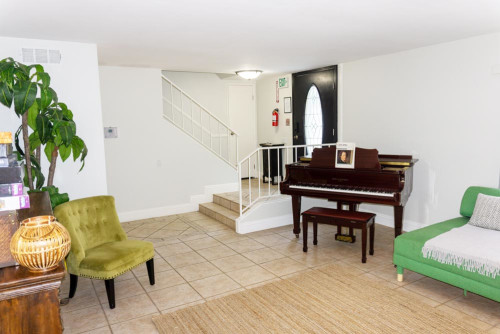

Sanctuary of Transformations
Treatment Focus
This center treats substance use disorders and co-occurring mental health conditions. Your treatment plan addresses each condition at once with personalized, compassionate care for comprehensive healing.
Primary Level of Care
Offering intensive care with 24/7 monitoring, residential treatment is typically 30 days and can cover multiple levels of care. Length can range from 14 to 90 days typically.
This provider hasn't verified their profile's information. Are you the owner of this center? Claim your listing to better manage your presence on Recovery.com.
Treatment Focus
This center treats substance use disorders and co-occurring mental health conditions. Your treatment plan addresses each condition at once with personalized, compassionate care for comprehensive healing.
Primary Level of Care
Offering intensive care with 24/7 monitoring, residential treatment is typically 30 days and can cover multiple levels of care. Length can range from 14 to 90 days typically.
Provider's Policy
Sanctuary of Transformations accepts most major insurances.
Sanctuary of Transformations
Sanctuary of Transformations
About Sanctuary of Transformations
Sanctuary of Transformations offers medically-monitored acute and sub-acute detox and residential treatment for addiction and co-occurring disorders. Treatment programs combine evidence-based therapies, like cognitive behavioral therapy (CBT) and dialectical behavioral therapy (DBT), with holistic alternative therapies, including mindfulness, meditation, nature therapy, sound therapy, nutrition therapy, art therapy, and yoga. Sanctuary of Transformations programs involve individual, group, and family therapy, and contain a spiritual component in line with the 12-Step methodology. Topics covered in peer group support sessions include coping skills, life skills, relapse prevention, and psychoeducation.
Mindfulness-Based Relapse Prevention (MBRP)
MBRP for substance use, an 8-week, group-based program, integrates traditional CBT relapse prevention strategies with meditation, mindfulness, and intentional movement. MBRP can help patients learn to tolerate uncomfortable sensations and cravings.
Sanctuary of Transformations is Joint Commission accredited and accepts most major insurances.
Center Overview
Treatment Focus
This center treats substance use disorders and co-occurring mental health conditions. Your treatment plan addresses each condition at once with personalized, compassionate care for comprehensive healing.
Joint Commission Accredited
The Joint Commission accreditation is a voluntary, objective process that evaluates and accredits healthcare organizations (like treatment centers) based on performance standards designed to improve quality and safety for patients. To be accredited means the treatment center has been found to meet the Commission's standards for quality and safety in patient care.
Insurance Accepted



Pricing and Program Length
Estimated Center Costs
Center pricing can vary based on program and length of stay. Contact the center for more information. Recovery.com strives for price transparency so you can make an informed decision.
Levels of Care


Your Care Options
Specializations
Spiritual Emphasis
Spirituality connects patients to a higher power and helps strengthen their recovery, hope, and compliance with other treatment modalities.
Alcohol
Using alcohol as a coping mechanism, or drinking excessively throughout the week, signals an alcohol use disorder.
Co-Occurring Disorders
A person with multiple mental health diagnoses, such as addiction and depression, has co-occurring disorders also called dual diagnosis.
Drug Addiction
Drug addiction is the excessive and repetitive use of substances, despite harmful consequences to a person's life, health, and relationships.
Holistic
A non-medicinal, wellness-focused approach that aims to align the mind, body, and spirit for deep and lasting healing.
Who We Treat
Men and Women
Men and women attend treatment for addiction in a co-ed setting, going to therapy groups together to share experiences, struggles, and successes.
Approaches
Family Involvement
Providers involve family in the treatment of their loved one through family therapy, visits, or both–because addiction is a family disease.
Holistic
A non-medicinal, wellness-focused approach that aims to align the mind, body, and spirit for deep and lasting healing.
Individual Treatment
Individual care meets the needs of each patient, using personalized treatment to provide them the most relevant care and greatest chance of success.
Naturopathy
Natural remedies like nutrition management and acupuncture help relieve withdrawal symptoms and help patients maintain sobriety without medications.
Twelve Step
Incorporating spirituality, community, and responsibility, 12-Step philosophies prioritize the guidance of a Higher Power and a continuation of 12-Step practices.
Wellness
Wellness philosophies focus on the physical, mental, and spiritual wellness of each patient, helping them restore purpose with natural remedies.
Therapies
1-on-1 Counseling
Patient and therapist meet 1-on-1 to work through difficult emotions and behavioral challenges in a personal, private setting.
Cognitive Behavioral Therapy
Cognitive Behavioral Therapy helps people identify and change unhelpful thought patterns and behaviors that contribute to emotional distress.
Dialectical Behavior Therapy
Dialectical Behavior Therapy teaches skills for managing emotions, improving relationships, tolerating distress, and increasing mindfulness.
Family Therapy
Family therapy addresses group dynamics within a family system, with a focus on improving communication and interrupting unhealthy relationship patterns.
Group Therapy
Group therapy brings people together in a supportive setting to share experiences, develop skills, and work toward common goals.
Life Skills
Teaching life skills like cooking, cleaning, clear communication, and even basic math provides a strong foundation for continued recovery.
Medication-Assisted Treatment
Combined with behavioral therapy, prescribed medications can enhance treatment by relieving withdrawal symptoms and focus patients on their recovery.
Mindfulness Therapy
This ancient practice can be mental, emotional, and even spiritual. In meditation, you focus your attention on the present moment without judgement.
Nutrition Counseling
Nutritious food helps patients heal from within, setting them up for mental and bodily wellness as they learn about healthy eating.
Languages
Conditions We Treat
Anxiety
Anxiety is a common mental health condition that can include excessive worry, panic attacks, physical tension, and increased blood pressure.
Bipolar
This mental health condition is characterized by extreme mood swings between depression, mania, and remission.
Depression
Symptoms of depression may include fatigue, a sense of numbness, and loss of interest in activities. This condition can range from mild to severe.
Substances We Treat
Alcohol
Using alcohol as a coping mechanism, or drinking excessively throughout the week, signals an alcohol use disorder.
Benzodiazepines
Benzodiazepines are prescribed to treat anxiety, insomnia, and seizures. They can be habit-forming and may cause drowsiness, memory problems, and dependence.
Co-Occurring Disorders
A person with multiple mental health diagnoses, such as addiction and depression, has co-occurring disorders also called dual diagnosis.
Drug Addiction
Drug addiction is the excessive and repetitive use of substances, despite harmful consequences to a person's life, health, and relationships.
Ecstasy
Ecstasy is a stimulant that causes intense euphoria and heightened awareness. Use of this drug can trigger depression, insomnia, and memory problems.
Heroin
Heroin is a highly addictive opioid that produces feelings of euphoria and relaxation. Its use carries serious risks, including overdose and dependence.
Marijuana
Marijuana is a psychoactive substance derived from cannabis. It can affect mood, memory, coordination, and perception, with varying effects between individuals.
Methamphetamine
Methamphetamine is a powerful stimulant that increases energy and alertness. Repeated use can lead to addiction and significant physical and mental health risks.
Opioids
Opioids produce pain-relief and euphoria, which can lead to addiction. This class of drugs includes prescribed medication and the illegal drug heroin.
Care Designed for Your Needs
Amenities
Activities
Yoga
Yoga is both a physical and spiritual practice. It includes a flow of movement, breathing techniques, and meditation.