Nexus Recovery Centers

Substance Use and Mental Health

Treatment Focus

This center treats substance use disorders and mental health conditions. You'll receive individualized care catered to your unique situation and diagnosis, learn practical skills for recovery, and make new connections in a restorative environment.

Residential

Primary Level of Care

Offering intensive care with 24/7 monitoring, residential treatment is typically 30 days and can cover multiple levels of care. Length can range from 14 to 90 days typically.

Unclaimed

This provider hasn't verified their profile's information. Are you the owner of this center? Claim your listing to better manage your presence on Recovery.com.

Insurance

Provider's Policy

This center accept insurances, including Medicare and MassHealth. For out-of-network plans, call the center to discuss benefits and payment options tailored to your needs.

Conveniently located 2.4 miles from Worcester Regional Airport, Nexus Recovery Centers provides long-term residential treatment for adults age 18 and older with substance use disorder (SUD) and co-occurring mental health conditions. Through its Co-Occurring Enhanced Residential Services (Coerrs) program, care addresses alcohol and drug addiction alongside mental health challenges using integrated services. Clients can transition to an intensive outpatient program (IOP), which allows them to continue treatment while maintaining work, education, or family responsibilities.

Strengthen Recovery with Coordinated Care

Nexus Recovery Centers uses an evidence-based and holistic approach that integrates medication-assisted treatment (MAT) with counseling and behavioral care. Treatment includes individual therapy, group sessions, relapse prevention planning, and case management. Services connect individuals with community-based resources and coordinated care, supporting ongoing treatment for both mental health and substance use conditions.

Build Routine Through Daily Structure

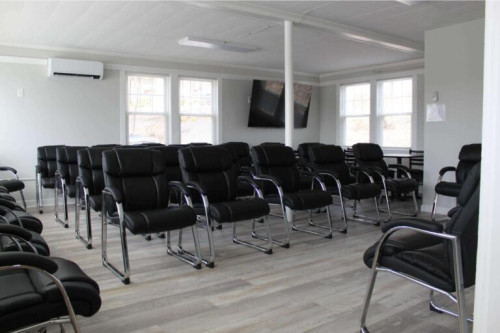
Residents live on-site in private or shared rooms at the Pleasant Street location, following structured daily routines during treatment. Shared spaces include a kitchen and rooms where group sessions take place, supporting daily interaction among residents. Programming includes structured activities such as hiking and bowling, which support participation in community-based routines during recovery.

AT A GLANCE

Center Overview

Location
1015 Pleasant Street, Worcester, MA 01602 View Map
Primary Focus
This center treats substance use disorders and mental health conditions....

Treatment Focus

This center treats substance use disorders and mental health conditions. You'll receive individualized care catered to your unique situation and diagnosis, learn practical skills for recovery, and make new connections in a restorative environment.

Conditions We Treat
Anxiety, Depression
Substance Use We Treat
Alcohol, Co-Occurring Disorders, Drug Addiction
Nexus Recovery Centers logo
nexusrecoverycenters.com
Are you the owner of this center? Claim it
How to pay

Insurance Accepted

Provider's Policy: This center accept insurances, including Medicare and MassHealth. For out-of-network plans, call the center to discuss benefits and payment options tailored to your needs.
(508) 709-3009
Private Pay Option

Cash Pay Rates

Estimated Cash Pay Rate

Center pricing can vary based on program and length of stay. Contact the center for more information. Recovery.com strives for price transparency so you can make an informed decision.

We don't have pricing information for this center. Please contact the center for more information.
Care Options

Levels of Care

Substance use and mental health issues can occur simultaneously or as primary conditions. Effective treatment explores how mental health conditions contribute to addiction, and vice-versa. Many rehabs treat substance use disorders and mental health conditions with personalized care plans.
Detox
Not Offered at This Center
Typically the initial stage of treatment for substance use, focusing on medically supervised management of withdrawal symptoms.
Residential
Residential programs for substance use and mental health with structured care and 24/7 monitoring. Treatment takes place on-site, with behavioral health professionals often providing care in group, individual, and family settings.
Sober Living
Not Offered at This Center
Transitional housing designed to support individuals recovering from substance use disorders offering a safe, supportive and structured environment for practicing long-term sobriety, while reintegrating back into daily living.
Intensive Outpatient Program
An intensive outpatient program (IOP) falls between inpatient care and traditional outpatient services, with therapy and skills-building activities designed to support recovery and provide flexibility. IOP is ideal for those needing support but not the 24/7 care of a residential facility.
Outpatient
Outpatient treatment offers flexible therapeutic and medical care without the need to stay overnight in a hospital or inpatient facility. Outpatient care typically offers a range of therapies and medical interventions individuals can attend alongside daily life.
Virtual & In-Home Care
Not Offered at This Center
The delivery of therapeutic services utilizing technology such as video conferencing, online messaging or phone calls, allowing for flexibility, comfort and increased access to care.
Co-Occurring Disorders
Substance use and mental health can occur simultaneously as co-occurring disorders. Treatment for co-occurring disorders involves therapy and other personalized interventions to address both conditions.
Treatment

Your Care Options

Specializations

Alcohol

Alcohol

Using alcohol as a coping mechanism, or drinking excessively throughout the week, signals an alcohol use disorder.

Co-Occurring Disorders

Co-Occurring Disorders

A person with multiple mental health diagnoses, such as addiction and depression, has co-occurring disorders also called dual diagnosis.

Drug Addiction

Drug Addiction

Drug addiction is the excessive and repetitive use of substances, despite harmful consequences to a person's life, health, and relationships.

Who We Treat

Men
Women
Men and Women

Men and Women

Men and women attend treatment for addiction in a co-ed setting, going to therapy groups together to share experiences, struggles, and successes.

Men Only

Approaches

Evidence-Based

Evidence-Based

A combination of scientifically rooted therapies and treatments make up evidence-based care, defined by their measured and proven results.

Individual Treatment

Individual Treatment

Individual care meets the needs of each patient, using personalized treatment to provide them the most relevant care and greatest chance of success.

Therapies

1-on-1 Counseling

1-on-1 Counseling

Patient and therapist meet 1-on-1 to work through difficult emotions and behavioral challenges in a personal, private setting.

Group Therapy
Life Skills

Life Skills

Teaching life skills like cooking, cleaning, clear communication, and even basic math provides a strong foundation for continued recovery.

Medication-Assisted Treatment

Medication-Assisted Treatment

Combined with behavioral therapy, prescribed medications can enhance treatment by relieving withdrawal symptoms and focus patients on their recovery.

Psychoeducation

Psychoeducation

This method combines treatment with education, teaching patients about different paths toward recovery. This empowers them to make more effective decisions.

Relapse Prevention Counseling

Relapse Prevention Counseling

Relapse prevention counselors teach patients to recognize the signs of relapse and reduce their risk.

Languages

English

Conditions We Treat

Anxiety

Anxiety

Anxiety is a common mental health condition that can include excessive worry, panic attacks, physical tension, and increased blood pressure.

Depression

Depression

Symptoms of depression may include fatigue, a sense of numbness, and loss of interest in activities. This condition can range from mild to severe.

Substances We Treat

Alcohol

Alcohol

Using alcohol as a coping mechanism, or drinking excessively throughout the week, signals an alcohol use disorder.

Co-Occurring Disorders

Co-Occurring Disorders

A person with multiple mental health diagnoses, such as addiction and depression, has co-occurring disorders also called dual diagnosis.

Drug Addiction

Drug Addiction

Drug addiction is the excessive and repetitive use of substances, despite harmful consequences to a person's life, health, and relationships.

Aftercare

Outpatient Treatment
Professional Re-entry Support
Employment Counseling
Experience

Care Designed for Your Needs

Personal Amenities

Air-Conditioned Rooms
Private or Shared Rooms

Special Considerations

Wheelchair Accessible

Off-Site Activities

Bowling
Hiking
Frequently Asked Questions

Further Research

The following therapies are included: group therapy, 1-on-1 counseling and more.
Worcester, Massachusetts, United States.
This center accept insurances, including Medicare and MassHealth. For out-of-network plans, call the center to discuss benefits and payment options tailored to your needs.
Nexus Recovery Centers provides intensive outpatient program, outpatient and more.

Explore More

Easily search by condition, location, and other programs tailored to meet your needs.