Ho'omau Maui
Treatment Focus
Primary Level of Care
Offering intensive care with 24/7 monitoring, residential treatment is typically 30 days and can cover multiple levels of care. Length can range from 14 to 90 days typically.
This provider hasn't verified their profile's information. Are you the owner of this center? Claim your listing to better manage your presence on Recovery.com.
Treatment Focus
Primary Level of Care
Offering intensive care with 24/7 monitoring, residential treatment is typically 30 days and can cover multiple levels of care. Length can range from 14 to 90 days typically.
Private Pay
You pay directly for treatment out of pocket. This approach can offer enhanced privacy and flexibility, without involving insurance. Exact costs vary based on program and length of stay. Contact the center for specific details.
Ho'omau Maui
Ho'omau Maui
About Ho'omau Maui
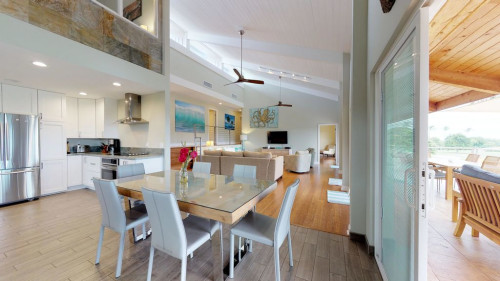
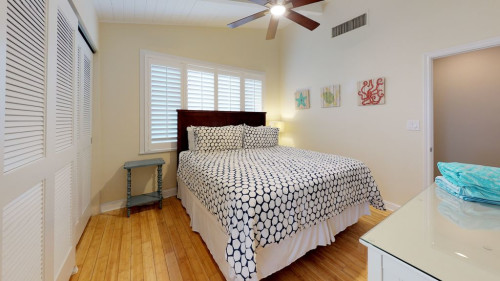
Ho'omau Maui is a one-of-a-kind therapeutic retreat for teenage girls (ages 11–17) . Situated on the gentle jungle slope of Haleakala, a dormant volcano, on the beautiful island of Maui, it’s not your typical wilderness program. Ho’omau Maui combines neurofeedback therapy with adventure therapy to provide a truly pivotal environment for transformation. Guests get to be outdoors every day learning to surf, snorkeling with turtles, and hiking to hidden swimming holes—all while therapists are right there providing support and guidance. Tuition is $560/day with a one-time enrollment fee of $4,300. Other packages are also available.
Pricing and Program Length
Estimated Center Costs
The cost listed here ($25,200+), is an estimate of program cost. Center price can vary based on program and length of stay. Contact the center for more information. Recovery.com strives for price transparency so you can make an informed decision.
Levels of Care
Your Care Options
Specializations
Adolescents
Teens receive the treatment they need for mental health disorders and addiction, with the added support of educational and vocational services.
Depression
Symptoms of depression may include fatigue, a sense of numbness, and loss of interest in activities. This condition can range from mild to severe.
Who We Treat
Adolescents
Teens receive the treatment they need for mental health disorders and addiction, with the added support of educational and vocational services.
Women only
Women attend treatment in a gender-specific facility, with treatment delivered in a safe, nourishing, and supportive environment for greater comfort.
Approaches
Experiential
Expressive tools and therapies help patients process past situations, learn more about themselves, and find healing through action.
One-to-One
Patients work with their treatment team members on a 1-on-1 basis, keeping their journey and treatment fully private and personalized.
One-to-One
Patients work with their treatment team members on a 1-on-1 basis, keeping their journey and treatment fully private and personalized.
Strengths-Based
Providers using a strengths-based philosophy focus on the positive traits of their patients, creating a positive feedback loop that grows confidence.
Strengths-Based
Providers using a strengths-based philosophy focus on the positive traits of their patients, creating a positive feedback loop that grows confidence.
Strengths-Based
Providers using a strengths-based philosophy focus on the positive traits of their patients, creating a positive feedback loop that grows confidence.
Therapies
1-on-1 Counseling
Patient and therapist meet 1-on-1 to work through difficult emotions and behavioral challenges in a personal, private setting.
Adventure Therapy
This experiential approach uses the physical and emotional challenges of outdoor activities as tools for personal growth.
Aromatherapy
Inhaling or topically applying essential oils can help relieve stress, soothe pains, and relieve emotional distress.
Art Therapy
Visual art invites patients to examine the emotions within their work, focusing on the process of creativity and its gentle therapeutic power.
Dance Therapy
This experiential therapy uses dance to improve body awareness, physical health, and social skills.
Experiential Therapy
With this approach, patients heal by doing. Therapists help patients process difficult emotions to speak, using guided activities like art or dance.
Family Therapy
Family therapy addresses group dynamics within a family system, with a focus on improving communication and interrupting unhealthy relationship patterns.
Languages
Conditions We Treat
ADHD, ADD
ADHD is a common mental health condition caused by dopamine imbalance. Common symptoms include inattention, hyperactivitiy, and impulsivity.
Anger
Although anger itself isn't a disorder, it can get out of hand. If this feeling interferes with your relationships and daily functioning, treatment can help.
Bipolar
This mental health condition is characterized by extreme mood swings between depression, mania, and remission.
Codependency
Codependency is a pattern of emotional dependence and controlling behavior. It's most common among people with addicted loved ones.
Depression
Symptoms of depression may include fatigue, a sense of numbness, and loss of interest in activities. This condition can range from mild to severe.
Internet Addiction
Internet addiction is common among children teens. This compulsive disorder can damage relationships, school performance, sleep habits, and physical health.
Personality Disorders
Personality disorders destabilize the way a person thinks, feels, and behaves. If untreated, they can undermine relationships and lead to severe distress.
Post Traumatic Stress Disorder
PTSD is a long-term mental health issue caused by a disturbing event or events. Symptoms include anxiety, dissociation, flashbacks, and intrusive thoughts.
Shopping Addiction
Excessive shopping and spending also known as compulsive buying disorder makes life unsustainable. It puts a strain on finances, relationships, and emotional well-being.
Substances We Treat
Co-Occurring Disorders
A person with multiple mental health diagnoses, such as addiction and depression, has co-occurring disorders also called dual diagnosis.
Aftercare
Care Designed for Your Needs
Personal Amenities
Amenities
Special Considerations
Gender-specific groups
Patients in gender-specific groups gain the opportunity to discuss challenges unique to their gender in a comfortable, safe setting conducive to healing.