Find Treatment By
Rehabs by Location


Learn
About Us
Recovery.com combines independent research with expert guidance on addiction and mental health treatment. Our mission is to help everyone find the best path to recovery through the most comprehensive, helpful network of treatment providers worldwide.
Advisory Council
Our advisory council brings together leaders in behavioral health, technology, and business. Their diverse expertise ensures our resources and product are innovative, evidence-based, and effective. They guide our mission as accomplished individuals dedicated to improving the landscape of addiction recovery and mental wellness.


Chelsea Manor Recovery
Chelsea Manor Recovery
Chelsea Manor Recovery
About Chelsea Manor Recovery
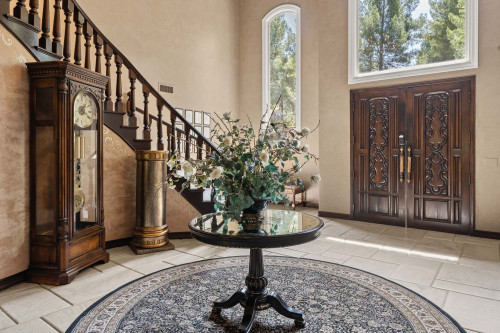
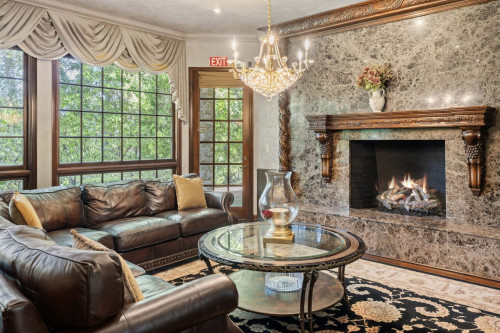
Built around a philosophy of dignity, medical excellence, and highly individualized care, Chelsea Manor Recovery is a small-census residential treatment center in Orange, California, offering medical detox and residential care for addiction and co-occurring mental health conditions. Its estate-style, home-like setting supports a more private and personal experience, with 24/7 medical oversight and close access to physicians, therapists, and clinical staff. Rather than following a one-size-fits-all program, care is shaped around each client’s substance use history, mental health needs, and goals, allowing treatment to evolve as progress is made.
Experience Clinical Care with Personal Attention
Treatment combines medical support, psychotherapy, and restorative wellness in one coordinated residential program. Individual therapy takes place several times each week and may include cognitive behavioral therapy (CBT), dialectical Behavior Therapy (DBT), eye movement desensitization and reprocessing (EMDR), motivational interviewing (MI), trauma-focused care, and Seeking Safety, supported by group therapy, family sessions, psychiatric care, and medication-assisted treatment when appropriate. Beyond formal therapy, practices such as yoga, meditation, breathwork, nutrition support, fitness, and equine therapy add structure to the day and help clients build emotional regulation, physical stability, and healthier responses to triggers.
Recover in a Private, Home-Like Setting
The residential environment is designed to feel calm, comfortable, and discreet rather than institutional. Private rooms are available, including en-suite accommodations, while shared spaces such as a fireplace lounge, private library, wellness studio, gardens, and outdoor gathering areas give clients room to rest between sessions. An in-house chef prepares fresh meals and snacks, with dietary preferences and restrictions accommodated. Daily life balances therapy with movement, reflection, and recreation, including staff-supported gym visits and planned outings such as hiking, bowling, zoo visits, and art classes.
Benefit From Continued Support
Aftercare planning begins during treatment so the transition home is prepared in advance rather than addressed only at discharge. Depending on each client’s needs, the plan may include referrals to an outpatient therapist or psychiatrist, connections to support groups, medication follow-up, sober-living assistance, and a written relapse-prevention strategy. Support can continue through alumni programming as well, which includes ongoing check-ins, events, peer connection, and access to the clinical team. Together, these services help extend the structure of residential treatment into the next stage of everyday recovery.
Center Overview
Supportive Medication for Recovery
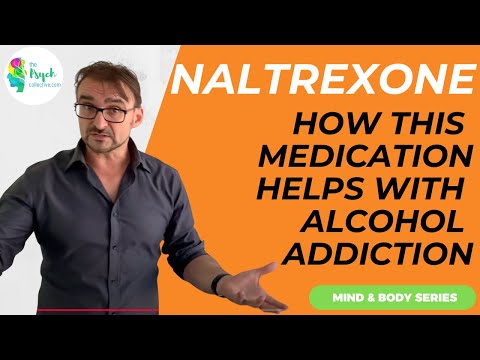
Medication-Assisted Treatment (MAT) is an evidence-based approach that pairs FDA-approved medications with counseling to treat addiction. The medications are used to reduce cravings, ease withdrawal symptoms, or block the effects of substances. More about MAT
Methadone

Naltrexone
Buprenorphine



Note: Treatment centers offer different forms of MAT—such as oral tablets, dissolvable films, or monthly injections—and their policies can vary based on state regulations, provider preferences, and insurance coverage. Because of these differences, it's best to contact the center directly to learn what options are available and what might be right for your situation.
Insurance Accepted













Cash Pay Rates
Levels of Care

