Find Treatment By
Rehabs by Location


Learn
About Us
Recovery.com combines independent research with expert guidance on addiction and mental health treatment. Our mission is to help everyone find the best path to recovery through the most comprehensive, helpful network of treatment providers worldwide.
Advisory Council
Our advisory council brings together leaders in behavioral health, technology, and business. Their diverse expertise ensures our resources and product are innovative, evidence-based, and effective. They guide our mission as accomplished individuals dedicated to improving the landscape of addiction recovery and mental wellness.
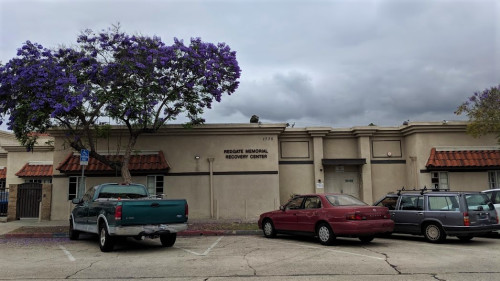
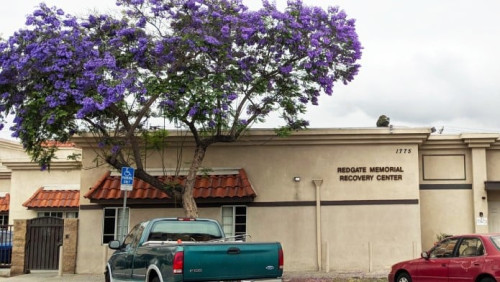
Behavioral Health Services Redgate Memorial Recovery Center
Behavioral Health Services Redgate Memorial Recovery Center
Behavioral Health Services Redgate Memorial Recovery Center
About Behavioral Health Services Redgate Memorial Recovery Center
The Redgate Memorial Recovery Center, run by Behavioral Health Services, Inc., treats adults and young adults with substance use and co-occurring mental health disorders. They offer medical detox, inpatient, and long-term residential care, typically lasting 10 days to 6 months. Known for serving underserved communities, Redgate focuses on accessible, structured treatment.
Learn Tools that Support Lasting Success
Redgate uses approaches like cognitive behavioral therapy (CBT), trauma-informed counseling, and 12-step facilitation. Clients receive individual, group, and family therapy, along with life skills training in stress management, wellness, and relapse prevention. When needed, medication-assisted treatment (MAT) helps ease withdrawal and support sobriety. This approach builds long-term recovery skills and helps clients successfully return to daily life.
Feel at Home with Structured Support
Clients live in a structured setting with 24/7 care during detox and recovery. While room details vary, clients have indoor and outdoor access, a patio area, and nutritious meals. Redgate accepts Medicaid, private insurance, and sliding-scale fees. They also assist with transportation, helping clients from different backgrounds access treatment in a safe, supportive environment.
Center Overview
Supportive Medication for Recovery
Medication-Assisted Treatment (MAT) is an evidence-based approach that pairs FDA-approved medications with counseling to treat addiction. The medications are used to reduce cravings, ease withdrawal symptoms, or block the effects of substances. More about MAT
Methadone

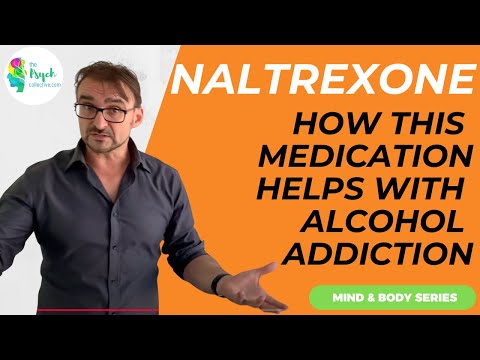
Naltrexone
Buprenorphine



Note: Treatment centers offer different forms of MAT—such as oral tablets, dissolvable films, or monthly injections—and their policies can vary based on state regulations, provider preferences, and insurance coverage. Because of these differences, it's best to contact the center directly to learn what options are available and what might be right for your situation.
Insurance Accepted

Cash Pay Rates
Levels of Care

